

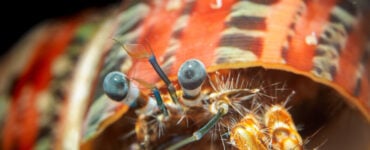
Global Scale Findings: A forthcoming publication in the journal Science of the Total Environment reveals a concerning trend among land-dwelling hermit crabs. A comprehensive global analysis, encompassing both online photographs and scientific literature, highlights that these crabs are increasingly occupying refuse materials as makeshift homes.
- Materials: Predominantly, they are opting for plastic caps (approximately 85%) with metal and glass as less common alternatives.
- Species Impact: This phenomenon was observed across 10 out of 16 species in tropical zones stretching from Africa to Central America.
- Usage Reasons: The misappropriation of debris could be due to:
- Improved concealment against a backdrop marred by pollution.
- A scarcity of natural snail shells compared to abundant litter.
- Potential advantages in mating rituals.
- Lighter weight of artificial shells.
- Attraction to odors released by plastics.
Plastic Dangers: The lure of plastics poses credible risks; for example, over half a million hermit crabs on the remote Cocos (Keeling) Islands succumbed after getting trapped in plastic bottles and similar refuse.
Hermit Crab Biology: Unlike their relatives with hardened shells, hermit crabs possess soft exteriors and rely on discarded snail shells for protection. As they grow, they must seek larger shells, a task complicated by the prevalence of waste.
Environmental Implications:
- Evolutionary Impact: There is speculation that the use of artificial shells may herald a shift in the evolution of these crabs.
- Ecological Consequences: However, it also raises concerns about whether this adaptation is beneficial or a detrimental “ecological and evolutionary trap” specific to this era.
Human Factor:
- Marine Debris: The issue is linked directly to human-generated waste that infiltrates marine habitats.
- Anthropocene Influence: This situates hermit crabs at a crossroads of potentially adapting to humanity’s environmental footprint.
Conservation Efforts:
- Investigating these adaptive behaviors underlines the urgent need for policy and behavioral changes to reduce marine pollution.
- Actions such as international treaties and improved waste management can play crucial roles in safeguarding marine ecosystems and their inhabitants.



Add comment