

The demise of a submarine is a haunting event, often resulting from catastrophic failure under extreme pressure. Submarine implosions occur when the structural integrity of a vessel’s pressure hull succumbs to the crushing forces of external pressure, frequently found in the unforgiving environment of the deep sea. When a submarine exceeds its crush depth, the pressure outside the hull becomes too great for its design to withstand, leading to a rapid and often devastating collapse. The physics of this process are brutal and unforgiving; as depth increases, pressure rises exponentially, challenging the submarine’s capacity to protect those within.
History has witnessed several such events, deeply embedded in maritime lore, underscoring the inherent risks submariners face while operating in one of the planet’s most inhospitable places. The engineering designed to create the pressure hull—a submarine’s critical defense against external forces—is a marvel of modern technology, yet it is not infallible. In exploring these dark chapters of naval history, one gains an appreciation for the intricate balance of design, human endurance, and the relentless pressure exerted by the ocean’s depths.
These implosions are not merely mechanical failures but also tragic human events. The loss of lives serves as somber reminders of the ocean’s might and the perilous nature of underwater navigation. As technology advances, today’s submarines are a testament to innovation aimed at preventing such disasters, even as they venture into increasingly deeper sections of the sea. The ocean’s pressures remain an unyielding force, one that can bring the most robust of vessels to ruin should they tread too far into its depths.
Historical Overview of Submarine Implosions
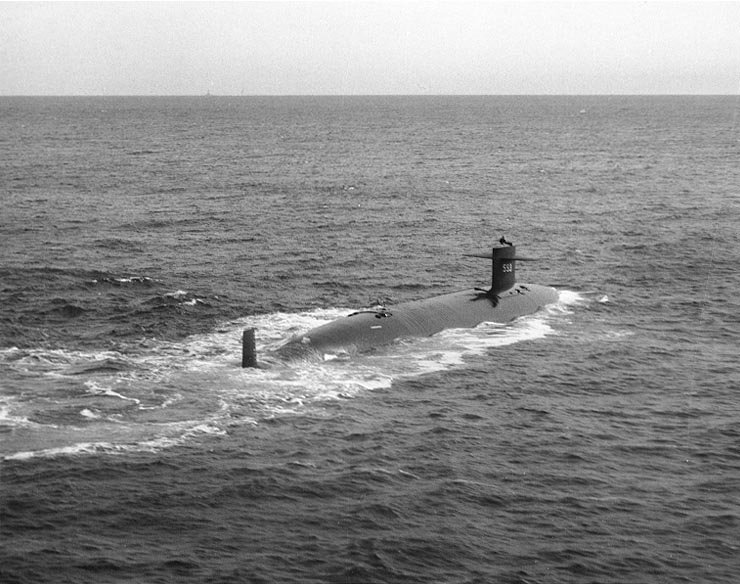
Submarine implosions are among the most catastrophic events in naval history. They provide a stark reminder of the dangers lurking in the depths of the oceans.
Early Submarine Disasters
One of the earliest recorded submarine disasters was the loss of the USS Thresher in 1963. It was one of the first nuclear submarines, and its implosion marked a turning point in the understanding of submarine safety. The incident led to the implementation of the SUBSAFE program by the United States to ensure that such a tragedy would not recur.
The Cold War Era
During the tense period of the Cold War, the risk of submarine implosions remained ever-present. Both U.S. and Russian fleets pushed the limits of submarine technology, occasionally with dire results. Not all incidents have been disclosed due to the secretive nature of military operations during this time, but some, such as the loss of Soviet submarines like the K-219 in 1986, have been acknowledged.
Contemporary Incidents
More recently, in 2000, the K-141 Kursk, a Russian Navy submarine, suffered a catastrophic internal explosion and sank in the Barents Sea. This incident again underscored the relentless hazards of underwater naval operations. The international community continues to monitor and learn from such disasters to enhance the safety protocols in submarine design and operation.
Technical Aspects of Submarine Design

Submarine design requires a meticulous approach to ensure safety and functionality under extreme underwater pressures. Advancements in materials and technology have led to innovations aimed at preventing submarine accidents.
Pressure Hull Design
The pressure hull is a critical element of submarine design, constructed to withstand the immense pressures of deep-sea environments. Traditional construction materials include high-tensile steel or titanium, with newer hulls sometimes utilizing lighter, stronger composite materials. The shape is typically cylindrical with hemispherical or conical ends, which allows for even distribution of external pressure and reduces the risk of implosions. Thicker hulls can descend deeper, but they increase weight and decrease internal volume, presenting a trade-off that designers must carefully balance.
Subsafe Program Innovations
Initiated in response to the USS Thresher disaster, the Subsafe program implements rigorous standards to enhance the safety of the U.S. Navy’s submarine fleet. Key aspects include stringent quality assurance processes during the design, construction, and maintenance phases. For example, the use of specially treated material to protect critical systems and the inclusion of escape mechanisms are direct outcomes of the Subsafe program initiatives. The program’s primary aim is to ensure that submarines can recover from flooding and have systems that are resilient to failing under pressure, contributing significantly to preventing potential submarine accidents.
Notable Submarine Implosion Events

The loss of a submarine is a catastrophic event often involving the loss of life and complex recovery operations. Distinct in their causes and context, several implosions stand out in maritime history.
USS Thresher Disaster
On April 10, 1963, the USS Thresher, a nuclear-powered attack submarine, was conducting deep-diving tests off the coast of Massachusetts when it suffered a catastrophic implosion. The incident resulted in the tragic loss of all 129 crew and civilian technicians aboard. The disaster was linked to a failure in the submarine’s piping system, which led to a loss of power and the inability to resurface. Flooding and system failures contributed to the rapid descent and crushing pressures that ultimately led to the vessel’s implosion. For more detailed insights, consult “The death of the USS Thresher: The story behind history’s deadliest submarine disaster”.
Kursk Submarine Tragedy
The Kursk submarine tragedy occurred on August 12, 2000, when the Russian nuclear-powered submarine K-141 Kursk sank to the bottom of the Barents Sea during a naval exercise, leading to the death of all 118 crew members on board. Initial underwater explosions — only seconds apart — were heard, leading experts to suggest that a torpedo malfunction may have been the case. The vessel suffered severe damage that prompted a sequence of failure events, ending with a significant internal explosion and subsequent implosion as the pressure hull gave way to the immense ocean pressure.
KRI Nanggala-402 Incident
In a more recent occurrence, the KRI Nanggala-402, an Indonesian submarine, was reported missing on April 21, 2021. The submarine was conducting a torpedo drill in the Bali Sea when it lost contact. After an intensive search, the submarine was found split into three parts at a depth of over 800 meters, well beyond its collapse depth. All 53 crew members were confirmed deceased. Evidence suggested that the submarine may have experienced a loss of control which led to a descent into deeper waters, culminating in an implosion due to the water pressure at the significant depth. The tragedy underlined the inherent risks submarines face while operating at great depths.
The Role of Human Error and Mechanical Malfunction

Submarine disasters often stem from a complex interaction of human error and mechanical malfunction, leading to catastrophic piping and valve failures, as well as compromised crew responses due to insufficient training or decision-making under duress.
Piping and Valve Failures
In several historical submarine incidents, piping failure has been a critical factor. Mechanical malfunction in submarine piping systems, which are responsible for maintaining pressure and ensuring the integrity of the vessel’s inner workings, can result in an immediate and dramatic increase in internal pressure. This, in turn, may cause implosion, one of the most feared events for submarines operating at depth. For instance, deficiencies in maintenance and faulty valve assemblies have led to onboard flooding and loss of buoyancy control, contributing to personnel casualties.
Crew Training and Response
Effective crew training can be the deciding factor between safety and disaster. However, in the face of a mechanical malfunction, even highly trained crew members may struggle to respond appropriately. A lag in diagnosing the issue, miscommunication among team members, or failure to follow emergency protocols can exacerbate an already dire situation. Each crew member plays a pivotal role in managing emergencies, and shortcomings in training or judgment can have irreversible consequences.
Physiological Effects of Submarine Implosions

Submarine implosions, catastrophic events caused by external pressure exceeding the submarine’s hull integrity, can have severe physiological effects on the crew inside. These effects arise due to the sudden compression of surrounding water against the pressure hull, which compromises the submarine’s structural integrity and can lead to a swift collapse.
Suffocation becomes an immediate threat as the implosion can disrupt the air supply. The rapid compression may also cause a sharp increase in air pressure inside the submarine, leading to barotrauma—physical damage to body tissues caused by a difference in pressure between an air space inside or beside the body and the surrounding fluid.
In some cases, the destruction of the pressure hull can expose sailors to hypothermia, a dangerous drop in body temperature. This occurs when the cold water of the ocean floods the interior following a breach caused by the implosion.
| Physiological Effect | Mechanism | Consequence |
|---|---|---|
| Suffocation | Disruption of air supply | Fatal |
| Barotrauma | Rapid pressure change | Physical Injury |
| Hypothermia | Exposure to cold water | Fatal if untreated |
The death toll resulting from submarine implosions can be high, as rescue operations may not be feasible due to the typically rapid sinking that follows an implosion and the extreme water pressure at those depths. Escape or survival is unlikely under these circumstances, and the event can tragically result in the loss of all hands onboard.
In addressing submarine safety, engineers focus intently on preventing such catastrophic failures by designing vessels that can withstand the enormous pressures of ocean depths, ensuring the crew’s safety from the physiological horrors of an undersea implosion.
Search, Rescue, and Recovery Operations

Following a submarine implosion, search, rescue, and recovery operations are critical undertakings tasked with locating any surviving crew and retrieving as much as possible from the wreckage. These operations often involve a coordinated effort between various entities, including the U.S. Coast Guard, NATO, and dedicated submarine rescue ships.
Immediate Aftermath
In the immediate aftermath of a submarine implosion, search and rescue missions are deployed as quickly as possible. Time is of the essence, and this phase focuses on identifying the location of the sunken vessel and any potential survivors. The U.S. Coast Guard is frequently among the first responders, utilizing their expertise and assets to scour the area. They are often aided by NATO allies in the region, especially in international waters or during joint operational activities. The use of advanced sonar and underwater robotics plays a crucial role in this phase, intending to find signs of life and assess the situation in the deep-sea environment.
Long-term Search Efforts
As the window for potential survivor recovery closes, long-term search efforts transition to focus on the recovery of the submarine’s remains. Specialized submarine rescue ships equipped with deep-sea capabilities are dispatched to the site. These vessels are tasked with the daunting job of navigating treacherous underwater terrain to recover critical pieces of the submersible and any personal remains of the crew. These efforts provide closure to families and can also offer valuable insights into the causes of the disaster, which is pivotal for future submarine safety measures.
Impact on Naval Policies and Safety Measures

The catastrophic nature of submarine implosions has led to rigorous reviews and the adaptation of stringent safety measures within naval circles. These incidents have not only reshaped thinking about submarine construction and maintenance but also fostered international protocols to safeguard the lives of submariners and the integrity of the marine environment.
Implementation of the Subsafe Program
In the wake of the USS Thresher disaster, the United States Navy instigated the Subsafe program, an initiative designed to ensure the structural integrity of submarines and avert similar calamities. This quality assurance measure is mandatory for all submarines to ensure that safety is not compromised at any level of construction, overhaul, or repair. Incidents like the Thresher have emphasized the gravitas of continual oversight over the fleet’s most vulnerable assets.
- Subsafe implementation timeline:
- Initiated: Shortly after the USS Thresher disaster in 1963
- Outcome: Zero Subsafe-certified submarines lost since inception
The Subsafe program’s lessons learned have been pivotal in redefining naval safety and enforcing a culture of unremitting safety checks, thus protecting human lives and ensuring operational readiness.
International Cooperation
The implications of submarine disasters extend beyond national borders, necessitating a collaborative international effort. Sharing knowledge of naval safety practices and submarine rescue techniques strengthens both individual navies and global maritime security.
- Key aspects of cooperation:
- Sharing best practices and lessons learned regarding submarine safety
- Joint exercises to synchronize international maritime practices
This collaborative approach has led to the adoption of compatible safety protocols and has made significant strides in enhancing the Subsafe principles across international waters. The security and efficiency improvements are benefits that all seafaring nations recognize and continue to work towards together.
Cultural and Social Repercussions

The cataclysmic events of submarine implosions reverberate through naval tradition and public consciousness, transforming collective memory and shaping the ways in which societies honor the fallen and recall historical tragedies.
Naval Tradition and Morale
The implosion of a submarine is more than a maritime disaster; it ripples through the fabric of naval tradition. Naval ceremonies and rituals often evolve to incorporate remembrances for these calamities, affecting the morale of serving crew members. Periods following such incidents typically see intensified focus on safety protocols and a solemn re-dedication to the values of duty and sacrifice inherent in naval culture.
Collective Memory and Memorialization
Whereas naval tradition sustains the moral fiber of the service, the public externalizes grief through memorialization. Monuments and museums are dedicated to giving tragedy a spatial and temporal context, facilitating public reflection and understanding. The narratives formed around these tragedies often influence public perception and result in lasting historical narratives, as identified in a study on the impact of World War II underwater cultural heritage in the Pacific. This process not only honors the lost but also provides a touchstone for discussing broader historical impact and tragedy associated with wartime losses.
Add comment