
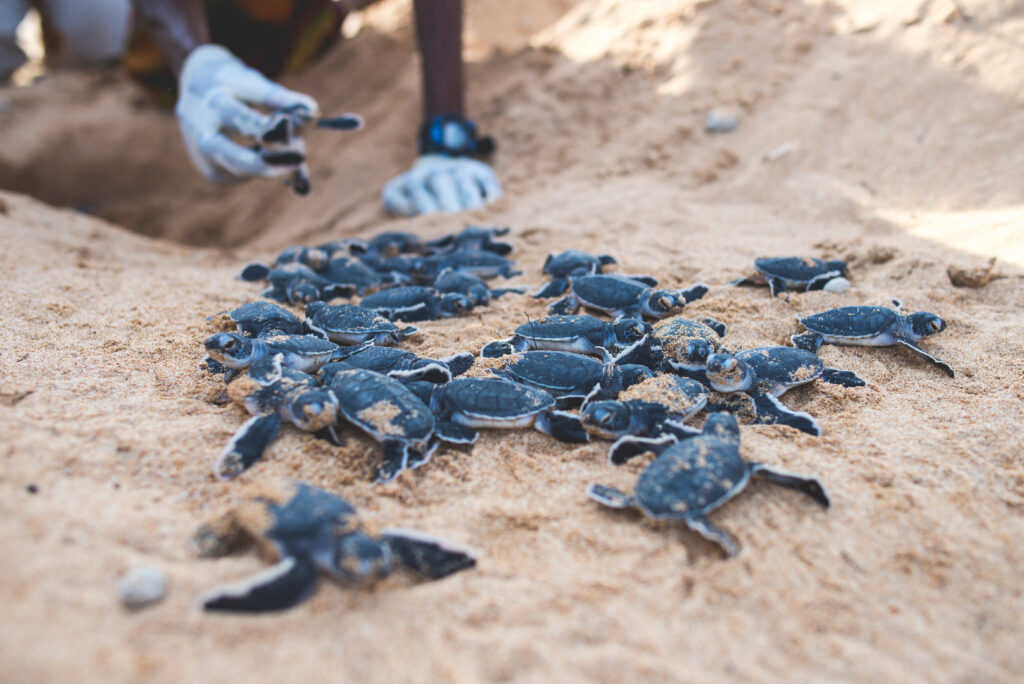
Conservation efforts in Costa Rica have recently made significant progress, emphasizing the nation’s steadfast dedication to protecting marine life. The National Coast Guard has played a pivotal role in these endeavors by safeguarding baby sea turtles. A commendable instance of their commitment saw the successful liberation of 446 hatchlings back into their natural ocean habitat, following the interception of illegal activities that targeted 736 eggs.
Costa Rica’s diverse ecosystems are home to a majority of sea turtle species—five out of the world’s seven. These species are up against immense odds, with only one out of a thousand eggs reaching maturity. Survival for baby sea turtles is a gauntlet with numerous predators on land and at sea, though this threat abates significantly once they become adults around 30 years of age.
Despite legal protections for these creatures, the poaching of turtles for their perceived culinary value continues, posing a considerable risk to their population. Furthermore, climate change exacerbates the plight of sea turtles, with rising temperatures and sea levels leading to the destruction of nests and the disruption of established migration patterns. The increasing temperatures also skew the sex ratio of turtles, with a higher number of females being born due to temperature-dependent sex determination.
The reverberations of climate change are not isolated to sea turtles; entire aquatic systems feel the strain. From fish suffering in oxygen-depleted waters to the rampant bleaching of coral reefs, warming oceans present a multifaceted crisis.
Nonetheless, the importance of preserving these ancient mariners cannot be overstated. For over 100 million years, sea turtles have played a critical role in marine ecosystems. Through activities such as grazing on seagrass, they have contributed to the natural sequestration of carbon, providing a service that extends well beyond their habitats.
The conservation and protection of this endangered species is a shared responsibility that commands attention and action—not only from a biodiversity standpoint but also for the broader health of our planet. Enthusiastic public sentiment echoes this urgency with voices from the global community rallying for the freedom and survival of these captivating and vital marine creatures.


Add comment