
Hawaii, known for its beautiful tropical climate and breathtaking landscapes, is also home to a diverse range of wildlife. While most of the creatures in this paradise are harmless, some dangerous animals also inhabit the islands, posing potential risks to both locals and tourists.
The unique ecosystems of Hawaii support various species, some of which have been introduced to the islands over time. It is crucial for visitors and residents alike to be aware of these dangerous animals to further preserve the delicate balance within Hawaii’s environment and ensure everyone’s safety.
Venomous Creatures and Their Threats

Hawaii is known for its beautiful landscapes and pristine beaches, but it is also home to several dangerous animals with venomous bites or stings. The native wildlife and the creatures that have made their way to the islands pose potential hazards to humans. In this section, we will explore the threats from both marine and land-based venomous creatures.
Marine Hazards
Hawaiian waters, like the broader Pacific Ocean, have an abundance of venomous marine creatures that can inflict painful and sometimes life-threatening injuries. One of the most dangerous animals in Hawaii is the box jellyfish, whose venomous stings can lead to symptoms such as swelling, nausea, vomiting, and even anaphylactic shock in severe cases. Fatalities are rare but have been reported. Locals and visitors alike must exercise caution when swimming, fish, diving in the Pacific Ocean near Hawaii, or strolling on the beaches.
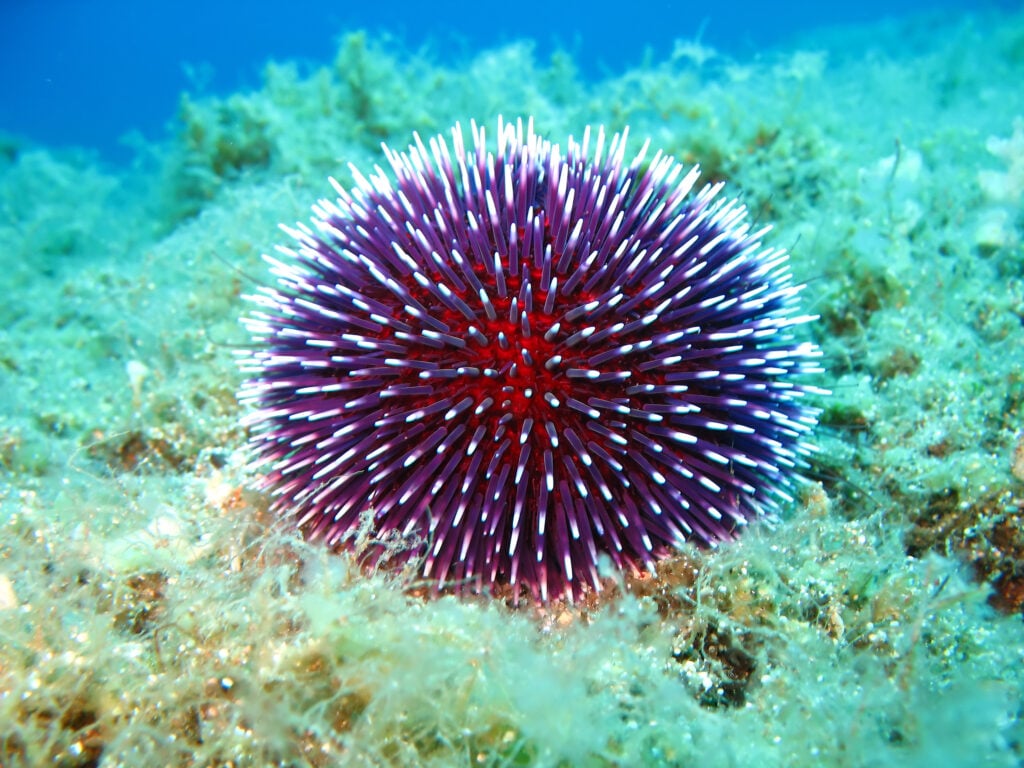
Other dangerous marine creatures that reside in Hawaiian waters include various sea urchins, whose sharp spines can cause intense discomfort if stepped on or brushed against. Stingrays are another potential hazard that is easily camouflaged on the ocean floor. Stepping on their stingers can lead to severe pain and, in rare cases, fatalities.
Land-Based Arachnids and Insects
Dangerous venomous creatures can be found on land as well. In Hawaii, there are several species of venomous spiders that can cause painful bites, swelling, and occasionally serious complications. Examples of prevalent venomous arachnids in Hawaii are the brown recluse spider, black widow spider, and brown widow spider. Their bites can cause symptoms such as localized pain, numbness, swelling, nausea, and vomiting. It is essential to seek prompt medical attention if bitten by any of these dangerous spiders.
In addition to spiders, Hawaii is home to venomous centipedes and scorpions that may pose a threat to humans. Centipedes’ bites can be painful and cause swelling and redness but are rarely fatal. However, severe cases can lead to anaphylactic shock and other complications for those with allergies or sensitivities to the venom.
Remember to stay vigilant and exercise caution when encountering these venomous creatures in Hawaii, whether on land or in the water. By respecting their habitats and taking necessary precautions, the risk of dangerous encounters can be minimized.
Aquatic Predators and Risks

Hawaii, located in the Pacific Ocean, is home to various marine animals, including some potentially dangerous predators. In this section, we will discuss the risks associated with aquatic predators found in Hawaiian waters.
Shark Encounters
Sharks are among the most well-known dangerous animals in Hawaii. Although shark attacks are rare, some species, such as tiger sharks, great white sharks, and bull sharks, can exhibit aggressive behavior towards humans. Surfers and swimmers should be aware of their surroundings and take necessary precautions when in the water.
- Tiger Sharks are responsible for a significant number of shark attacks in Hawaii. Their sharp teeth and strong bite make them formidable predators.
- Great White Sharks are less common in Hawaiian waters but are known to migrate into the area. As one of the ocean’s most powerful predators, they must not be underestimated.
- Bull Sharks thrive in both saltwater and freshwater environments, making them one of the most dangerous shark species. Their adaptability and aggressive nature put swimmers and surfers at potential risk.
Hidden Dangers in the Water
There are several lesser-known venomous and dangerous marine animals present in the Hawaiian coast. Some of these creatures are camouflaged, resulting in potential accidental encounters that can cause harm to humans.
- Cone Snails possess a venomous sting capable of causing pain, injury or, in some cases, death. These small marine gastropods lurk on rocky shorelines and coral reefs, hidden in plain sight.
- Stonefish are well-camouflaged creatures found on the ocean floor. Stepping on one can cause a painful and venomous sting, potentially leading to severe damage or even death if left untreated.
- Moray Eels hide in crevices, awaiting their prey. While they typically avoid humans, accidental encounters can result in bites from their sharp teeth. Though not venomous, the bites may cause mild to severe discomfort.
- Sea Snakes, such as the Yellow-bellied Sea Snake, occasionally drift to Hawaii’s shores carried by ocean currents. Though their presence is rare, their venomous bite can be fatal if not treated promptly.
By being aware of these aquatic predators and taking appropriate precautions, one can safely enjoy Hawaii’s diverse underwater landscape.
Terrestrial Threats on Land
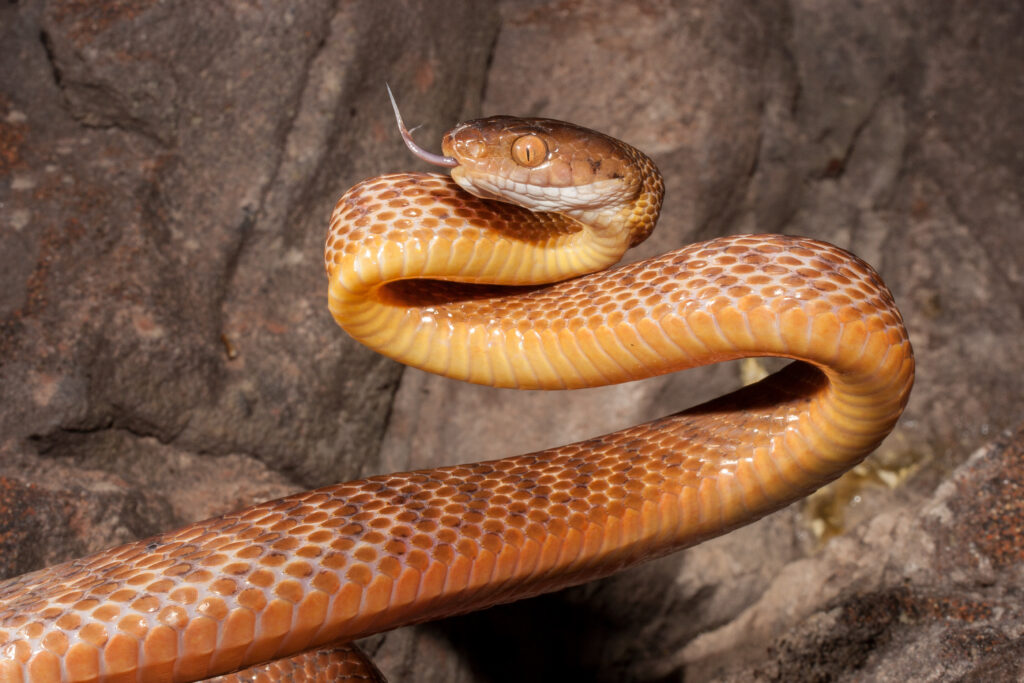
Although Hawaii is known for its unique biodiversity and scenery, the presence of some dangerous and aggressive animals pose threats not only to the local ecosystem but also to humans. The brown tree snake has become a major concern as its introduction and establishment in the islands could potentially cause massive ecological and economical damage^[1^]. This non-native species is especially deadly to native birds and is responsible for major declines in bird populations where it has been introduced.
Hawaii is home to several native species of snakes, but they are not considered dangerous to humans. However, the illegal introduction and release of non-native species pose a significant risk to the fragile ecosystem. The hawaiian hoary bat, the only native terrestrial mammal in the islands, is considered rare and facing numerous threats, including habitat loss and introduced species.
In addition to snake concerns, Hawaii is also home to a handful of large, wild animals that can pose a threat to native species and humans. Here is a brief list of some significant threats:
- Feral pigs: These animals can be aggressive and cause damage to native vegetation, as well as spread diseases.
- Mongoose: Introduced to control rat populations, mongoose now prey on native bird eggs and hatchlings, contributing to the decline of many bird species.
- Rats: Rats are a major threat to native fauna, preying on bird eggs, nestlings, and even adult birds, as well as causing damage to agriculture and forest systems.
The Hawaiian monk seal, one of the rarest marine mammals in the world, faces threats not only from the ocean but also on land. These threats include predation by dogs (introduced by humans) and disturbance from tourists, with some cases even resulting in mortality. The Conservation status of native terrestrial invertebrates in Hawaii report acknowledges the struggle of managing these invasive species and their impact on the native fauna.
To protect Hawaii’s delicate ecosystem, it is essential to monitor and control the introduction and spread of non-native species. Early detection and rapid response are crucial for the preservation of Hawaii’s native wildlife and their habitats.



Add comment