
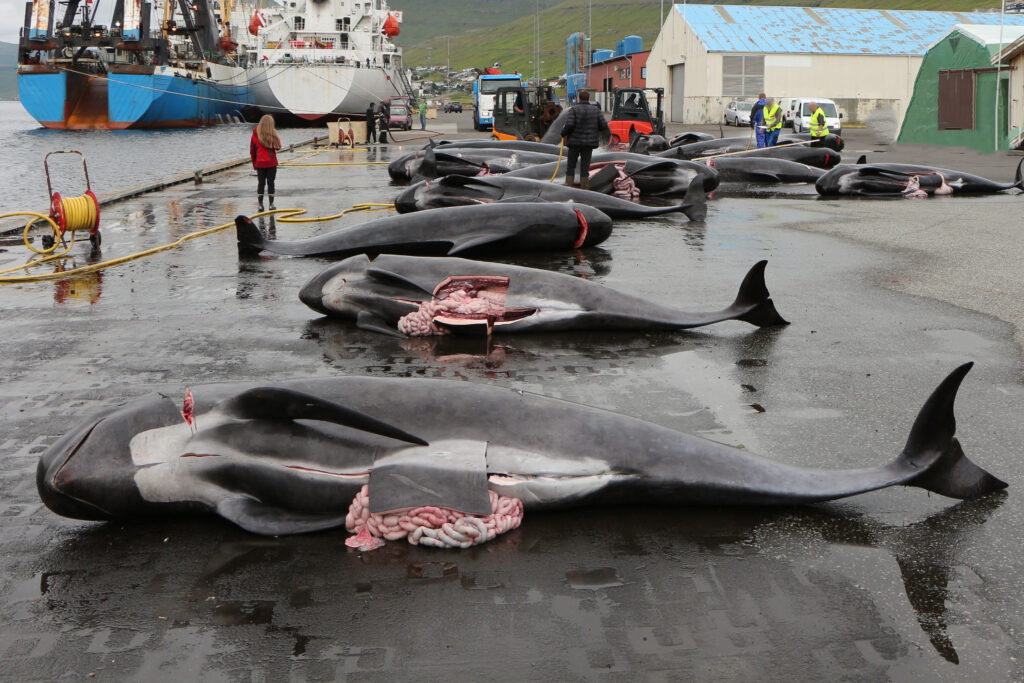
Whale hunting in the Faroe Islands is a practice with deep historical roots, tracing back to the Norse settlements on these remote islands. The tradition, known as the grindadráp or pilot whale hunt, involves the communal herding and beaching of whales, primarily the pilot whales, which are then killed for their meat and blubber. As a vital part of Faroese culture, this hunting practice is considered by many islanders as a sustainable method of harvesting food in a region with limited agricultural capability.
The topic of whale hunting in the Faroe Islands, however, is shrouded in controversy. International environmental and animal rights groups strongly oppose the grindadráp, highlighting the brutality of the slaughter and raising concerns about animal welfare, the sustainability of whale populations, and the health implications of consuming whale meat. These concerns often clash with the Faroese perspective on cultural heritage and the practicality of living in an isolated community with scarce resources.
Debate over the grindadráp has shown little sign of easing, as both sides stand firm in their convictions. The Faroese defend the tradition as a communal activity steeped in their history, while critics continue to campaign for its end, bringing global attention to the practices on these islands. As the world becomes more interconnected, and with scrutiny over the practice intensifying, the future of whale hunting in the Faroe Islands remains uncertain, leaving the community and observers alike to ponder the cultural significance and ramifications of maintaining such a custom.
Historical and Cultural Context
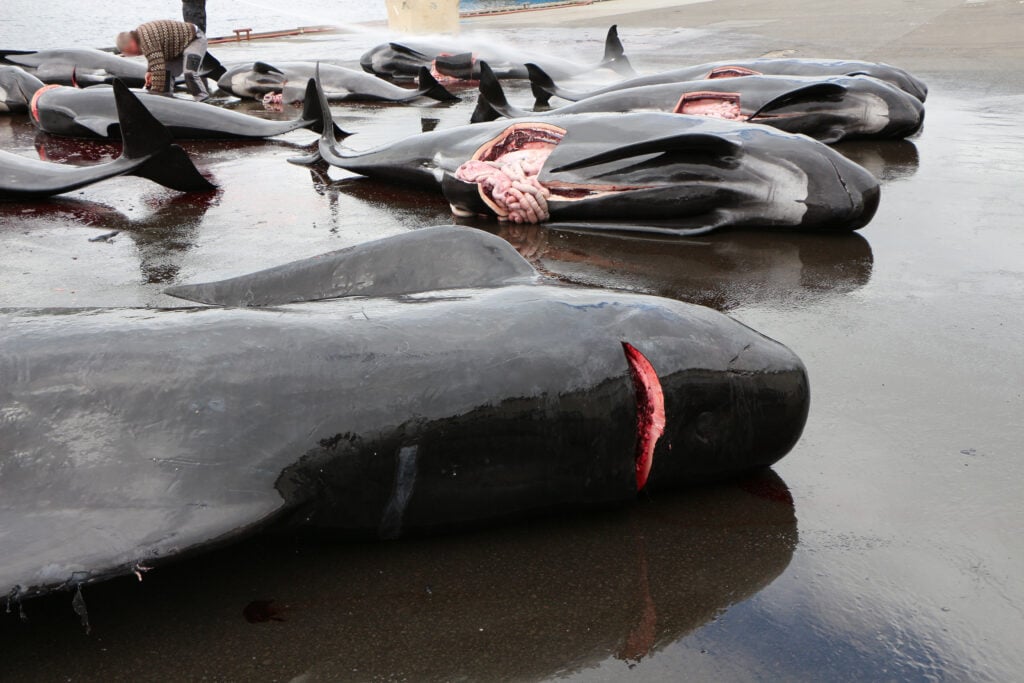
The Faroe Islands have a longstanding tradition of pilot whale hunting, which is deeply interwoven into the fabric of the local culture, shaping both community practices and cultural identity.
Tradition of Grindadráp
The Grindadráp is an age-old practice in the Faroe Islands, dating back to the sixteenth century. It refers to the communal pilot whale drive which has been a significant part of the Faroese way of life. This method involves herding and beaching pilot whales, after which they are harvested for their meat and blubber. The practice is examined for its socio-cultural viability, highlighting its importance and sustainability from a local perspective.
Role in Faroese Culture
Whaling is not just a means to obtain resources but is also a pivotal aspect of cultural identity in the Faroe Islands. It fosters a strong sense of community and participation, with the events often involving entire villages. The meat and blubber from the whales have traditionally contributed to the Faroese diet, signifying its role beyond mere tradition but as a necessity in the challenging North Atlantic environment. While the practice has attracted global controversy, it remains a legally regulated activity that many islanders defend as an element of their cultural tradition.
Conservation and Ethics
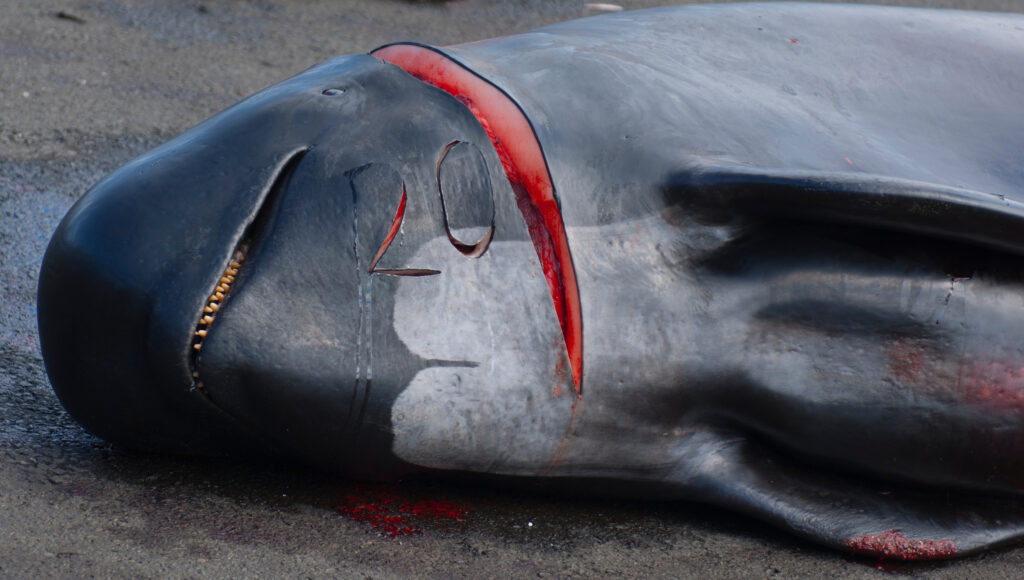
The practice of whale hunting in the Faroe Islands continues to evoke intense debate among conservationists, animal rights groups, and regulatory bodies, balancing cultural traditions against conservation efforts and animal welfare concerns.
Conservationists’ Concerns
Conservationists argue that whale hunting in the Faroe Islands impacts marine biodiversity and disrupts marine ecosystems. They emphasize that while Faroese whaling is not commercial but rather a tradition, it still raises questions about the sustainability of whale populations. Sustainable conservation of cetaceans is a key focus for groups like the North Atlantic Marine Mammal Commission.
Hunting Techniques and Animal Welfare
Animal rights groups express strong objections to the whaling techniques used in the Faroe Islands. They assert that the methods inflict undue suffering on the pilot whales, and these practices do not meet modern animal welfare standards. They campaign for a reassessment of traditional hunting methods to ensure more humane treatment of the whales.
Role of International Bodies
The European Union (EU) maintains stringent regulations concerning whale hunting, whereas the Faroe Islands, while not a part of the EU, frequently navigate complex interactions with it and other international bodies on these issues. These organizations provide frameworks aimed at protecting species and encourage sustainable practices, often serving as referees in balancing the rights and traditions of local populations with global conservation efforts.






Add comment