

During the winter months in Maui, the aquatic environment comes alive with the sound of humpback whale songs. These musical displays are not merely for human enjoyment but play a crucial role in the breeding rituals of these magnificent marine mammals. Researchers have observed a distinct daily rhythm to these vocal behaviors. Each day, whales progressively distance their singing from the shoreline, only to return as the sun sets. This movement is thought to be a strategic behavior to enhance the effectiveness of their acoustic signaling.
The study, conducted by a collaborative team, including specialists from the University of Hawaii and the Hawaiian Islands Humpback Whale National Marine Sanctuary, focuses on understanding this unique pattern. It suggests that by moving further offshore, whales might avoid the noise interference from the dense nearshore population during sunlight hours, which may otherwise mask their songs.
As evening approaches, the whales shift back towards the coast, possibly to sidestep the clamorous chorus of offshore marine life. This finding adds a new dimension to our understanding of humpback whale vocal behavior, encapsulating a struggle against natural noise pollution—a factor until now less considered in contrast to human-made disturbances.
Technological Contributions to Marine Research
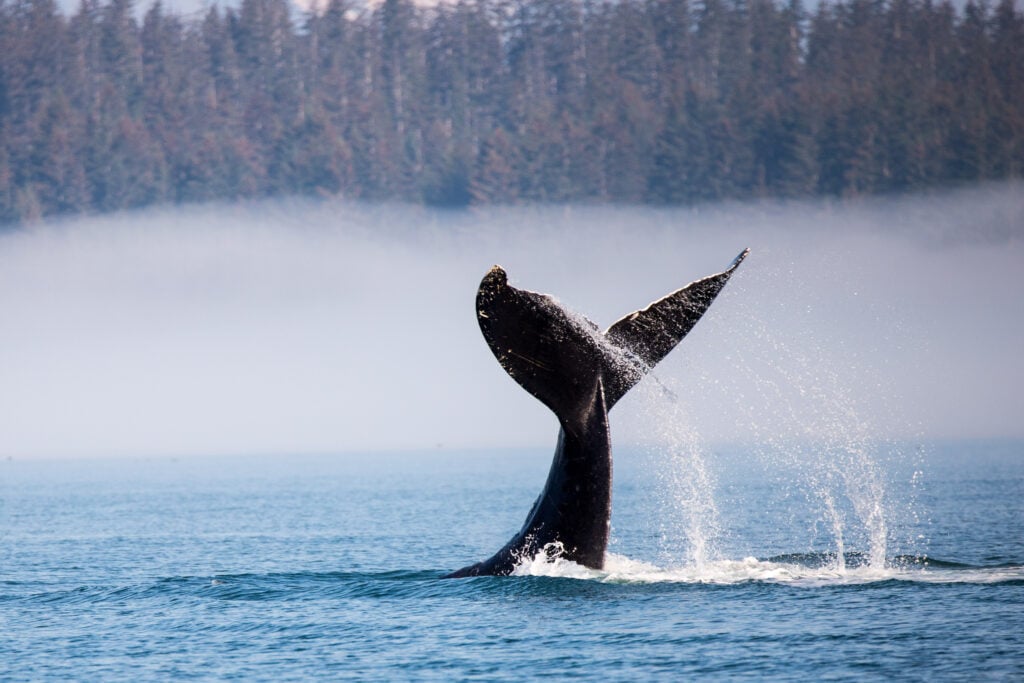
Employing state-of-the-art acoustic sensors and meticulous visual surveys, the investigation delves into the intricate details of humpback whale movements in Hawaii’s breeding grounds. The innovative approach makes groundbreaking strides in tracking and comprehending the daily patterns of whale singing, shedding light on their spacing, movements, and vocal intensity.
Implications for Conservation Efforts

Understanding these patterns is crucial not just for scientific knowledge but also for the conservation and stewardship (kuleana) of the humpback whale population. The ongoing research is instrumental in informing sanctuary management plans to persist in safeguarding the humpback whales’ natural habitats.
Contributions to Science and Ecology

The implications of this research, which was shared in Royal Society Open Science, reach beyond mere observation. It provides insights into the complex adaptations marine mammals employ to ensure the effectiveness of their communication, a testament to the intricate balance within their ecosystems. The study is also distinct in its integration of visual and acoustic data to offer a comprehensive view of humpback whale behavior, a technique that may propel further scientific inquiry.
Interdisciplinary Collaboration
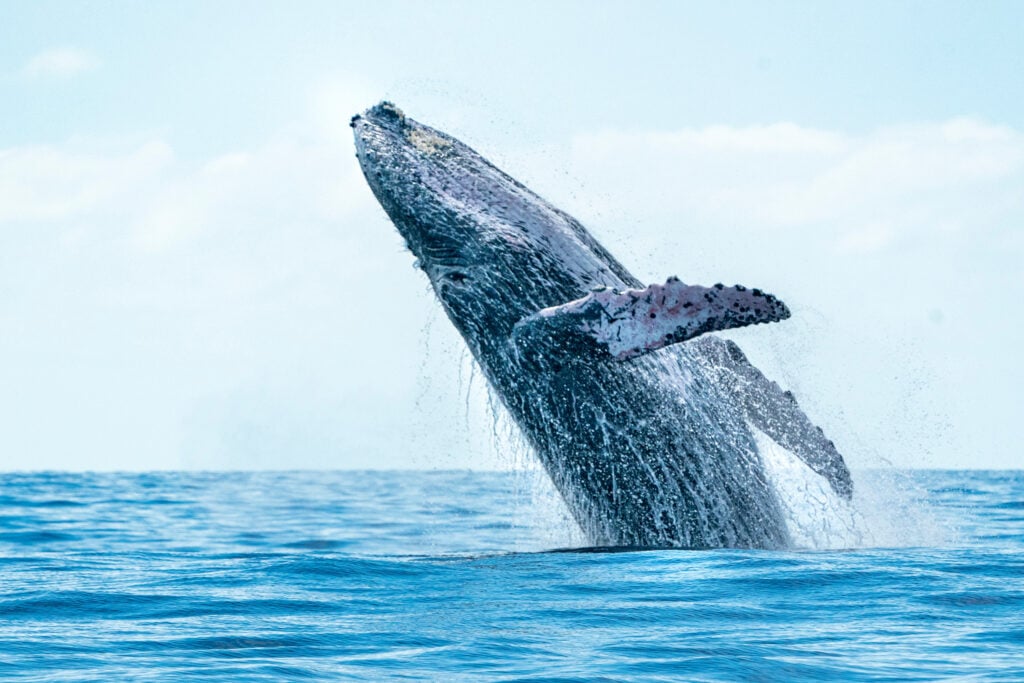
This landmark study is the result of an interdisciplinary collaboration, including insights from renowned specialists such as Marc Lammers, a research ecologist, and Adam Pack, a psychology and biology professor at the UH Hilo Marine Mammal Lab. With their combined expertise, the research team leads the way in enhancing our understanding of how humpback whales navigate and adapt to their noisy underwater realm.






Add comment