

Whaling, the practice of hunting whales for their meat, oil, and other products, has a long and contentious history. The industry reached its peak in the mid-20th century, which resulted in the dramatic decline of many whale populations.
In response to this environmental crisis, conservation efforts led to the establishment of the International Whaling Commission (IWC) in 1946, tasked with overseeing whale conservation and the management of whaling. Despite these efforts, several countries maintain active whaling industries, raising questions about conservation and sustainability.
The IWC implemented a moratorium on commercial whaling in 1986 due to widespread concern over the future of whale species. While many member nations have ceased whaling, a few countries have expressed reservations or objections to the ban and continue to hunt whales.
These countries justify their activities under the auspices of scientific research or cultural exemptions, which has been a subject of international debate. The ongoing whaling practices underscore the complex balance between cultural traditions, economic interests, and the pressing need for conservation of marine life.
Current Whaling Nations
Despite international pressures and declining demand, a few countries continue to conduct whaling operations within the confines of their respective legal systems and established quotas.
Japan
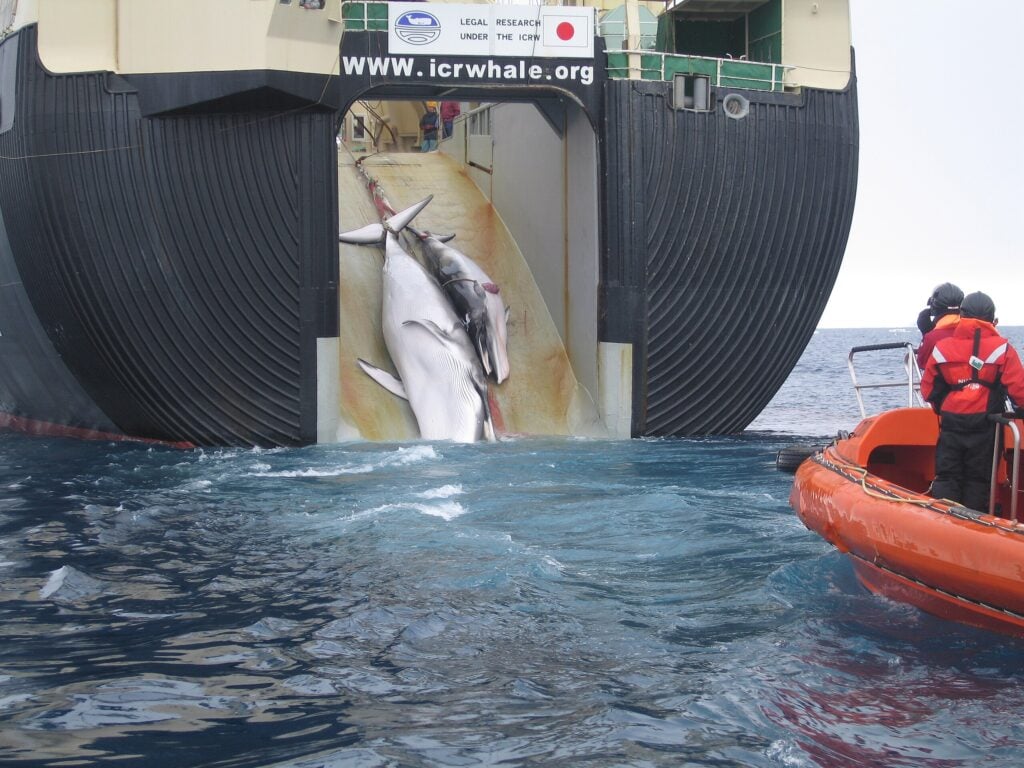
Japan resumed commercial whaling in July 2019, after withdrawing from the International Whaling Commission. The country has established a quota system it considers scientific and sustainable, confining its whaling fleet to its territorial waters and exclusive economic zone.
Norway
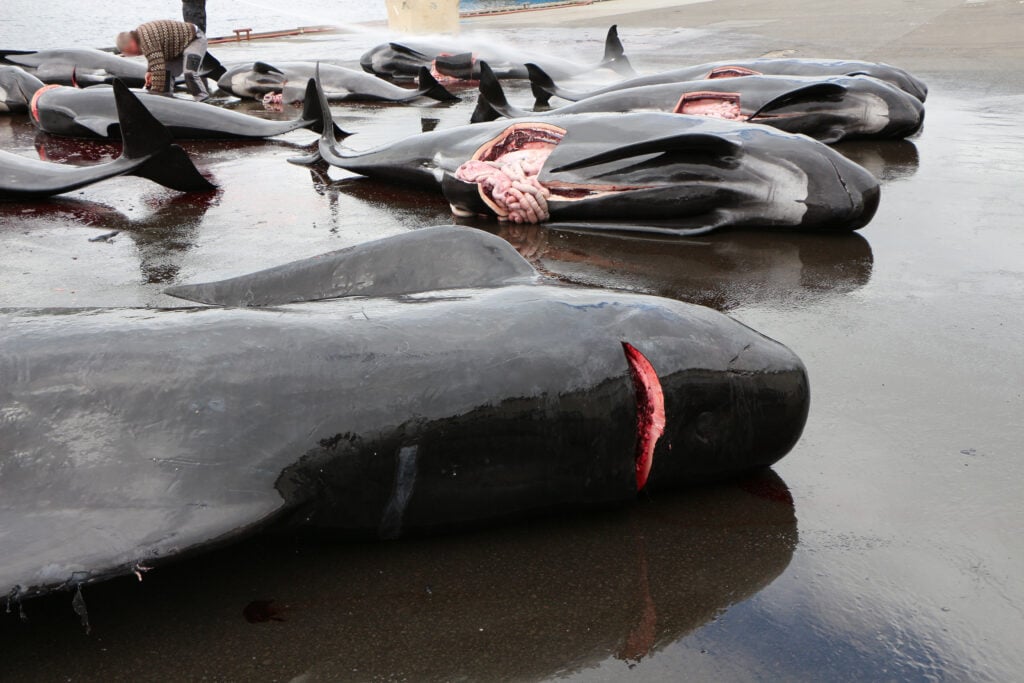
Norway objects to the International Whaling Commission’s moratorium and conducts commercial whaling under a self-allocated quota. Norway maintains that its whaling practices are a tradition and managed sustainably, primarily targeting the minke whale in the North Atlantic.
Iceland

Iceland, similar to Norway, cites tradition and sustainable management in its continued whaling practices. The country issued a commercial quota for fin and minke whales, although its actual whaling activities have varied from year to year, influenced by global demand and domestic policies.
International Whaling Regulations
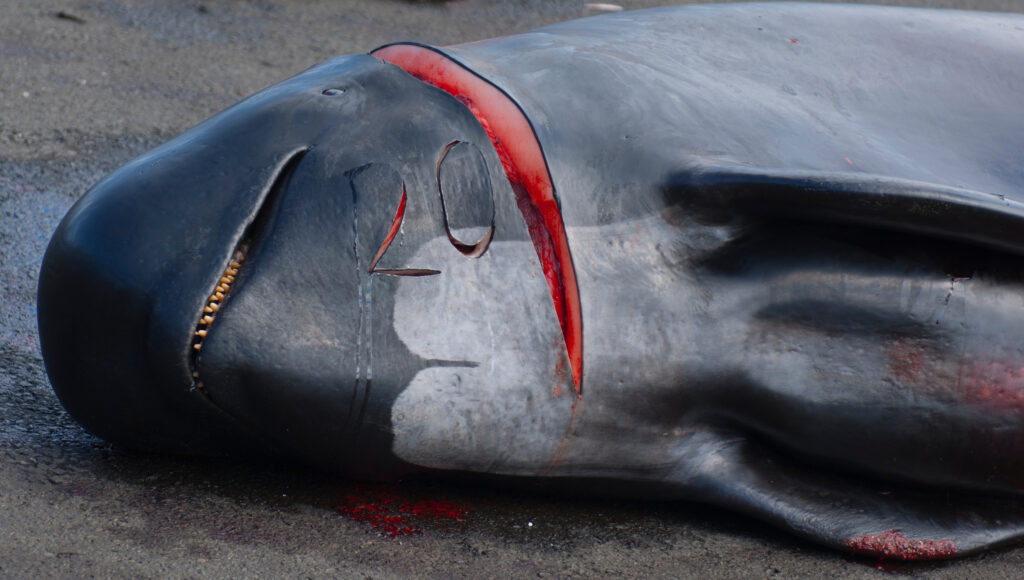
Regulation of whaling activities on an international scale is predominantly governed by the International Whaling Commission (IWC), which has instituted a moratorium on commercial whaling, although some countries have lodged reservations to this ban.
International Whaling Commission
The International Whaling Commission (IWC) was established under the International Convention for the Regulation of Whaling, with the mandate to oversee the conservation of whale populations and manage whaling practices.
The Commission is recognized as the main body for the governance of whaling activities globally, where member nations convene to discuss and set whaling policies. Over the years, the IWC has been influenced by both pro-whaling and anti-whaling nations, shaping the discourse on the future of international whaling regulation.
Moratorium and Reservations
In 1982, the IWC implemented a moratorium on commercial whaling to address concerns about declining whale populations. This moratorium on commercial whaling was agreed upon by member nations, but its effectiveness has been challenged by subsequent actions of some countries.
Not all member states comply due to reservations they have lodged against the ban. These reservations, or objections, allow them to legally continue whaling activities despite the existence of the moratorium, creating legal complexities within the framework of the IWC’s international whaling regulations.
Cultural and Economic Aspects
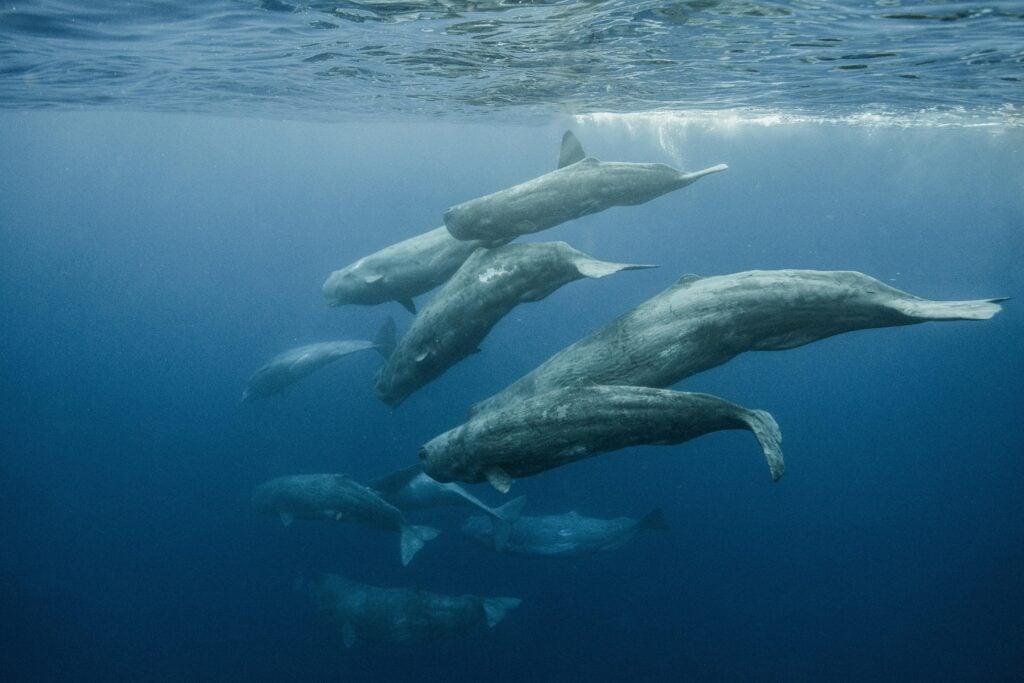
The persistence of whaling in certain regions is influenced by deeply rooted traditions and the drive for profits from the industry. Communities often view whaling as a critical component of their cultural identity, while on a broader scale, commercial whaling is defended for the economic benefits it provides.
Tradition and Community
Whaling remains an integral part of the cultural fabric for several indigenous populations and local communities. They rely on the practice not only for food but also as a means to uphold time-honored customs.
For example, in Japan, whale meat has historically been consumed, but it has seen consistent losses, suggesting a shift in preference or demand. This shift demonstrates the complex relationship between cultural traditions and modern sustainability efforts.
Commercial Purposes and Profit
In contrast to the cultural aspect, whaling has commercial motivations. The industry seeks profit through the sale of whale meat and other by-products. Despite international scrutiny and declining demand in some markets for whale meat, profit-seeking motives drive a portion of the whaling activity.
Countries involved in this trade justify it through economic needs, yet evidence suggests that whaling may not significantly contribute to the overall economy as once presumed.
Conservation Concerns

The exploitation of whales has raised significant conservation issues as some species have become vulnerable and, in certain instances, near extinction. The relentless pursuit of whales for their meat and by-products causes not just a depletion in whale populations but also disrupts fragile marine ecosystems.
Endangered Species and Environmental Impact
Several whale species are classified as endangered and face the threat of extinction due to whaling activities. The International Union for Conservation of Nature (IUCN) categorizes species like the Blue Whale and the Fin Whale as at risk, where their numbers have dwindled due to historical and, in some cases, ongoing hunting practices.
It is crucial that existing international agreements and conservation efforts continue and evolve to offer these majestic creatures the protection they direly need. A case in point is the impact of Whaling in Europe: it has led to a notable decline in specific whale populations, hampering the efforts to recover these majestic creatures from the brink of extinction.
Whaling and Marine Ecosystems
Whaling has broader implications beyond the direct impact on the targeted whale populations. Whales play a vital role in marine ecosystems, contributing to the health of the oceans in various ways, including nutrient cycling. The removal of significant numbers of whales can disrupt these systems, leading to unforeseen consequences on other marine life.
Furthermore, the Sustainable use of whales, which encompasses the debate between whaling and whale watching, indicates the potential for non-lethal utilization of whale populations for economic gain, which can be more sustainable and conservation-friendly in the long-term.




Add comment