

The ocean is an immense and vital part of planet Earth, covering over 70% of its surface. It is a complex ecosystem that supports a diverse range of life forms and governs the weather and climate patterns necessary for human survival.
Despite its prominence on our planet, the ocean remains one of the most mysterious and least explored areas, with new discoveries constantly emerging.
As the largest habitat on Earth, the ocean’s influence extends well beyond its salty waters, impacting ecosystems, economies, and cultures around the world.
Geography of the Oceans

Exploring the oceans’ geography reveals a dynamic and intricate landscape, dominated by vast bodies of water and complex underwater topography. Understanding the distribution of Earth’s water and the ocean floor’s structure allows for insights into the planet’s natural processes and the geography that shapes marine environments.
Understanding Earth’s Water Distribution
The Earth’s surface is predominantly covered by water, with oceans accounting for about 71% of it. The planet’s five main oceans are the Pacific, Atlantic, Indian, Southern, and Arctic.
The Pacific Ocean is the largest and deepest, extending over a vast region and playing a pivotal role in Earth’s hydrological and climatic patterns. The Atlantic Ocean is known for its Mid-Oceanic Ridge, one of the longest mountain ranges globally, and the Indian Ocean is the warmest, influencing weather and climate far beyond its boundaries.
Toward the planet’s poles lie the frigid waters of the Southern and Arctic Oceans, which are critical in regulating global temperatures and supporting unique ecosystems.
Marine Topography and the Ocean Floor
Beneath the ocean’s surface lies an ocean floor teeming with varied topography. Mountain ranges, deep trenches, and sprawling plains define this undersea landscape. The Mariana Trench in the Pacific Ocean is the deepest known part of the ocean, reaching over 36,000 feet below sea level.
Parallel to the edges of continents, the continental shelf provides a link between the land masses and the deep ocean. Volcanic activity under the sea can create new geological features such as islands and contribute to the continuous reshaping of the seafloor.
This dynamic environment is also the site of the global Mid-Oceanic Ridge system, which stretches through all the major oceans, indicating the presence of tectonic plate boundaries and the process of seafloor spreading.
Life in the Oceans

The oceans are teeming with life, from the smallest plankton to the largest whales. Understanding the variety and complexity of life within these ecosystems is crucial for grasping the importance of the oceans to our planet.
Diversity of Marine Species
The ocean’s biodiversity is unparalleled, containing a multitude of organisms at every level of the food chain. Marine species range from microscopic algae and phytoplankton, which form the basis of oceanic food webs, to the mighty whales that roam the seas.
Notably, coral reefs serve as the bustling metropolis for marine life, housing an astonishing variety of creatures, including fish, invertebrates, and marine turtles. The dolphin, admired for its intelligence and agility, frequents various ocean habitats, while the fearsome shark has adapted to thrive in multiple marine environments.
Exploring Ocean Ecosystems
Ocean ecosystems are vast and diverse, comprising different habitats such as mangroves, kelp forests, and the deep sea. Each area is a self-contained hub supporting life adapted to its unique conditions.
Coral reefs, often referred to as “the rainforests of the sea,” provide shelter and nourishment to an array of species. On the other hand, the open ocean is a vast expanse where life is dictated by the availability of sunlight and nutrients, often leading to the fascinating phenomenon of vertical migration amongst creatures like squid and jellyfish.
Scientists continue to explore these underwater worlds, regularly discovering new species and gaining insights into the interconnectedness of ocean life.
Ocean Science and Exploration

The field of ocean science and exploration is multifaceted, encompassing the study of oceanography, the impact of human activities on marine environments, and the ongoing efforts to conserve oceanic ecosystems.
Pioneering scientists and explorers have unveiled the mysteries of the deep ocean, with research initiatives and conservation projects playing a critical role in understanding and protecting our oceans.
Oceanography and Research Initiatives
Oceanography is the branch of science dedicated to the study of the Earth’s oceans and seas. It includes various disciplines such as marine biology, geological oceanography, physical oceanography, and chemical oceanography.
Research initiatives in oceanography often involve multidisciplinary projects that aim to map uncharted areas of the ocean, such as those carried out by vessels like the R/V Falkor or E/V Nautilus, contributing immensely to our knowledge of marine science.
Scientists and organizations, including National Geographic, have explored the depths of the sea, discovering new species and underwater phenomena. These initiatives often rely on sophisticated technology like submersibles and remotely operated vehicles (ROVs), enabling researchers to study areas that were previously inaccessible to humans due to extreme pressures and darkness in the deep ocean.
Human Impacts and Ocean Conservation
Human activities have had significant impacts on the ocean’s health, leading to issues such as pollution, climate change, and oil spills. Pollution from plastic waste is a critical concern, as it harms marine wildlife and ecosystems. The United Nations and various environmental groups are actively working on ocean conservation projects to address these issues.
Conservation efforts include the establishment of marine protected areas (MPAs) to safeguard habitats and biodiversity. Scientists and divers contribute to these endeavors by conducting research that informs policies and cleanup operations. Entities such as the United Nations play a pivotal role in international collaboration for the enforcement of environmental regulations and the promotion of sustainable use of ocean resources.
Through concerted global efforts, the adverse effects of human activities on the marine environment can be mitigated, ensuring the protection of this crucial component of Earth’s ecosystem for future generations.
Physical and Chemical Properties
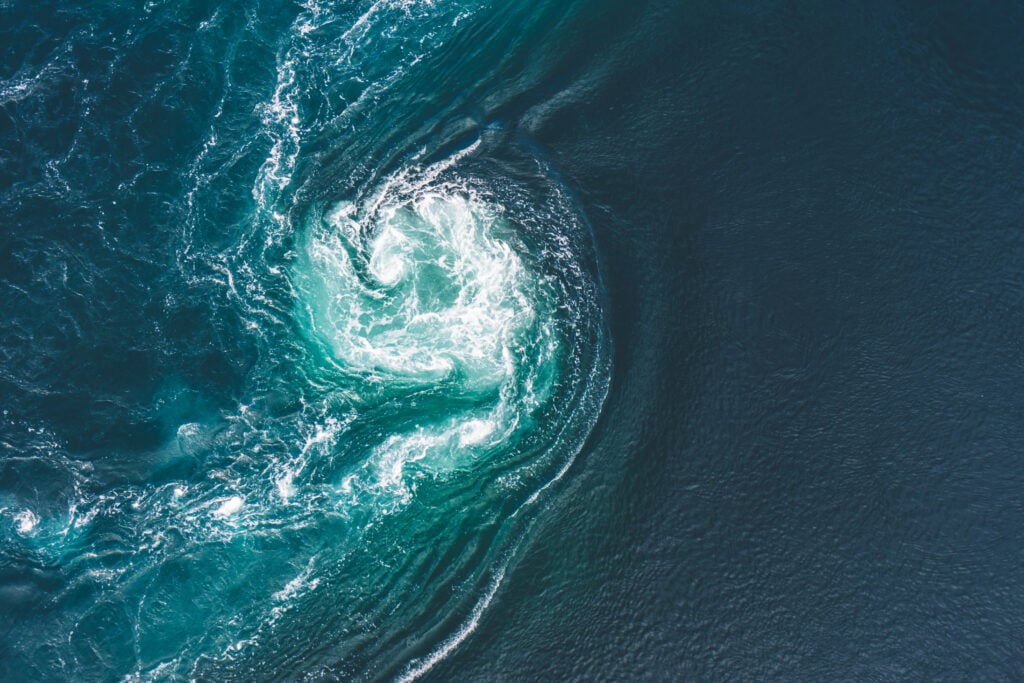
The ocean’s physical and chemical properties are integral in shaping the planet’s climate, biology, and geology. Understanding these properties helps us comprehend global water movements, the effects of salinity on ocean chemistry, and the processes that drive them.
Water Movements and Currents
Ocean currents are driven by a combination of wind patterns, the Earth’s rotation, and differences in water temperature and salinity. The Gulf Stream, for instance, is a powerful Atlantic current that influences the climate of the Eastern United States and Western Europe.
Currents work alongside the tides, which are caused by gravitational forces exerted by the moon and the sun, affecting sea level and contributing to the movement of seawater on a global scale.
Salinity and Ocean Chemistry
Ocean chemistry is primarily defined by its salinity, which is the concentration of dissolved salt in seawater. Salinity affects the carbon cycle by influencing the solubility of carbon dioxide in the ocean. This gas is crucial for marine life as it forms part of the dissolved oxygen content, essential for aquatic organisms.
Higher salinity usually means higher densities, affecting the buoyancy of sea life and the formation of hydrothermal vents, which contribute to the unique chemical composition of the ocean, sometimes even containing traces of dissolved gold. The intricate balance of the water and carbon cycles is essential for maintaining life as we know it, in both bodies of water and the atmosphere.





Add comment