
Baltimore Harbor, an iconic landmark of Maryland, often conjures images of a bustling port and vibrant waterfront attractions, including the National Aquarium—one of the city’s premier tourist destinations.
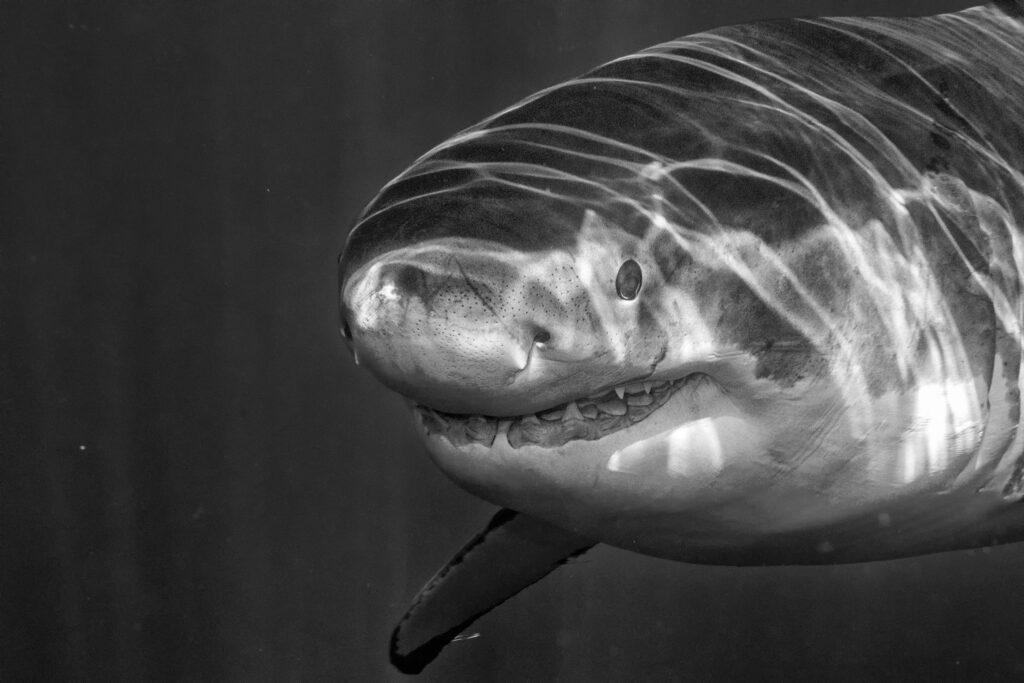
While the harbor is not typically associated with shark encounters, it provides a fascinating glimpse into the adaptability and migration patterns of various shark species.
The brackish waters of the Chesapeake Bay, which connect to the harbor, have shown instances where sharks, primarily known for their oceanic habitats, make their way into estuarine environments, demonstrating their ecological flexibility.
Shark Species in Baltimore Harbor

Baltimore Harbor, a significant landmark within the Chesapeake Bay, is not commonly recognized for shark presence. However, the Harbor and its surrounding areas have recorded instances of varied shark species, emphasizing the diversity of marine life in the Atlantic.
Native Sharks and Seasonal Visitors
Sharks are an integral part of the Chesapeake Bay ecosystem, which extends to the waters of Baltimore Harbor. Although shark encounters are infrequent in the Harbor itself, certain species venture into these waters.
The sandbar shark is often spotted, particularly given its preference for high salinity estuarine areas. Smooth dogfish sharks are also common in the Chesapeake Bay. Seasonal visitors include larger species like the sand tiger shark and the bull shark, which are known to swim into the Bay from the Atlantic during warmer months.
Aquarium Conservation and Education
The National Aquarium in Baltimore plays a pivotal role in educating the public about sharks and their conservation. With habitats such as the Blacktip Reef, the aquarium not only showcases live specimens like the blacktip reef sharks but also provides updates and newsletters on conservation efforts and marine ecosystem health.
The aquarium organizes events and tours, allowing guests an up-close encounter with these fascinating predators, all while promoting awareness and protection of shark species.
Shark Encounters and Safety
Encounters with sharks in Baltimore Harbor are rare, and attacks are even less common. However, as apex predators, it is crucial for beachgoers and those partaking in water activities to stay informed. Experts from the National Aquarium provide valuable information on shark behavior and safety.
For those interested in a safe encounter, the aquarium offers guided tours, where visitors can learn about sharks and observe them without risk. As for swimmers and boaters in open water, paying attention to local ocean conditions and shark attack reports, particularly during the summer months in places like Ocean City, is advised for safety.
Understanding Shark Behavior and Ecosystems

Shark behavior in marine ecosystems is crucial, particularly in the unique context of high-traffic areas like Baltimore Harbor where conservation efforts are vital.
Ecosystem Roles and Shark Behavior
Sharks are integral to marine life as apex predators; they maintain the health of the ecosystem by controlling the population of their prey. In Baltimore Harbor, this dynamic balance affects both the Inner Harbor and the Potomac River, as sharks influence the habitats of various marine life, including rays. Their migratory patterns and how they occupy these brackish and sometimes freshwater environments give insights into their role in the ecosystem.
Human Impact and Shark Conservation
Conservation efforts by organizations, such as the National Oceanic and Atmospheric Administration (NOAA), are focused on mitigating human impacts on shark populations. It’s a delicate balance to manage the habitat and marine life in the Harbor, where human activities intersect with the natural world.
Education is key, with ongoing education initiatives and events aimed at informing the public about the importance of sharks in the ecosystem and what can be done to help their populations thrive. Updates on these efforts are vital in fostering a knowledgeable community taking part in conservation.


Add comment