
Steelhead trout and salmon are two highly sought-after fish that are popular in the culinary world. They are both members of the same family, Salmonidae, but differ in many ways.

Steelhead trout are often referred to as the “rainbow trout of the sea” due to their anadromous nature, which means they are born in freshwater but migrate to the ocean to grow and mature before returning to freshwater to spawn.
Salmon, on the other hand, are born in freshwater, migrate to the ocean, and return to freshwater to spawn.
Understanding the differences between steelhead trout and salmon is crucial for anyone who enjoys fishing or eating seafood.
Appearance and size, habitat and spawning, nutritional value, taste and texture, price and availability, and health benefits and risks are all factors that set these two fish apart.
While steelhead trout and salmon share many similarities, they also have distinct differences that make them unique.
Key Takeaways
- Steelhead trout and salmon are both members of the Salmonidae family but differ in many ways.
- Understanding the differences between steelhead trout and salmon is important for fishing and culinary purposes.
- Appearance and size, habitat and spawning, nutritional value, taste and texture, price and availability, and health benefits and risks are all factors that distinguish these two fish.
Steelhead Trout vs Salmon

Steelhead trout and salmon are both members of the fish family Salmonidae. They are anadromous fish, which means they are born in freshwater, spend most of their lives in the ocean, and return to freshwater to spawn.
Steelhead trout are a type of rainbow trout that have evolved to migrate to the ocean. They are found in the Pacific Ocean, from Alaska to California, and in the Great Lakes region.
Unlike other rainbow trout, steelhead trout can survive in saltwater and can grow much larger. They are also known for their acrobatic jumps and strong fighting ability when hooked by anglers.
Salmon is a broad term that refers to several species of fish, including Chinook, Coho, Sockeye, and Pink salmon. They are found in the Pacific and Atlantic Oceans and are known for their distinctive pink or red flesh.
Like steelhead trout, salmon are anadromous and spend most of their lives in the ocean before returning to freshwater to spawn.
While steelhead trout and salmon share many similarities, there are also some key differences. For example, steelhead trout can spawn multiple times in their lifetime, while most species of salmon only spawn once before dying.
Steelhead trout also tend to spend more time in the ocean than salmon, which allows them to grow larger.
In terms of taste, steelhead trout and salmon are both prized for their flavor and nutritional value. They are both rich in omega-3 fatty acids, which are essential for heart and brain health.
However, some people prefer the milder taste of steelhead trout, while others prefer the stronger, more robust flavor of salmon.
Appearance and Size

Steelhead trout and salmon are both members of the Salmonidae family and share similarities in appearance and size. However, there are some notable differences.
Appearance
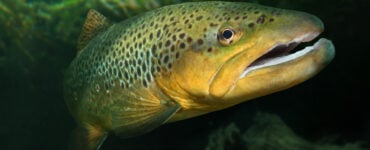
Steelhead trout have a sleek and slender body with a silvery-blue coloration that is darker on the back and lighter on the sides. They have small black spots on their back, dorsal fin, and tail.
The adipose fin of steelhead trout is usually small and lacks spots. In contrast, salmon have a more robust body with a darker coloration that is typically greenish-brown on the back and silver on the sides.
They have larger black spots on their back, dorsal fin, and tail, and their adipose fin is usually larger and has spots.
Size
Steelhead trout and salmon can vary in size depending on the species and the environment they live in. Steelhead trout are generally smaller and thinner than salmon.
They typically range in size from 20 to 30 inches in length and weigh between 8 to 12 pounds. In contrast, salmon can grow much larger and heavier.
For example, Chinook salmon, also known as King salmon, can grow up to 4 feet in length and weigh up to 100 pounds.
Color
Steelhead trout and salmon can have different color variations depending on their environment and life cycle.
During the spawning season, both species develop a pink stripe on their sides, which is more prominent in some species than others.
Steelhead trout tend to have a more muted pink stripe compared to salmon, which can have a bright and vibrant pink stripe.
Habitat and Spawning

Steelhead trout and salmon have different habitat needs for spawning and rearing. Steelhead trout spawn in freshwater streams and rivers, while salmon spawn in both freshwater and saltwater environments.
Steelhead trout prefer to spawn in streams with clean, cold water and gravel bottoms. They typically spawn in the upper reaches of streams and rivers, where the water is colder and more oxygenated.
Steelhead trout fry then migrate to the ocean, where they spend most of their adult life before returning to their natal streams to spawn.
Salmon, on the other hand, have a more complex life cycle. They can spawn in both freshwater and saltwater environments, depending on the species.
For example, chinook salmon spawn in freshwater streams and rivers, while coho salmon spawn in both freshwater and saltwater environments.
Salmon typically spawn in the lower reaches of streams and rivers, where the water is warmer and less oxygenated.
After hatching, salmon fry migrate downstream to estuaries and eventually to the ocean, where they spend most of their adult life before returning to their natal streams or rivers to spawn.
Both steelhead trout and salmon require specific habitat conditions for successful spawning. For example, they need clean, cold water with sufficient oxygen levels and suitable substrate for egg deposition.
The availability and quality of spawning habitat can greatly affect the survival and abundance of these fish populations.
Nutritional Comparison

When it comes to nutritional value, both steelhead trout and salmon are excellent sources of protein, omega-3 fatty acids, and essential vitamins and minerals. However, there are some differences in their nutrient profiles.
Protein
Both steelhead trout and salmon are excellent sources of protein, with around 20-25 grams of protein per 3-ounce serving. Protein is essential for building and repairing tissues in the body, and both fish are considered high-quality protein sources.
Fat and Fatty Acids
Salmon is known for its high-fat content, with around 12 grams of fat per 3-ounce serving, while steelhead trout contains around 7 grams of fat per serving.
However, both fish are rich in heart-healthy omega-3 fatty acids, with salmon containing slightly more than steelhead trout.
Vitamins and Minerals
Both steelhead trout and salmon are excellent sources of vitamins B6 and B12, phosphorus, and selenium.
Salmon is also a good source of vitamin D, while steelhead trout is high in vitamin B5 and potassium.
Calories and Cholesterol
Both fish are relatively low in calories, with around 120-150 calories per 3-ounce serving. Steelhead trout is slightly lower in cholesterol than salmon, with around 50 milligrams per serving compared to salmon’s 60 milligrams.
Benefits
Both steelhead trout and salmon are nutrient-dense foods that offer a range of health benefits. The omega-3 fatty acids found in these fish have been linked to improved heart health, reduced inflammation, and improved brain function.
Additionally, the high protein content of these fish can help to promote satiety and weight management.
Taste and Texture

When it comes to taste and texture, steelhead trout and salmon have some similarities, but also some differences.
Both fish have a mild flavor that is often described as slightly sweet and buttery. However, salmon is generally considered to have a stronger taste than steelhead trout.
In terms of texture, steelhead trout has a slightly firmer texture than salmon, which is often described as more delicate.
Steelhead trout also tends to have smaller flakes than salmon, which can be a factor in how the fish is prepared and served.
When it comes to taste and texture, personal preference plays a big role in which fish is preferred. Some people prefer the stronger taste and more delicate texture of salmon, while others prefer the milder taste and firmer texture of steelhead trout.
It’s worth noting that the taste and texture of both fish can be affected by a variety of factors, including how the fish is raised, how it is prepared, and how fresh it is.
For example, farm-raised steelhead trout may have a milder taste than wild-caught steelhead trout, while fresh-caught salmon may have a stronger taste than frozen salmon.
Price and Availability

When it comes to price and availability, steelhead trout and salmon have some differences. Steelhead trout is generally less expensive than salmon, making it a more affordable option for consumers.
This is partly because steelhead trout is farmed more often than salmon, which makes it easier to produce and distribute. As a result, steelhead trout is often more widely available in supermarkets and grocery stores.
In terms of availability, both steelhead trout and salmon can be found in most supermarkets and fish markets. However, salmon is generally more popular and easier to find than steelhead trout.
This is because salmon has a longer history of being farmed and consumed, and it is often considered a more premium fish than steelhead trout.
Despite this, steelhead trout is still a great option for those looking for an affordable and delicious fish. It has a similar taste to salmon, with a slightly milder flavor and a slightly firmer texture.
It is also a great source of protein and omega-3 fatty acids, making it a healthy choice for those looking to improve their diet.
Health Benefits and Risks

Both steelhead trout and salmon are considered to be healthy fish options due to their high omega-3 fatty acid content.
Omega-3 fatty acids are essential for good health and have been linked to a reduced risk of heart disease, stroke, and certain cancers. They are also important for brain function and development.
However, when it comes to mercury levels, salmon tends to have higher levels than steelhead trout. This is because salmon is a larger fish and tends to live longer than steelhead trout, which means they have more time to accumulate mercury in their bodies.
High levels of mercury can be harmful to human health, especially for pregnant women and young children.
It is important to note that the health benefits of consuming fish outweigh the risks associated with mercury levels. However, it is recommended to limit consumption of fish with high mercury levels to reduce the risk of mercury poisoning.
In addition to omega-3 fatty acids, steelhead trout and salmon are also good sources of protein, vitamin D, and other important nutrients. They are low in saturated fat and calories, making them a healthy addition to any diet.
Farmed vs Wild-Caught

Steelhead trout and salmon can be either farm-raised or wild-caught. There are some key differences between the two types that consumers should be aware of.
Farm-Raised
Farmed steelhead trout and salmon are raised in artificial environments such as tanks, ponds, or ocean pens.
They are fed a diet of pellets that are high in protein and fat. The use of antibiotics and growth hormones is common to promote growth and prevent disease.
One of the advantages of farm-raised steelhead trout and salmon is that they are available year-round. They are also typically less expensive than their wild-caught counterparts.
However, there are some concerns about the environmental impact of fish farming, including pollution and disease transmission to wild fish populations.
Wild-Caught
Wild-caught steelhead trout and salmon are caught in their natural habitats such as rivers, lakes, and oceans. They have a more varied diet and are free to swim and move as they please.
Wild-caught steelhead trout and salmon are generally considered to be healthier and more nutritious than farm-raised fish.
They are also considered to be more environmentally sustainable, as they are not contributing to pollution or disease transmission from fish farms. However, they are only available during certain seasons and can be more expensive.
Alaska
Alaska is a major source of both wild-caught steelhead trout and salmon. The state has strict regulations on fishing and sustainability practices, which helps to ensure that the fish populations remain healthy and abundant.
Consumers who are concerned about the environmental impact of their seafood choices may want to look for wild-caught steelhead trout and salmon from Alaska. These fish are considered to be some of the most sustainable and environmentally friendly options available.
Frequently Asked Questions
What are the differences in size between steelhead trout and salmon?
Steelhead trout and salmon are both large fish, but there are some differences in their size. Steelhead trout are generally smaller than salmon, with an average weight of 8-11 pounds, while salmon can weigh up to 30 pounds or more.
However, there is some variation in size within each species, depending on the specific type of fish and where it is caught.
How do you cook steelhead trout compared to salmon?
Both steelhead trout and salmon are versatile fish that can be cooked in a variety of ways. They can be grilled, baked, broiled, or pan-fried.
However, steelhead trout has a slightly milder flavor than salmon, so it may not stand up as well to strong seasonings or sauces. It is also a bit leaner than salmon, so it may need to be cooked for a shorter amount of time to prevent it from drying out.
Is there a difference in mercury levels between steelhead trout and salmon?
Both steelhead trout and salmon are considered to be low-mercury fish, which means they are safe to eat in moderation.
However, there may be some variation in mercury levels depending on where the fish was caught and how it was raised. Generally, wild-caught fish are lower in mercury than farmed fish.
Which fish has more omega-3, steelhead trout or salmon?
Both steelhead trout and salmon are good sources of omega-3 fatty acids, which are important for heart health and brain function.
However, salmon is generally considered to be a better source of omega-3s than steelhead trout, with some types of salmon containing up to 2-3 times more omega-3s than steelhead trout.
What are people saying about steelhead trout vs salmon on Reddit?
According to Reddit users, steelhead trout and salmon are both delicious fish that can be cooked in a variety of ways.
Some users prefer steelhead trout for its milder flavor and lower fat content, while others prefer salmon for its richer flavor and higher omega-3 content. Overall, it seems that both fish are popular choices for cooking and eating.
How does the protein content of steelhead trout compare to salmon?
Both steelhead trout and salmon are good sources of protein, with similar amounts per serving.
However, salmon is slightly higher in protein than steelhead trout, with some types of salmon containing up to 25 grams of protein per 3-ounce serving, compared to 20 grams for steelhead trout.




Add comment