
Brown trout and rainbow trout are two of the most popular game fish in North America. Both species are highly sought after by anglers for their fighting ability and delicious taste. While they may look similar, there are some key differences between the two that make them unique.

Brown trout are known for their aggressive behavior and are often found in slower-moving waters such as streams and rivers. They can grow up to 40 inches in length and weigh up to 20 pounds, making them one of the largest trout species. On the other hand, rainbow trout are more commonly found in faster-moving waters such as streams and small rivers. They are known for their acrobatic jumps and can grow up to 30 inches in length and weigh up to 10 pounds.
Despite their differences, both brown trout and rainbow trout are highly valued by anglers and play an important role in the ecosystem. Understanding the unique characteristics of each species can help anglers better target and catch these elusive fish.
Brown Trout vs Rainbow Trout

Trout are a popular species of fish among anglers, and there are many different types of trout species found all over the world. Two of the most commonly caught species are brown trout and rainbow trout.
It is important to be able to identify these species in order to comply with fishing regulations and to know which species you are catching. In this section, we will discuss the key characteristics of brown trout and rainbow trout to help you identify them.
Size and Weight
Both brown trout and rainbow trout can grow to be quite large. Brown trout can reach up to 20-30 inches in length and can weigh up to 20 pounds, while rainbow trout can grow up to 16-20 inches in length and can weigh up to 8 pounds. However, the average size of these species is much smaller, with most brown trout and rainbow trout caught by anglers weighing between 1-5 pounds.
Appearance and Markings
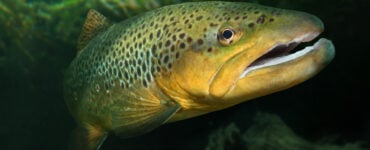
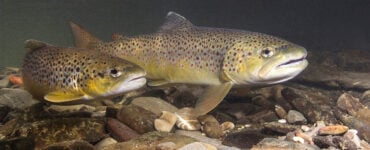
One of the easiest ways to identify brown trout and rainbow trout is by their appearance and markings. Brown trout have dark bodies with light spots and a red/orange hue on their sides.
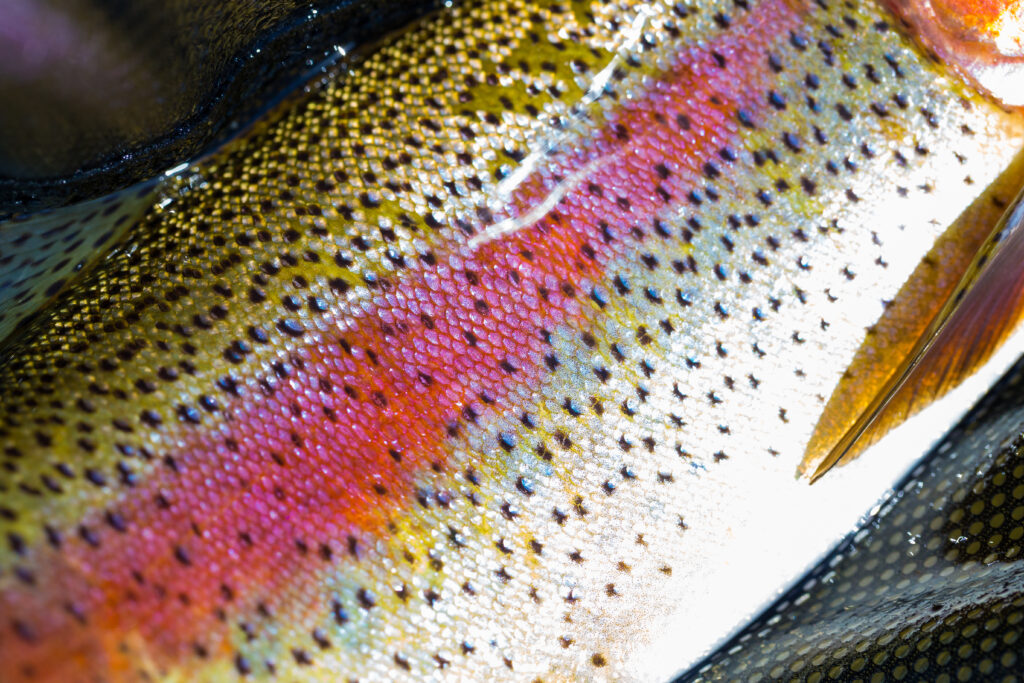
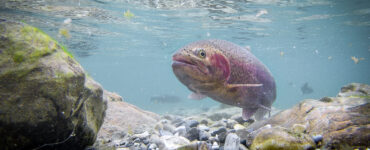
They also have a distinct halo around their spots and a white edge on their lower fins. In contrast, rainbow trout have a more colorful appearance with a pinkish stripe along their sides and a bluish-green hue on their backs. They also have a more uniform pattern of spots without the halo seen in brown trout.
Characteristics
Brown trout and rainbow trout also have different characteristics that can help identify them. Brown trout prefer cooler water and are often found in streams and rivers with rocky bottoms.
They are also more aggressive and territorial than rainbow trout, making them more difficult to catch. Rainbow trout, on the other hand, are more adaptable and can thrive in a variety of habitats, including lakes, rivers, and streams. They are also less aggressive and easier to catch than brown trout.
In terms of taste, brown trout and rainbow trout are both delicious and can be cooked in a variety of ways. However, some anglers prefer the taste of brown trout over rainbow trout, while others prefer the opposite. Ultimately, the success of catching either species depends on the angler’s skill and knowledge of the fish’s behavior and habitat.
Habitat and Distribution

Brown trout and rainbow trout are both freshwater fish that prefer cool water temperatures and well-oxygenated water. Brown trout are native to Europe and Asia, while rainbow trout are native to North America. Both species have been introduced to many parts of the world, including South America, Canada, and Asia.
Habitat
Brown trout and rainbow trout both prefer clear, cold water with moderate to fast currents. They are often found in rivers and streams, but can also be found in lakes and other freshwater tributaries. Brown trout tend to prefer deeper pools and slower currents, while rainbow trout prefer faster currents and riffles.
Distribution
Brown trout are found in many parts of the world, including Europe, Asia, North America, and South America. In North America, brown trout are found in many rivers and lakes, particularly in the western United States. Rainbow trout are also found in many parts of the world, including North America, Europe, and Asia. In North America, rainbow trout are found in many rivers and lakes, particularly in the western United States.
Invasive Species
Both brown trout and rainbow trout have been introduced to many parts of the world as a game fish. However, they can also have negative impacts on native fish populations when they become invasive species. Invasive brown trout have been known to outcompete native fish for food and habitat, particularly in streams and small rivers. Invasive rainbow trout have been known to hybridize with native cutthroat trout, leading to a loss of genetic diversity and potentially threatening the survival of the native species.
Breeding and Spawning

Breeding and spawning are critical aspects of the life cycle of both brown and rainbow trout. Both species breed in freshwater streams and rivers during the spring months. However, there are some differences in their breeding and spawning habits.
Brown Trout
Brown trout typically spawn in the fall months, between September and December, when water temperatures drop to around 50°F. They prefer to spawn in gravel beds with moderate to fast water flow, and they often choose cover such as overhanging vegetation or undercut banks. Brown trout are also known to create redds, which are depressions in the gravel where the female lays her eggs and the male fertilizes them.
During the spawning process, male brown trout become very aggressive and territorial, and they will often fight with other males to defend their chosen spawning site. The female will then lay her eggs in the depression, and the male will fertilize them. After spawning, the female will cover the eggs with gravel to protect them from predators.
Rainbow Trout
Rainbow trout typically spawn in the spring months, between March and June, when water temperatures reach around 50-55°F. They prefer to spawn in gravel beds with moderate water flow and often choose cover such as overhanging vegetation or undercut banks. Rainbow trout also create redds, similar to brown trout, where the female lays her eggs and the male fertilizes them.
During the spawning process, male rainbow trout will often display their bright colors to attract a mate. The female will then lay her eggs in the depression, and the male will fertilize them. After spawning, the female will cover the eggs with gravel to protect them from predators.
Comparing Brown Trout With Rainbow Trout
Brown trout and rainbow trout are two of the most popular trout species for fishing and consumption. While they share some similarities, there are also notable differences between the two. In this section, we will compare brown trout and rainbow trout based on several factors.
Appearance
One of the most obvious differences between brown trout and rainbow trout is their appearance. Brown trout have a dark back with yellowish-brown sides and a white belly. They also have black and red spots on their sides, which are surrounded by a light halo. In contrast, rainbow trout have a silver back with pinkish sides and a white belly. They have black spots on their sides, which are not surrounded by a halo.
Habitat
Brown trout and rainbow trout also differ in their habitat preferences. Brown trout are native to Europe and Asia but have been introduced to many other parts of the world, including North America. They prefer cool, clear streams and rivers with rocky bottoms and plenty of cover. In contrast, rainbow trout are native to North America but have been introduced to many other parts of the world, including Europe. They prefer cool, clear streams and rivers with gravel bottoms and plenty of oxygen.
Diet
Brown trout and rainbow trout have similar diets, but there are some differences. Brown trout are opportunistic feeders and will eat a variety of prey, including insects, crustaceans, and small fish. They are also known to eat terrestrial insects that fall into the water. Rainbow trout also eat insects, crustaceans, and small fish, but they are more selective feeders than brown trout. They tend to feed on aquatic insects and other small invertebrates.
Size
Brown trout and rainbow trout can both grow to impressive sizes, but brown trout are generally larger. Brown trout can grow up to 40 inches in length and weigh up to 40 pounds, while rainbow trout typically grow to around 20 inches in length and weigh up to 8 pounds.
Behavior
Brown trout and rainbow trout also differ in their behavior. Brown trout are generally more wary and difficult to catch than rainbow trout. They tend to be more selective about the type of bait or lure they will take and are more likely to spook if they sense danger. Rainbow trout are generally more aggressive and easier to catch than brown trout. They are also more likely to jump out of the water when hooked, which makes them a popular target for fly fishermen.
Frequently Asked Questions
What are the differences between brown trout and rainbow trout?
Brown trout and rainbow trout are two of the most popular trout species in the world. They differ in coloration, size, and habitat. Brown trout have a brownish-green back, yellowish sides, and a white belly. They are typically larger than rainbow trout and can grow up to 20 pounds. Rainbow trout have a silver body with a pinkish stripe and black spots. They are typically found in colder waters and can grow up to 12 pounds.
Which trout species is more commonly found in Pennsylvania?
Both brown trout and rainbow trout are found in Pennsylvania. However, brown trout are more commonly found in the state’s streams and rivers. Rainbow trout are typically stocked in the state’s waters for recreational fishing.
Can brown and rainbow trout hybridize?
Yes, brown and rainbow trout can hybridize. The resulting offspring are called “tiger trout” and have a mottled pattern of brown and yellow with black spots.
How does the taste of sea trout compare to rainbow trout?
Sea trout, also known as sea-run brown trout, have a similar taste to rainbow trout. However, their flesh is typically firmer and has a slightly more savory flavor due to their diet of crustaceans.
How do brown trout compare to lake trout?
Brown trout and lake trout are both members of the salmonid family, but they differ in size and habitat. Brown trout prefer cooler, faster-moving waters and are typically smaller than lake trout. Lake trout are found in deeper, colder waters and can grow up to 100 pounds.
Are rainbow trout more aggressive than brown trout?
Rainbow trout are generally more aggressive than brown trout, especially when it comes to feeding. They are known for their willingness to take a wide variety of flies and lures, making them a popular choice for fly fishermen. Brown trout, on the other hand, are known for their wariness and can be more difficult to catch.


Add comment