
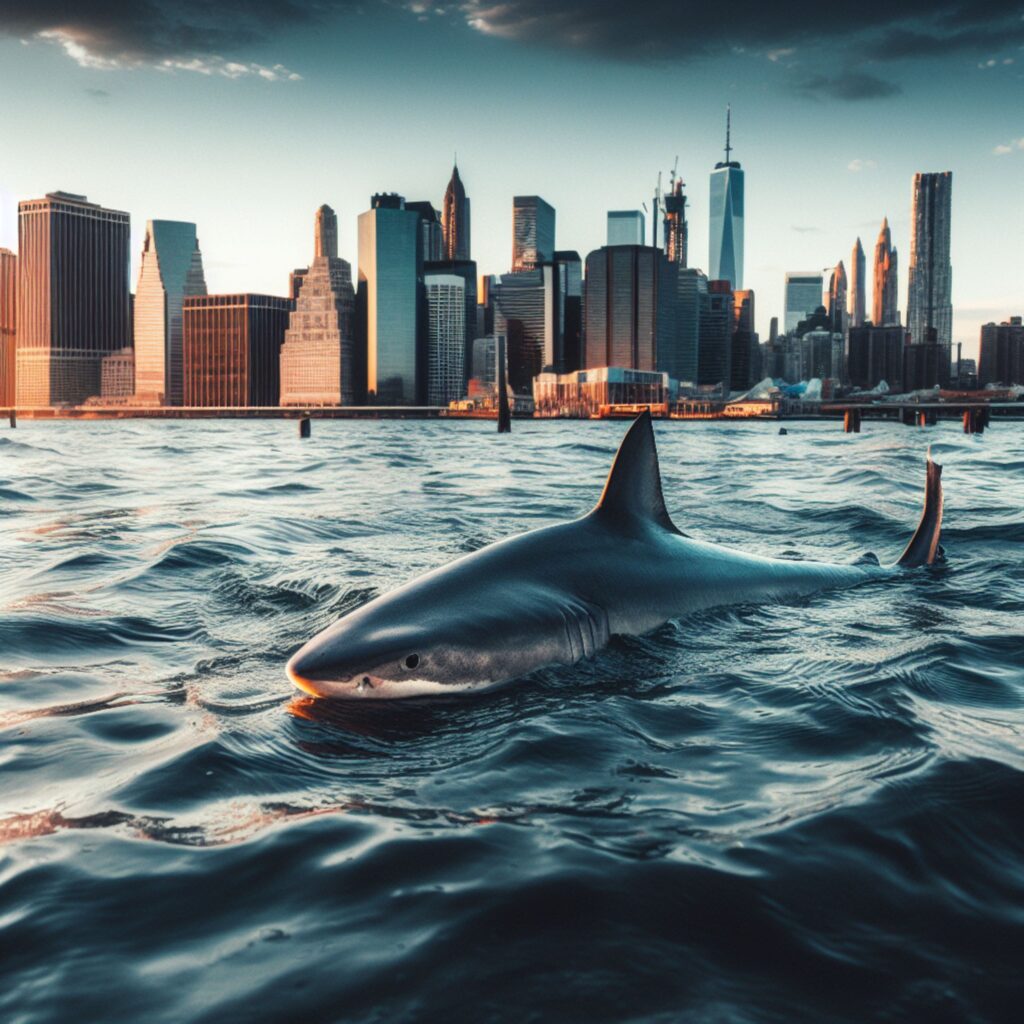
Sharks have long been considered predominantly ocean-dwellers, striking fear and curiosity in the hearts of humans. Often overlooked, however, is their presence in less saline waters, such as estuaries and even rivers. The East River in New York, not a true river but a saltwater tidal estuary, is one such body of water where sharks have been spotted. This waterway, coursing between the boroughs of Manhattan, Brooklyn, and Queens, has had its share of shark sightings, challenging the common perceptions of where these aquatic predators can thrive.
The presence of sharks in the East River may come as a surprise to many, considering the urban setting and the river’s past reputation for pollution. However, conservation efforts and environmental regulations have led to improved water quality, making it more habitable for marine life. Species such as the sand tiger shark, known for its menacing appearance yet generally placid nature towards humans, have been reported. While shark attacks in the East River are exceedingly rare, the sightings reflect a broader ecological narrative of adaptability and the interconnectedness of marine ecosystems, even those adjacent to major urban centers.
Ecologists and marine biologists utilize these sightings to deepen their understanding of shark behavior and the health of aquatic ecosystems. Monitoring these unexpected guests in the East River can provide valuable insights into the complexities of marine migration patterns and the roles sharks play in local food webs. Such observations also underscore the importance of maintaining and improving the waterways around densely populated areas, not only for the sake of human recreation and commerce but also for the diverse wildlife that may call these spaces home, however temporarily.
Shark Species of the East River

The East River is home to various shark species, some of which are migratory apex predators, while others are more commonly found in the coastal waters of the Atlantic. Understanding the specific species that traverse these waters is crucial for conservation efforts and public awareness.
White Sharks and Their Migrations
White sharks, also commonly referred to as great white sharks, are occasional visitors to the East River. They are known for their long-distance migrations that can span from the deep ocean to coastal areas, following prey like seals or schools of fish. Tracking studies suggest that white sharks may use the East River as a navigational path during migrations, rather than as a primary habitat.
Sand Tiger and Other Coastal Shark Species
In contrast to the migratory patterns of great white sharks, the East River sees a variety of more resident coastal shark species. Among these, the sand tiger shark stands out due to its benthic hunting habits and preference for estuarine environments. Research indicates that these sharks are less inclined to long migrations, making them a more consistent component of the East River’s marine ecosystem. Alongside sand tiger sharks, other species such as Atlantic Sharpnose and Blacktip sharks have also been identified in nearby waters, denoting a biodiverse shark population within the river’s vicinity.
Human and Shark Interactions in Urban Waters
In the bustling waters of the East River, alongside the iconic New York City skyline, the interactions between humans and sharks have become an increasingly relevant concern. With the intersecting interests of public safety and ecological balance, this section explores the delicate relationship between shark populations and the urban populace.
Shark Sightings and Public Safety Measures
Shark sightings in urban areas, particularly around the busy waterways of New York, have prompted local authorities and communities to exercise caution and adopt specific safety protocols. Notably, New York beaches, including those on Coney Island and the South Shore, have seen instances where beachgoers are alerted by apps and social media platforms like Twitter to the presence of sharks. NBC News and other media often report these sightings, especially during the summer season, when interaction probability increases.
Agencies like the New York City Parks Department work with experts to ensure water quality and supervise areas known for wildlife activity, including the presence of seals and bait fish, which attract sharks. There is a concerted effort to maintain a safe environment for New Yorkers enjoying recreational activities such as fishing, swimming, and baseball games near waterfronts.
Research and Conservation Efforts
The conservation of sharks as key ocean predators is vital for maintaining the ecological balance. Organizations like the Shark Research Institute conduct studies in regions like the Atlantic Ocean and Long Island Sound to better understand shark behavior and population dynamics. Experts utilize GPS tracking to follow migratory patterns and habitat use of species such as the sand tiger sharks and the migratory shortfin mako shark.
Research in urban waters, including off the coastlines of Brooklyn, Manhattan, Fire Island, and the New Jersey shores, often highlights changes in shark populations. Conservationists and nonprofit organizations advocate for responsible practices and the protection of marine life, stressing the importance of sharks in maintaining the balance of the East Coast marine systems. Seasonal trends, often leading to increased encounters near Montauk and Jones Beach, are carefully studied to advise when to exercise caution and respect the natural behavior of sharks.


Add comment