

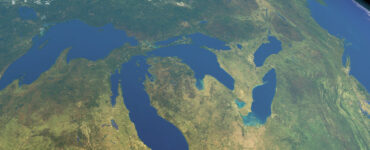
The Ironton shipwreck is a fascinating piece of maritime history, discovered at the bottom of Lake Huron, one of the Great Lakes in North America. Located near Michigan, the shipwreck offers an intriguing glimpse into the past and has drawn the attention of historians, researchers, and diving enthusiasts alike. The ship was a 19th-century sailing vessel that met its unfortunate end in the treacherous waters in 1894.
Lake Huron is known for its rich collection of shipwrecks, which are now protected by the Thunder Bay National Marine Sanctuary. This underwater preserve, also called “Shipwreck Alley,” was established to protect and promote the numerous shipwrecks that dot the lake’s floor. Over the years, efforts to locate and document these sunken vessels have relied on advanced technology, such as the University of New Hampshire’s autonomous surface vehicle (ASV) named BEN (Bathymetric Explorer and Navigator), which played a key role in the discovery of the Ironton shipwreck.
The significance of the Ironton and other shipwrecks in Lake Huron cannot be understated as they reveal crucial insights into the history, navigation, shipbuilding techniques, and the harsh conditions faced by mariners in the Great Lakes region. Researchers and archaeologists continue to study these submerged relics, contributing valuable understanding to our collective knowledge of maritime history in this part of the world.
The Ironton and Its Final Voyage
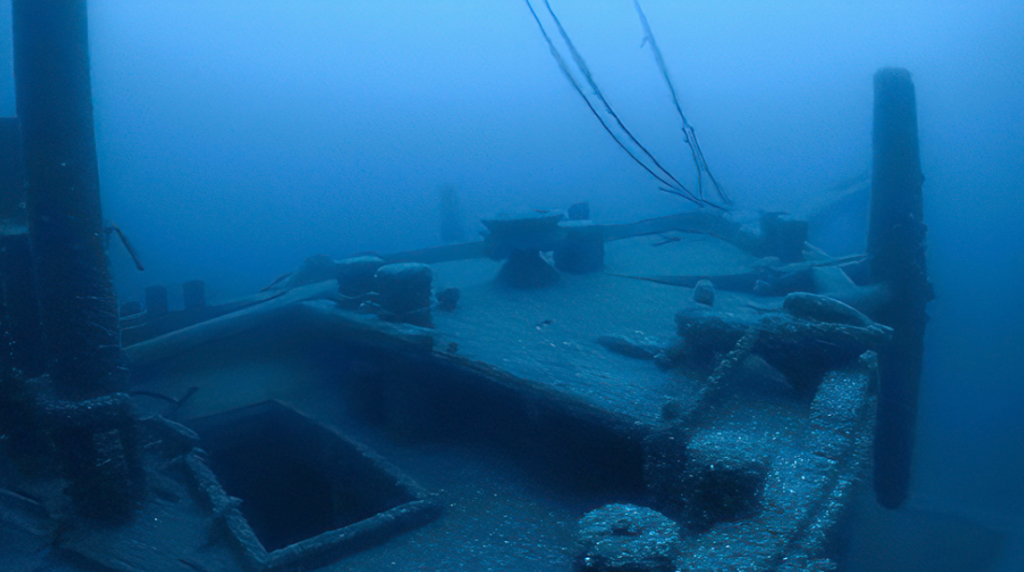
The Ironton was a significant vessel during the era of Great Lakes trade. Built in 1885, this schooner-barge played a crucial role in transporting iron ore from the mines of Lake Superior to industries in other regions. The ship was an essential part of the trading system that fueled the growth of Michigan and other surrounding states.
The Fateful Collision
In October 1894, tragedy struck when the Ironton was involved in a collision with another vessel named Charles Hebard on Lake Huron. The two ships were navigating through dense fog when the accident occurred. The Ironton’s rigging got entangled with the Charles Hebard, and its anchor tore a massive hole in its hull, resulting in a rapid flood.
Despite brave efforts by the crew members to prevent the ship from sinking, the Ironton ultimately succumbed to the damage and sank to the bottom of Lake Huron. Fortunately, there were no fatalities with the entire crew managing to abandon ship in time.
Discovery and Exploration
The Ironton’s shipwreck, along with many others in the area, had long been a subject of interest for researchers and underwater explorers. It wasn’t until a joint effort from the Ocean Exploration Trust, National Oceanic and Atmospheric Administration (NOAA), and famed explorer, Robert Ballard, that the shipwreck was discovered.
Located in Thunder Bay National Marine Sanctuary, the Ironton shipwreck now offers insights into the rich maritime history of the Great Lakes. Survey and exploration of the wreckage continue to provide information on shipbuilding techniques, trade patterns, and stories of the perilous life at sea during the late 19th century.
Impact and Preservation

The Thunder Bay National Marine Sanctuary plays a crucial role in preserving the ironton shipwreck in Lake Huron. Established in 2000, the sanctuary covers 4,300 square miles and protects more than 200 shipwrecks, including schooners, steamers, and other vessels from Great Lakes commerce. The sanctuary’s efforts have ensured the continued study and safeguarding of these underwater wrecks for future generations.
Through collaboration with underwater archaeologists and technicians, the sanctuary has mapped the wreckage in detail, enabling further research into maritime history. Furthermore, it has aided in modern navigation and weather forecasting in the Great Lakes region, thus preventing future accidents and preserving the sanctity of these sites.
Legacy on Local Communities
The ironton shipwreck and other maritime treasures in Lake Huron hold great significance for local communities such as Alpena, Marquette, and Presque Isle. The shipwrecks serve as a tangible connection to the area’s heritage and the extended families of those who lived and worked on these vessels.
The Great Lakes Maritime Heritage Center in Alpena showcases the ironton shipwreck’s cultural and historical impact through exhibits, educational programs, and outreach activities. This involvement has helped create awareness and appreciation for the region’s rich maritime past among both residents and visitors.
Maritime Archaeology and Research
Exploration and documentation of the ironton shipwreck have provided invaluable insights into different aspects of Great Lakes commerce and navigation. Underwater archaeologists, historians, and shipwreck hunters have delved into the wreckage, studying the cargo, human remains, and other artifacts to reconstruct a vivid picture of life on board and the circumstances surrounding the ship’s tragic end.
Researchers from institutions such as the William Parry Maritime Institute have conducted extensive investigations into the ship’s construction, materials, and load capacity. Their findings have been crucial in understanding the role of schooners and steamers in connecting communities across the Great Lakes and Straits of Mackinac.


Add comment