
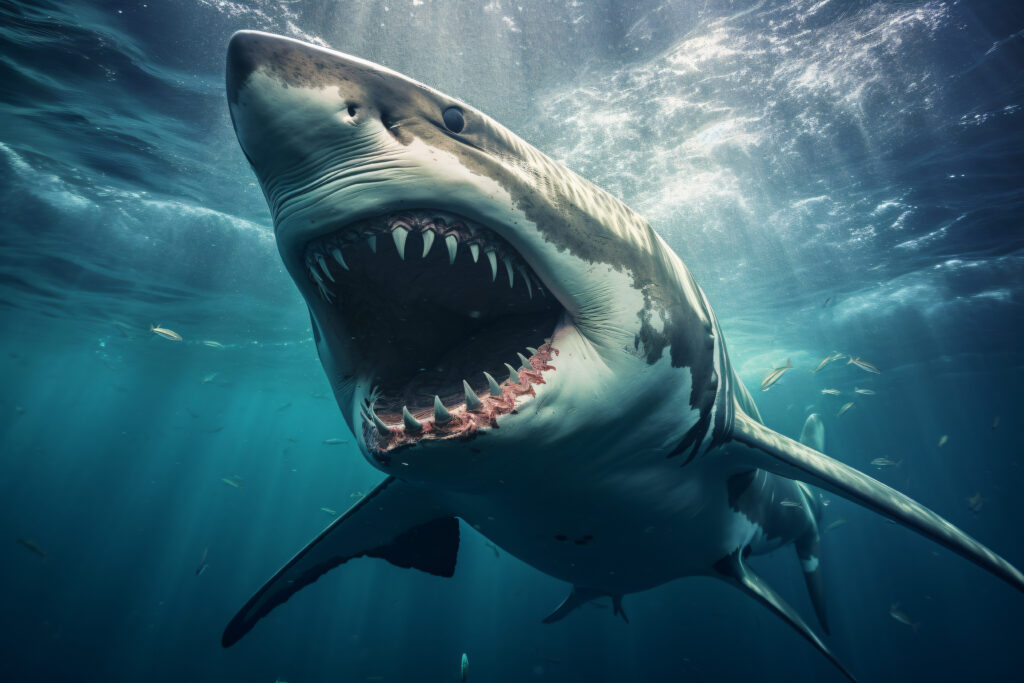
Lake Huron, one of the Great Lakes, has been the subject of much curiosity and fascination over the years, with many wondering about the possible presence of sharks in its waters. Although sharks are primarily associated with oceanic habitats, there have been instances where certain species, such as the bull shark, have been known to venture into freshwater environments. This has led to various sightings and rumors surrounding sharks in not just Lake Huron, but also the other Great Lakes, including Lake Erie, Lake Ontario, and Lake Superior.
However, evidence for the presence of sharks in Lake Huron is scarce, and many of these reported sightings often turn out to be hoaxes. It is essential to approach these claims with a skeptical mindset and rely on scientific research to determine the validity of such encounters. In general, the Great Lakes do not provide suitable habitats for sharks, as these marine creatures require the specific conditions of saltwater ecosystems to thrive.
As for the potential risk of a shark attack in Lake Huron or any of the Great Lakes, the chances are extremely low. Most shark species are not found in freshwater, and even the occasional bull shark sightings in rivers or lakes are rare. Therefore, visitors to Lake Huron can confidently enjoy the natural beauty and recreational activities this magnificent body of water offers without being overly concerned about encounters with sharks.
Shark Ecology in Freshwater Environments

Sharks are typically associated with marine environments, but a few species have evolved to thrive in freshwater habitats. As apex predators, their presence greatly impacts the ecosystem. The ability of these sharks to survive in freshwater lakes and rivers is due in part to their specialized physiological adaptations. One such adaptation is the ability to regulate their blood’s salt concentration, allowing them to maintain osmoregulatory balance in freshwater environments.
Another key adaptation of freshwater sharks is their flexible diet. They can be robust and opportunistic predators, efficiently seizing fish and other prey as they become available. A study on the trophic ecology of small-bodied sharks shows their resilience to environmental change, which is crucial for their survival in various environments.
Shark Species Potentially Habiting the Great Lakes
The Great Lakes are the largest group of freshwater lakes on Earth by total area, serving as home to diverse ecosystems. While there are no known shark species that naturally inhabit the Great Lakes, the Bull Shark (Carcharhinus leucas) is one species that has been known to venture into freshwater habitats, including rivers and lakes.
It is important to note that sightings of sharks in the Great Lakes are extremely rare and often unsubstantiated. Nevertheless, the potential presence of bull sharks in these freshwater environments is a topic of great interest for both the scientific community and the general public.
Bull sharks are unique among shark species due to their ability to:
- Regulate their blood’s salt concentration
- Travel long distances in freshwater
- Adapt to the diverse prey found in freshwater ecosystems
While bull sharks constitute an invasive species if found in the Great Lakes, their presence could influence the lake ecology by introducing a new apex predator. This may have implications on conservation efforts, as ecosystems can be significantly altered by the introduction of novel predators. However, it is crucial to gather more data and understand the numerous factors involved in shark presence or survival in these freshwater habitats.
Investigating Shark Presence in Lake Huron
Some people claim to have seen sharks in Lake Huron, but it is important to consider the possibility of misidentifications due to fear or excitement. In these cases, other large fish species might be mistakenly identified as sharks. Rumors of shark attacks in the Great Lakes often turn out to be hoaxes or exaggerations. For instance, George Lawson’s story of a Lake Michigan shark attack in 1955 was debunked by the National Geographic.
Notable reported incidents:
- Great Lakes Fishery Commission archived records from fishermen mentioning large, shark-like fish in Lake Huron (1950s).
- Associated Press reported an alleged bull shark sighting in Lake Huron (1999), later identified as a type of sturgeon.
- Shedd Aquarium researchers found damaged fish consistent with a predator in Lake Huron, but could not confirm a shark (2000).
Scientific Research and Expert Analysis
Scientists and researchers have found little to no evidence supporting the presence of sharks in the Great Lakes. Water temperature and other environmental factors make the likelihood of sharks in the Great Lakes extremely low. Although bull sharks can tolerate lower salinity levels, the water temperature in the Great Lakes is generally too cold for their survival.
Key findings:
- Research by Shedd Aquarium and Great Lakes Fishery Commission found no concrete evidence of sharks in Lake Huron.
- National Geographic experts suggest that misidentifications of other fish species as sharks are likely the cause of any sightings.
- Lake sturgeon, a native fish species in the Great Lakes, have similar features to sharks and might cause confusion.
Conservation and ecosystem
Although the presence of sharks in Lake Huron is unlikely, conserving native fish species and their ecosystems is essential. Local fishermen and researchers continue to work together to monitor the fish populations and water quality in the Great Lakes, ensuring a healthy and balanced ecosystem.


Add comment