
Dolphins and porpoises are often confused due to their similar appearance, but they are two distinct species of marine mammals. While they share some characteristics, there are also several differences between the two animals.

Understanding the differences between dolphins and porpoises is important for both scientists and the general public. By studying these animals, researchers can gain a better understanding of the marine ecosystem and how different species interact with each other.
For the general public, knowing the differences between dolphins and porpoises can help promote conservation efforts and ensure that these animals are protected for future generations to enjoy.
Physical Characteristics

Dolphins and porpoises are both aquatic mammals and share many physical characteristics. However, there are some key differences in their size and shape.
Dolphins are generally larger than porpoises, with some species growing up to 30 feet in length, while porpoises usually only reach about 6 feet in length.
Additionally, dolphins have a more streamlined body shape, while porpoises have a more robust and rounded body.
Dorsal Fins
Another key difference between dolphins and porpoises is their dorsal fins. Dolphins have a curved dorsal fin that is typically taller and more prominent than that of a porpoise.
Porpoises, on the other hand, have a triangular dorsal fin that is smaller and less prominent.
Teeth
One of the most noticeable differences between dolphins and porpoises is their teeth. Dolphins have conical teeth that are sharp and pointed, while porpoises have spade-shaped teeth that are flatter and broader.
This difference in tooth shape is thought to reflect differences in their diets, with dolphins primarily eating fish and porpoises feeding on smaller prey like squid.
Beaks
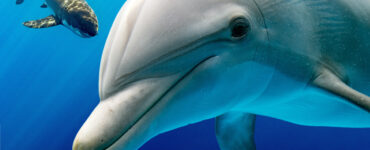
Dolphins and porpoises also differ in the shape of their beaks. Dolphins have a longer, more pointed beak, while porpoises have a shorter, blunter beak.
This difference in beak shape is thought to reflect differences in their feeding strategies, with dolphins using their longer beaks to catch faster-swimming fish and porpoises using their blunter beaks to catch slower-moving prey.
Habitat and Distribution

Dolphins and porpoises can be found in oceans and rivers all over the world. However, they tend to prefer different locations.
Dolphins are generally found in warmer, tropical waters, while porpoises prefer cooler, temperate waters.
Habitat
Dolphins and porpoises have different habitat preferences as well. Dolphins tend to prefer shallow waters near the coast, while porpoises can be found in deeper waters farther from shore.
Climate change and habitat loss are both major threats to dolphin and porpoise populations. Rising sea temperatures and changing ocean currents can disrupt their habitat and food sources, while human activity such as overfishing and pollution can destroy their habitats and harm their health.
In order to protect these animals, it is important to monitor their populations and protect their habitats.
Conservation efforts such as marine protected areas can help to ensure that dolphins and porpoises have the space and resources they need to thrive.
Behavior and Communication
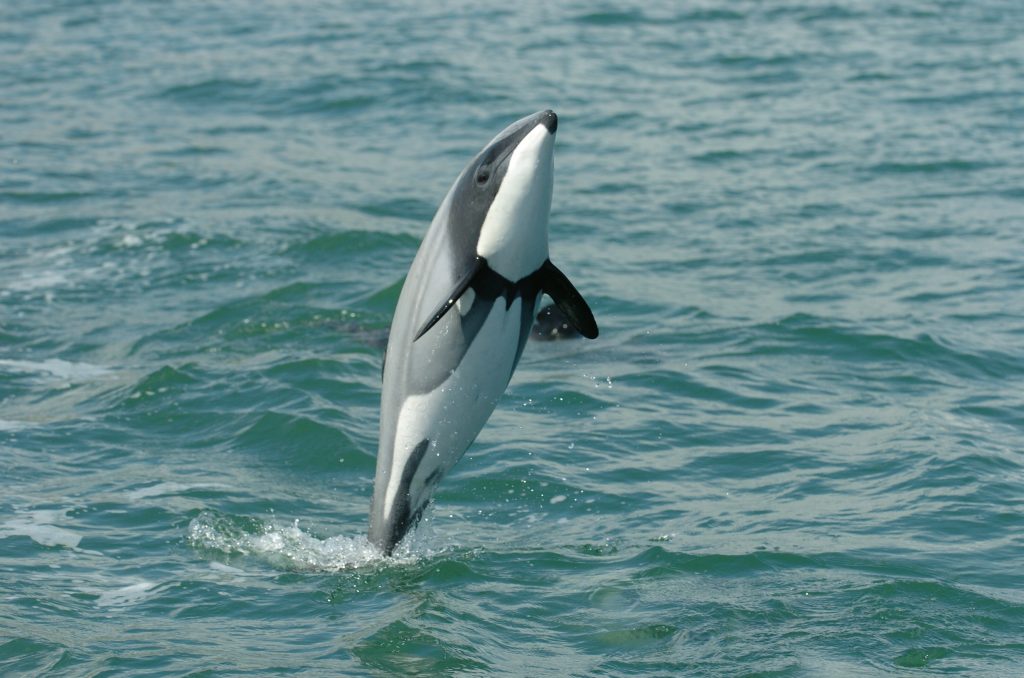
Dolphins and porpoises are both highly social animals, but their social behavior differs. Dolphins are more gregarious and tend to live in larger groups, while porpoises are more solitary and typically live in smaller groups.
Dolphins are also known to be more playful and curious than porpoises.
Echolocation
Both dolphins and porpoises use echolocation to navigate and locate prey. However, there are differences in the way they use echolocation.
Dolphins have a more complex system of echolocation, with a greater number of clicks and whistles that they use for communication and social interaction.
Porpoises, on the other hand, have a simpler system of echolocation, with fewer clicks and whistles.
Vocalizations
Dolphins and porpoises both use vocalizations to communicate with each other. However, there are differences in the types of sounds they make.
Dolphins use a wider range of vocalizations, including clicks, whistles, and burst-pulsed sounds, which they use for communication and social interaction.
Porpoises, on the other hand, use a more limited range of vocalizations, mainly consisting of clicks and whistles.
Diet and Hunting
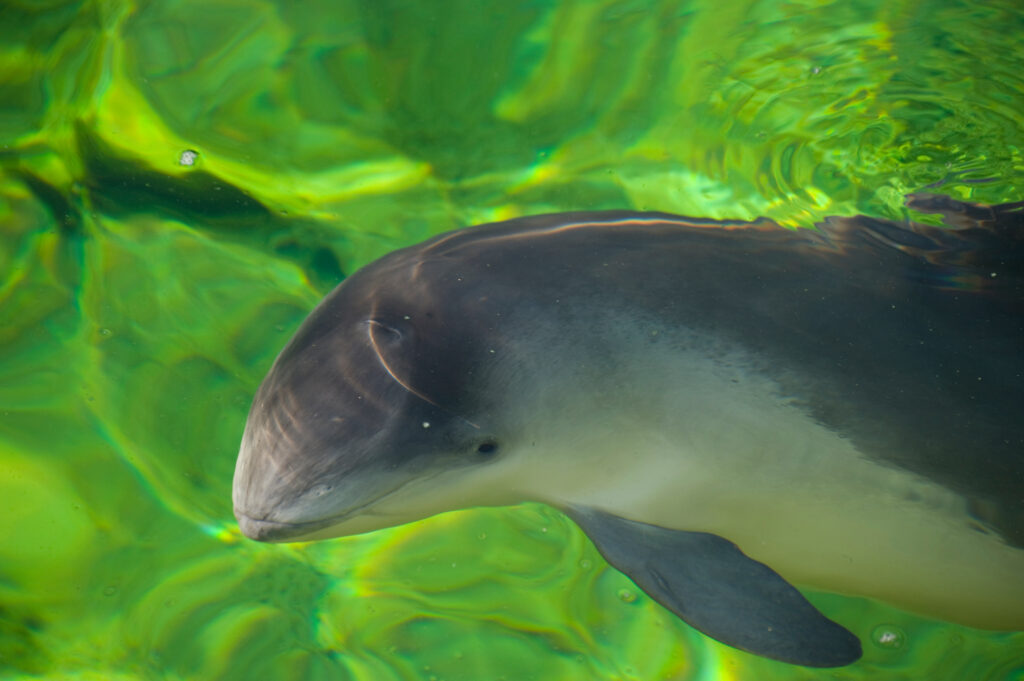
Dolphins and porpoises are carnivores and primarily feed on fish, squid, and other small marine animals.
However, their preferred prey can differ based on the species, location, and availability of food. For example, some species of dolphins, such as the bottlenose dolphin, may also feed on shrimp and crabs.
Porpoises, on the other hand, have a more limited diet and tend to feed on smaller fish and squid. They have been known to eat herring, cod, and whiting, among other species.
Predators
Dolphins and porpoises are also preyed upon by larger marine predators such as sharks. Some species of sharks, such as the great white shark, are known to feed on dolphins.
In addition, dolphins and porpoises are also at risk of being hunted by humans for their meat and blubber.
Reproduction and Lifespan

Dolphins and porpoises are both mammals and give birth to live young. Female dolphins and porpoises carry their young for a period of time before giving birth.
Gestation Period
The gestation period for dolphins and porpoises varies depending on the species. For example, bottlenose dolphins have a gestation period of about 12 months, while harbor porpoises have a gestation period of around 11 months.
Calves
After giving birth, female dolphins and porpoises nurse their young with milk. Calves typically stay with their mothers for several years before becoming independent.
The lifespan of dolphins and porpoises also varies depending on the species.
Some species, such as the common dolphin, can live up to 60 years, while others, such as the harbor porpoise, have a lifespan of around 20 years.
Conservation and Threats

Pollution is a major threat to the survival of both dolphins and porpoises. These marine mammals are particularly vulnerable to environmental contaminants, such as heavy metals, pesticides, and plastics.
Exposure to these pollutants can have serious health consequences, including reproductive failure, immune system suppression, and cancer.
The National Oceanic and Atmospheric Administration (NOAA) has identified pollution as a significant threat to the survival of marine mammals, including dolphins and porpoises.
In response, NOAA has implemented a number of programs aimed at reducing pollution in marine environments.
Fishing Gear
Fishing gear, such as nets and lines, can pose a serious threat to the survival of dolphins and porpoises.
These marine mammals can become entangled in fishing gear, which can lead to injury or death. Dolphins and porpoises can also become trapped in fishing gear, preventing them from surfacing to breathe.
NOAA has implemented a number of programs aimed at reducing the impact of fishing gear on dolphins and porpoises.
These programs include the development of new fishing gear designs that are less likely to entangle marine mammals, as well as the implementation of regulations aimed at reducing the use of harmful fishing gear.
Ship Strikes
Ship strikes are a significant threat to the survival of dolphins and porpoises. These marine mammals can be struck by ships, leading to injury or death.
The risk of ship strikes is particularly high in areas with heavy shipping traffic, such as ports and shipping lanes.
To address this threat, NOAA has implemented a number of programs aimed at reducing the risk of ship strikes.
These programs include the development of new shipping routes that avoid areas with high concentrations of marine mammals, as well as the implementation of regulations aimed at reducing the speed of ships in areas where marine mammals are present.
Entanglement
Entanglement in debris, such as plastic bags and fishing gear, is a significant threat to the survival of dolphins and porpoises.
Entanglement can lead to injury or death, as well as prevent the marine mammal from surfacing to breathe.
NOAA has implemented a number of programs aimed at reducing the impact of debris on dolphins and porpoises.
These programs include the development of new debris removal technologies, as well as the implementation of regulations aimed at reducing the amount of debris in marine environments.
Specific Species
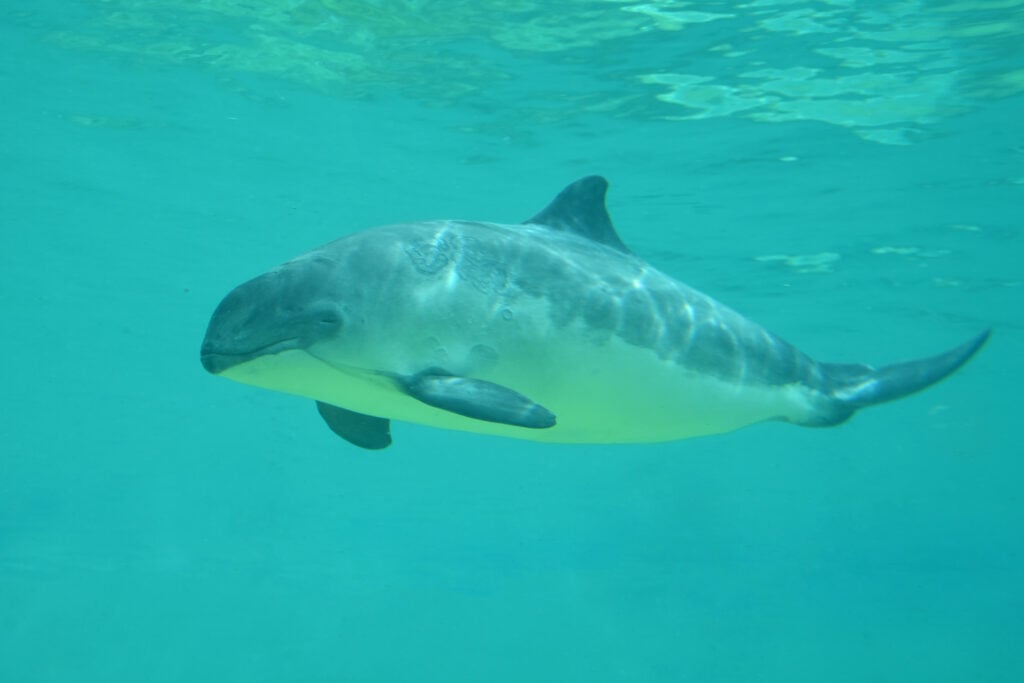
Harbor Porpoise
The harbor porpoise is one of the smallest cetaceans, measuring up to 1.5 meters in length and weighing up to 75 kg.
They are found in coastal waters of the Northern Hemisphere and are known for their distinctive small triangular dorsal fin.
Harbor porpoises are opportunistic feeders, consuming a variety of small fish and squid.
They are also known to be sensitive to noise pollution and are often affected by human activities such as shipping and underwater construction.
Killer Whale
The killer whale, also known as orca, is the largest member of the dolphin family. They are found in all oceans and are known for their distinctive black and white coloration.
Killer whales are apex predators and are known to feed on a variety of prey, including fish, squid, and marine mammals such as seals and even other whales.
They are highly social animals and live in pods that can number up to 40 individuals.
River Dolphin
River dolphins are a group of freshwater dolphins that are found in rivers and estuaries in South America and Asia.
They are relatively small, measuring up to 2.5 meters in length and weighing up to 150 kg. River dolphins are known for their long snouts, which they use to catch fish and other prey in murky waters.
They are also highly endangered, with many populations threatened by habitat loss and pollution.
Pilot Whale
Pilot whales are a type of blackfish that are found in all oceans. They are highly social animals and live in pods that can number up to 100 individuals.
Pilot whales are known for their distinctive bulbous heads and are often confused with killer whales due to their similar appearance.
They are opportunistic feeders, consuming a variety of prey including squid, fish, and even birds.
Vaquita
The vaquita is the smallest and most endangered porpoise species. They are found only in the Gulf of California and are known for their distinctive black circles around their eyes and mouth.
Vaquitas are critically endangered, with only around 10 individuals remaining in the wild.
They are threatened by illegal fishing practices, such as gillnetting, which often results in accidental entanglement and death.
Spectacled Porpoise
The spectacled porpoise is a small, little-known species that is found in the southern hemisphere.
They are named for the distinctive white rings around their eyes, which give them a “spectacled” appearance.
Spectacled porpoises are known to feed on a variety of prey, including squid and fish.
Finless Porpoise
The finless porpoise is a small, toothed whale that is found in coastal waters of the Indo-Pacific.
They are named for their lack of a dorsal fin, which gives them a distinctive appearance. Finless porpoises are known to feed on a variety of prey, including fish and squid.
Burmeister’s Porpoise
Burmeister’s porpoise is a small, little-known species that is found in coastal waters of South America.
They are named for the German naturalist Hermann Burmeister, who first described the species in the 1860s.
Burmeister’s porpoises are known to feed on a variety of prey, including fish and squid.
Dalls Porpoise
Dall’s porpoise is a small, toothed whale that is found in the North Pacific. They are named after the American naturalist William Healey Dall, who first described the species in the late 1800s.
Dall’s porpoises are known for their distinctive black and white coloration and are often mistaken for killer whales.
South Asian River Dolphin
The South Asian river dolphin, also known as the Ganges river dolphin, is a freshwater dolphin that is found in rivers and estuaries in South Asia. They are known for their long, slender snouts, which they use to catch fish and other prey.
South Asian river dolphins are highly endangered, with many populations threatened by habitat loss and pollution.
Frequently Asked Questions
How can you tell the difference between a dolphin and a porpoise?
Dolphins and porpoises are both marine mammals that belong to the same family, but they have several differences that set them apart. One way to tell them apart is by looking at their dorsal fins. Dolphins have a curved dorsal fin, while porpoises have a triangular dorsal fin.
What are the physical differences between dolphins and porpoises?
Aside from their dorsal fins, dolphins and porpoises also have different body shapes. Dolphins have longer snouts, while porpoises have shorter, more rounded snouts. Dolphins are also generally larger than porpoises.
Do dolphins and porpoises have different behaviors?
While both dolphins and porpoises are intelligent and social animals, they do have some differences in behavior. Dolphins are known for their acrobatic displays, such as jumping out of the water and spinning in the air. Porpoises, on the other hand, are more shy and tend to avoid boats and people.
What are the differences in the teeth of dolphins and porpoises?
Another way to tell dolphins and porpoises apart is by looking at their teeth. Dolphins have cone-shaped teeth, while porpoises have spade-shaped teeth. Dolphins also have more teeth than porpoises.
Are dolphins and porpoises different species?
Yes, dolphins and porpoises are different species. There are over 40 species of dolphins, while there are only 6 species of porpoises.
Can dolphins and porpoises interbreed?
No, dolphins and porpoises cannot interbreed because they belong to different genera. Dolphins belong to the genus Delphinus, while porpoises belong to the genus Phocoena.




Add comment