
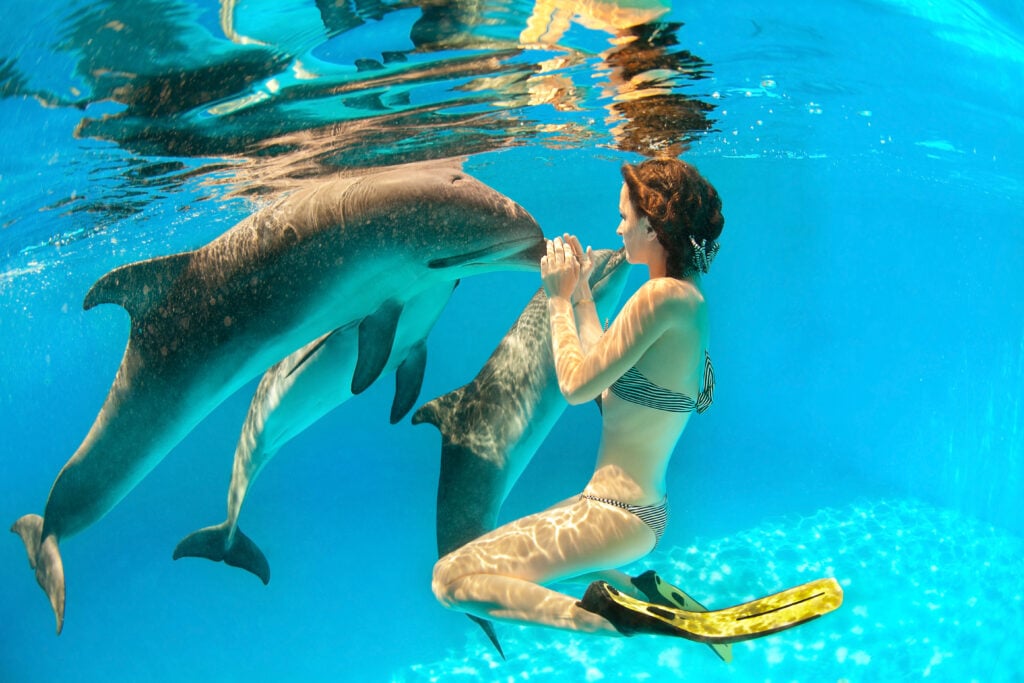
Swimming with dolphins offers a unique and unforgettable experience that allows individuals to interact closely with these intelligent and playful marine mammals. The activity has gained popularity worldwide, drawing nature enthusiasts and adventure seekers alike to various destinations known for their dolphin populations. Each location provides a distinct encounter with dolphins, taking into account the local environment, species of dolphins, and regulations that aim to ensure both human safety and marine life conservation.
Choosing the right location for swimming with dolphins can also depend on the type of interaction desired. Some places offer the chance to observe dolphins in their natural habitat from a respectful distance, while others may permit a more immersive experience, under strict supervision, allowing individuals to swim alongside these graceful creatures. Whether it’s in the clear waters of the Azores or the vibrant coasts of Mozambique, the experience is enriched by adhering to responsible wildlife tourism guidelines, which can enhance the well-being of both humans and dolphins.
Understanding Dolphins

Before swimming with dolphins, it is vital to recognize the complexity of these marine mammals, which includes their diverse species, behaviors, habitats, and how they distribute themselves in the ocean.
Dolphin Species and Behavior
there are numerous species of dolphins, with the bottlenose dolphin being the most renowned and familiar due to its widespread presence in both the wild and marine parks. Another prominent species is the common dolphin, known for its striking patterns and speed. Spinner dolphins are admired for their acrobatic spins out of water, while risso’s dolphins and Atlantic spotted dolphins also captivate with their unique characteristics. Dolphins are highly social creatures, typically living in groups known as pods. Their behaviors include hunting cooperatively, communicating with intricate vocalizations, and exhibiting complex social interactions.
Dolphin Habitats and Distribution
Dolphins inhabit a wide range of aquatic environments, from the shallows of coastal areas to the depths of the open sea. As highly adaptable mammals, they can be found in most of the world’s oceans and even in some significant rivers. For instance, the bottlenose dolphins are commonly found in warm and temperate waters globally. In contrast, species like the common and spinner dolphins often dwell in pelagic waters. Dolphins’ distribution is generally affected by water temperature, salinity, depth, and the availability of prey.
Best Destinations for Swimming With Dolphins
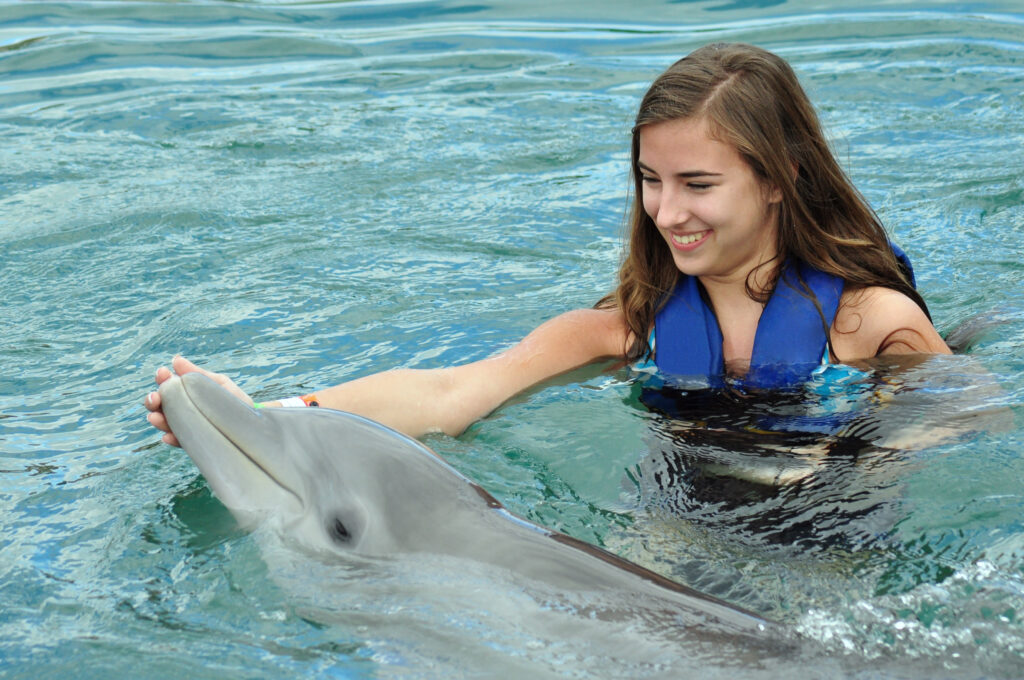
Dolphin swims offer unforgettable experiences with some of the most intelligent creatures in the ocean. The following destinations are known for their exceptional opportunities to interact with dolphins in their natural habitats or in responsibly-managed facilities.
Swimming with Dolphins in the Bahamas
The Bahamas is a prime location for swimming with bottlenose dolphins. The clear waters of the Atlantic Ocean provide excellent visibility for these encounters. Dolphin Cay at the Atlantis Resort on Paradise Island offers a well-structured program that allows visitors to swim with dolphins in a large, state-of-the-art habitat that supports a rehabilitation and education mission.
Dolphin Encounters in Hawaii
Hawaii’s warm waters are home to a variety of dolphin species, including the acrobatic spinner dolphin. Multiple islands provide the chance for these encounters, with the area around the Big Island being particularly notable. Wild dolphin swims can occur in the open ocean, which may allow for sightings of dolphins in their natural social groups.
Mexico’s Best Dolphin Experiences
Mexico boasts several locations where dolphin encounters can take place, including Cozumel, Mexico and the Riviera Maya. Dolphinaris Cozumel offers interactive programs where tourists can swim and play with dolphins in large saltwater pools. For an experience with wild dolphins, the crystal-clear Caribbean waters at the coast of the Riviera Maya are ideal for snorkelers and divers looking for an authentic encounter.
Ethical and Safe Dolphin Interactions
Responsible practices ensure that human encounters with dolphins are enjoyable without compromising the well-being of these intelligent marine creatures. Following established guidelines and emphasizing conservation can enhance the experience of swimming with dolphins in their natural habitat.
Guidelines for Swimming with Dolphins
When considering a swim-with-dolphins program, participants should ensure that the activity prioritizes animal welfare. Programs should encourage behaviors that are respectful and do not disturb the dolphins’ natural behaviors. It’s essential to choose operations that are sensitive to a dolphin’s comfort and safety, steering clear of those that promote direct interaction like hugging or feeding, as these can alter the animals’ normal behavior.
- Do: Use a boat to access viewing areas without pursuing dolphins
- Don’t: Chase or attempt to touch dolphins
- Do: Observe dolphins from a safe distance while snorkeling or diving
- Don’t: Use flash photography which can startle or harm dolphins
Supporting Dolphin Conservation
Conservation should be at the heart of any swim-with-dolphins program. Seeking out organizations that contribute to the conservation of dolphins, such as Dolphin Quest, helps support research and protection initiatives. These groups provide educational experiences that highlight the importance of safeguarding dolphins and their habitats.
- Participate: Engage with programs that advocate for marine life conservation
- Learn: Educate oneself about the role of dolphins in marine ecosystems
- Contribute: Opt for experiences that invest a portion of their proceeds back into research and habitat preservation
Interactions with dolphins through ethical swim programs can be both playful and educational, reinforcing the bond between humans and these remarkable marine creatures while fostering a deeper commitment to conservation.





Add comment