

Understanding the differences between tuna and yellowtail is pivotal for both culinary enthusiasts and environmental conservationists.
While both fish are celebrated for their unique tastes and textures, they inhabit diverse aquatic environments and have distinct biological characteristics that influence their roles in ecosystems and on the dinner plate.
Key Takeaways
- Tuna and yellowtail are important marine species with unique anatomical and ecological characteristics.
- Both fish offer valuable nutritional benefits, though they differ in their fatty acid and protein profiles.
- Sustainable fishing practices are crucial for the longevity and health of tuna and yellowtail populations.
Anatomical and Species Differences
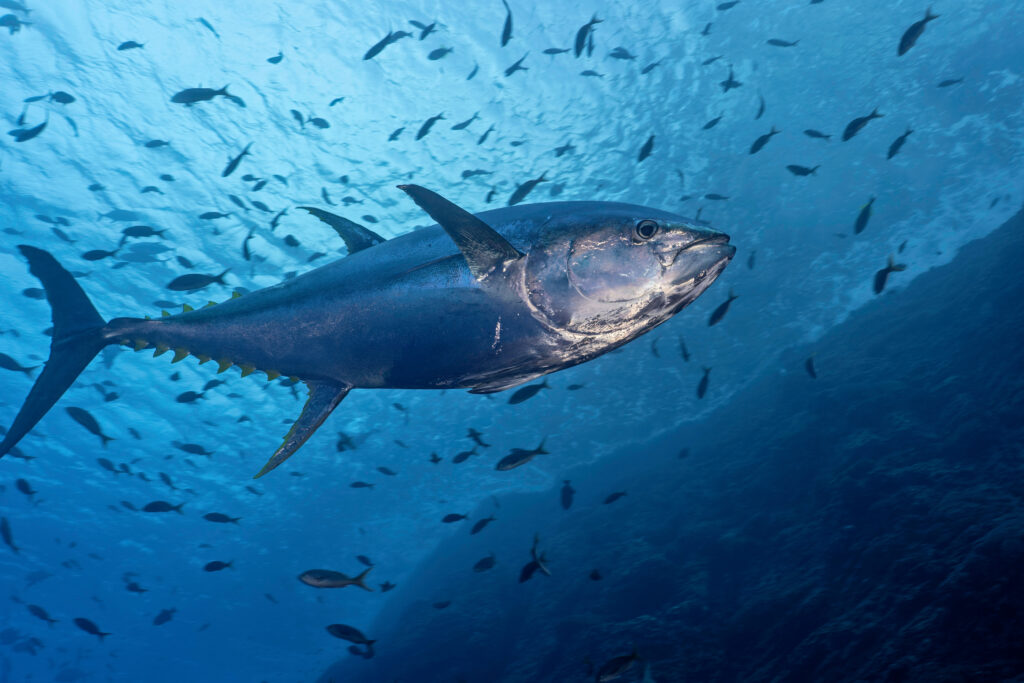
This section elucidates the physical distinctions and diversity between various tuna species and yellowtail varieties, comparing their features across different habitats and regions.
Tuna Species Overview
Tuna are a group of large, migratory fish found in many oceans around the world. Key species include the yellowfin tuna, bluefin tuna, bigeye tuna, skipjack tuna, and albacore tuna, known for their speed and strength.
Yellowtail Varieties
Yellowtail typically refers to several species within the Seriola genus. These include culturally significant varieties such as the Japanese yellowtail or Seriola quinqueradiata, and the California yellowtail, both part of the wider amberjack species cluster.
Physical Characteristics
Tuna are characterized by their streamlined bodies, metallic blue on top, and silver on the underside, adapting them for high-speed swimming. Yellowtail fish, on the other hand, are often identified by their yellowish tail and a dark stripe from the eye to the tail, defining their distinctive appearance.
Tuna:
- Color: Metallic blue to silver
- Length: Up to 2 meters (bluefin tuna)
- Weight: Up to 450 kg (bluefin tuna)
Yellowtail:
- Color: Olive to yellow
- Length: Up to 2.5 meters (Seriola lalandi)
- Weight: Up to 100 kg (Seriola lalandi)
Habitats and Regions
Tunas are typically found in the open waters of the Atlantic, Pacific, and Indian Oceans, often preferring warmer waters. Conversely, yellowtail species such as Seriola reside in both temperate and tropical waters, with some like the California yellowtail frequenting the eastern Pacific region near California and Japan.
Comparison of Features
While both fish are prized for their robust flavor and firm texture, tuna often exhibit a much redder flesh, linked to higher myoglobin content suitable for their oceanic pelagic lifestyle. Yellowtail fish generally have a paler color and a less pronounced flavor profile, although variations like the yellowtail amberjack can offer a richer taste and texture, especially at different anatomical locations.
Nutritional Profiles and Health Benefits

Tuna and yellowtail are rich in protein and essential nutrients, offering a range of health benefits to consumers. Their nutritional profiles include a diverse set of vitamins and minerals, relevant to maintaining various aspects of physical health.
Protein and Vitamin Content
Tuna and yellowtail are excellent sources of high-quality protein, which is vital for muscle building and repair. Specifically, a serving of tuna provides about 25 grams of protein, which supports bodily functions and can contribute to a feeling of fullness. Similarly, yellowtail offers a comparable amount of protein, making these fish a favorable choice for those looking to increase their protein intake.
Both fish are also valuable sources of various B-vitamins:
- Vitamin B2 (Riboflavin): Helps in energy production and red blood cell formation.
- Vitamin B1 (Thiamine): Supports the nervous system and muscle function.
- Vitamin B5 (Pantothenic Acid): Aids in the synthesis of coenzyme A.
- Vitamin B6: Important for brain health and metabolism.
- Vitamin B12: Essential for neurological function and DNA synthesis.
In addition, they provide Vitamin A and Vitamin E, which are crucial for immune health and protecting cells from damage, respectively. Vitamins D and K in these fish help with calcium absorption and blood clotting.
Mineral Concentrations
Both tuna and yellowtail contain a spectrum of minerals critical for health. Iron is one such mineral, important for transporting oxygen in the blood. Selenium, found abundantly in these fish, plays a key role in metabolism and thyroid function. Their phosphorus content contributes to strong bones and teeth, while zinc supports the immune system.
Here’s a breakdown of other vital minerals found in these fish:
- Magnesium: Regulates muscle and nerve function.
- Potassium: Helps maintain proper heart function and regulates fluid balance.
- Calcium: Notably in yellowtail, supports bone health.
- Copper and manganese: Act as cofactors for enzymes.
Health Implications
Regular consumption of tuna and yellowtail can have positive implications for health. The presence of omega-3 fatty acids in these fish is linked to reduced risks of cardiovascular diseases, and can lower LDL cholesterol levels. These fatty acids also support brain health and may reduce the likelihood of Alzheimer’s and dementia.
However, consumers should also be mindful of mercury levels in certain types of tuna, as high mercury intake can lead to mercury poisoning. Yellowtail has comparatively lower mercury levels, making it a safer option for frequent consumption. Both fish can cause scombroid poisoning if not handled properly, underscoring the importance of consuming fresh or adequately preserved products to minimize the risk of foodborne illnesses.
Culinary Uses and Dishes

Tuna and yellowtail are versatile ingredients used in a variety of dishes, from raw sashimi to grilled entrées. They are favored in different cuisines for their distinct flavors and textures.
Preparation Methods
Tuna—which includes species like yellowfin, bluefin, bigeye, and albacore—often features in Japanese cuisine and can be prepared through methods like grilling, making tempura, or serving raw as sashimi or in poke bowls. Grilled tuna, often marinated, is celebrated for its firm texture and meat-like quality.
Yellowtail, particularly the variety known as hamachi, is a staple at the sushi bar. It’s commonly served as sashimi or sushi and can be lightly grilled or used in cooked dishes. The preparation method for yellowtail fish enhances its mild flavor and buttery texture.
Popular Dishes and Cuisines
Ahi, a term that refers to yellowfin or bigeye tuna, is a key ingredient in poke, a Hawaiian dish with Japanese influences that also utilizes soy sauce, citrus, and avocado. These species of tuna are also popular in Italian and French cuisines.
Yellowtail fish, or hamachi, shines in sushi and sashimi plates, where its delicate taste is complemented by simple flavors such as soy sauce or a hint of citrus. It is a signature dish in many Japanese restaurants and often served with a side of avocado to balance its richness.
Flavor Pairings
Both tuna and yellowtail pair well with bold and subtle flavors. Soy sauce, citrus, and avocado are common accompaniments that enhance the natural flavors of the fish without overpowering them.
- Bluefin tuna, known for its intense flavor, pairs well with grilled vegetables or in a tempura setting where the batter’s crispness contrasts the fish’s tenderness.
- Yellowtail can be complemented by a range of flavors from soy sauce to avocado, creating a balance between the fish’s butteriness and the accompaniment’s freshness or umami.
Using these preparation methods, dishes, and flavor pairings, tuna and yellowtail can be enjoyed in various ways, each bringing its own unique qualities to the culinary experience.
Fishing, Conservation, and Sustainability

Fishing practices and conservation status are critical aspects when discussing the sustainability of both tuna and yellowtail species. With various types of tuna, including Atlantic bluefin, Pacific bluefin tuna, and southern bluefin, alongside yellowtail, the implications on marine ecosystems and future stock health are significant.
Fishing Practices
Tuna and Yellowtail are subject to diverse fishing methods, impacting their populations and the marine environment differently. For instance, the Eastern Pacific Ocean has seen management measures for yellowfin tuna, often caught using methods that pose risks to dolphin populations; however, measures have been taken to reduce this impact. Meanwhile, fishing for tuna species can involve techniques such as long-lining and purse seining, with the latter sometimes leading to bycatch of non-target species.
- Atlantic Bluefin Tuna: Often targeted by commercial fisheries due to their value, leading to overfishing concerns.
- Pacific and Southern Bluefin Tuna: These species are also in high demand, with strict quotas set to ensure their sustainability.
- Yellowtail: Targeted by both commercial and sports fishermen, with various methods used to catch this popular game fish.
Conservation Status
The conservation status of these fish varies, with several species of tuna being overfished and some on the verge of endangerment.
- Atlantic Bluefin Tuna: Listed as Endangered due to past overfishing, although recent efforts have improved their status.
- Pacific Bluefin Tuna: It is currently overfished; however, there is cautious optimism about stock recovery due to management measures.
- Southern Bluefin Tuna: This species has been on the brink of collapse, but conservation measures have been improving their numbers.
- Yellowtail: Generally, they have a more stable population but are still subject to fishing pressures and habitat degradation.
Efforts to monitor and adapt fisheries management are ongoing, with scientific assessments being critical for the sustainable development of fisheries and the long-term health of tuna and yellowtail populations.
Frequently Asked Questions
In this section, one can find precise and factual comparisons focusing on several aspects of tuna and yellowtail, often considered when making a culinary choice or understanding their differences.
What distinguishes the taste of tuna from that of yellowtail?
Tuna typically offers a rich and hearty flavor, especially in fatty cuts like that from bluefin species, whereas yellowtail, also known as hamachi when young, generally presents a lighter and buttery taste, often with a subtler richness when compared to tuna.
How do the nutritional values of tuna and yellowtail compare?
Tuna is known for its high protein content and presence of omega-3 fatty acids, while yellowtail also provides a good source of protein but may have higher fat content, including beneficial fats, depending on the cut and preparation.
What are the calorie differences between tuna and yellowtail?
Yellowtail can have a higher calorie count due to its fat content, particularly for fattier parts of the fish, while lean cuts of tuna tend to be lower in calories, making it a leaner option.
Which is typically more expensive, tuna or yellowtail?
Tuna, particularly bluefin tuna, is often more expensive due to its high demand and status in sushi cuisine, while yellowtail tends to be slightly more accessible but can also reach higher price points, especially when sourced from quality producers.
How does yellowfin tuna contrast with regular tuna in terms of quality and flavor?
Yellowfin tuna, marked by its mild flavor and firm texture, stands out amongst other tunas for its balance of taste and versatility, making it a popular choice across various dishes without overpowering other ingredients.
What are the considerations when choosing between bluefin tuna and yellowtail for sushi?
When selecting between bluefin tuna and yellowtail for sushi, one should consider the intensity of flavor they desire, the texture, and the fat content; bluefin is often revered for its buttery, rich taste and smooth texture, while yellowtail offers a lighter, delicate flavor suited for a more subtle sushi experience.



Add comment