
The concept of rarity in the animal kingdom is both fascinating and critical for conservation efforts. Certain creatures capture the imagination not only for their unique characteristics but also because they are the rarest among Earth’s diverse fauna. These animals, often unseen and unheard of by the average person, struggle for survival against the daunting forces of habitat loss, poaching, and climate change.
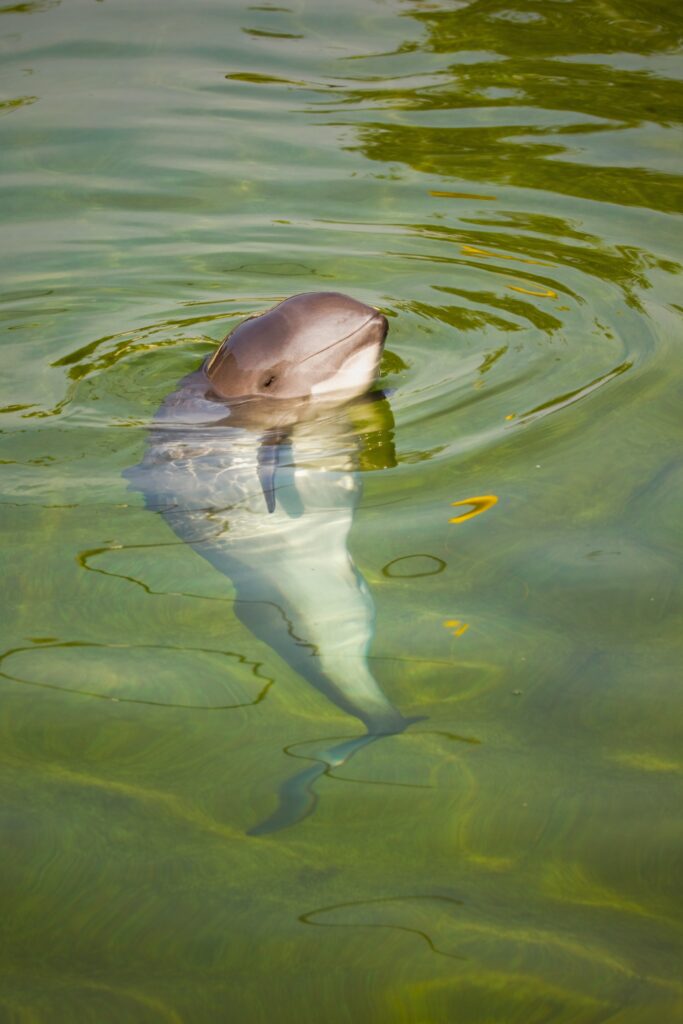
The rarest animal on Earth is a title that shifts over time, influenced by the success or failure of conservation strategies. Presently, animals such as the vaquita, a small porpoise found in the Gulf of California, hold this precarious distinction. With an alarmingly low number of individuals left in the wild, the vaquita’s existence hangs by a thread due to human activities like illegal fishing.
Understanding and protecting the rarest animals demand a comprehensive approach which includes scientific research, habitat protection, and addressing the human activities that cause their decline. Robust conservation programs are pivotal to ensuring that earth’s rarest creatures continue to be part of our world’s natural heritage.
What Defines a Rare Animal?

The Animal Kingdom is marked by an immense diversity wherein rarity is characterized not only by low numbers but also uniqueness.
Criteria for Rarity
Criteria for rarity within animal species typically involves population size, the extent of their geographical distribution, and their ecological uniqueness. A rare species, for instance, may have a small population due to limited habitat or specific environmental requirements that restrict its ability to thrive.
Conversely, a species might be geographically limited, existing in a single or few isolated locations, making them vulnerable to extinction. Ecological uniqueness refers to species that fill a unique ecological niche or have distinct genetic characteristics.
Rarest Species Discoveries
Discoveries of the rarest species often occur in remote or previously unexplored habitats. For example, the discovery of the Vaquita, the world’s rarest marine mammal, is confined to the northern part of the Gulf of California.
Another notable discovery is the Javan rhino, which is the rarest large mammal on the planet, with only one known population in Ujung Kulon National Park, Indonesia. These finds underscore the importance of conservation efforts, as many of these rare animals are endangered species, on the brink of extinction.
Threats to Survival

The survival of the world’s rarest animals is increasingly jeopardized by direct and indirect human activities. Critical issues such as habitat destruction and climate change, illegal hunting practices, and broader human encroachments significantly contribute to the endangerment and potential extinction of species.
Habitat Loss and Climate Change
Habitat loss is one of the principal threats to the survival of rare animals. Deforestation for agriculture, urban development, and other land uses leads to the degradation and fragmentation of critical habitats.
In addition, climate change exacerbates these effects by altering ecosystems, which can result in unfavorable conditions for many species, pushing them towards extinction.
Poaching and Illegal Activities
Poaching remains a critical concern for many of the rarest animals on Earth. The illegal trade of animal parts fuels this activity, leading to drastic declines in some populations. Gillnets and other non-selective fishing methods result in substantial bycatch, including rare species not intended to be caught.
The demand for exotic pets likewise drives illegal hunting and captures, further endangering species.
Impact of Human Activities
Beyond deforestation and poaching, pollution and the expansion of human settlements disrupt natural habitats. The introduction of non-native species, overfishing, and the accumulation of pollutants in ecosystems undermine the health of rare species and their environments.
These impacts of human activities collectively pose serious threats to the persistence of unique wildlife and their continued existence on Earth.
Conservation Efforts
Efforts to conserve the rarest animals on Earth are multifaceted, involving international cooperation, national laws, targeted wildlife sanctuaries, and specialized breeding initiatives. These endeavors are critical for safeguarding endangered species from extinction.
International and National Policies
Internationally, the Convention on International Trade in Endangered Species of Wild Fauna and Flora (CITES) serves as a key agreement among countries to ensure that international trade of wild animals and plants does not threaten their survival.
The World Wildlife Fund (WWF) works globally to address issues such as habitat destruction and wildlife crime, which are primary threats to endangered species. Nationally, governments enact laws to protect and manage wildlife, adhering to conservation status assessments commonly guided by the International Union for Conservation of Nature (IUCN) Red List.
Wildlife Sanctuaries and Breeding Programs
Wildlife sanctuaries provide safe havens where rare animals can live in conditions that mimic their natural habitats. These sanctuaries often work in conjunction with breeding programs, especially for species that are struggling to survive in the wild.
Captive breeding, executed with scientific and conservationist expertise, can increase population numbers, thus enhancing the genetic diversity of critically endangered species. Subsequently, bred individuals may be introduced into the wild to support dwindling populations, a process that requires careful planning to ensure a smooth transition.
Spotlight on the Rarest

The precarious existence of the world’s most endangered species is a crucial reminder of our impact on the planet. Notable for their alarmingly low population numbers, these animals are on the brink of extinction.
Land Dwellers at Risk
Critically Endangered: The Sumatran rhinoceros (Dicerorhinus sumatrensis), once widespread in Southeast Asia, now teeters on the edge of extinction, with fewer than 80 individuals believed to exist. Similarly, the elusive saola (Pseudoryx nghetinhensis), sometimes dubbed the Asian ‘unicorn’, is rarely sighted, and its numbers are critically low.
The Amur leopard, with fewer than 100 individuals in the wild, faces threats from poaching and habitat loss. Panthera pardus orientalis is a symbol of the crisis facing many land dwellers. Meanwhile, the Hainan gibbon has a population so small, it is the rarest primate in the world, with only around 30 individuals.
Highlighting the challenge faced by arboreal species, the Sumatran orangutan (Pongo abelii) sees its forest home in Indonesia diminish day by day, putting its survival at risk. Conservation efforts persist, yet the species remains classified as critically endangered.
Vulnerable Species:
- The northern bald ibis is a distinctive bird with a red, bald face and long, curved beak. Its population is improving but remains vulnerable.
- Across Africa and Asia, various pangolin species suffer due to illegal wildlife trade.
Perilous State of Marine Life
Marine Species: The vaquita, the world’s smallest marine mammal, is on the verge of extinction, with an estimated 10 individuals left. This small porpoise from the Gulf of California is a victim of bycatch in illegal fishing operations.
In addition to land animals, species such as the pygmy three-toed sloth inhabit island environments and are critically endangered due to their limited range and deforestation.
Conservation Numbers:
- The black-footed ferret has made a remarkable comeback from the brink of extinction, yet remains highly dependent on conservation programs.
While concerted conservation efforts have yielded positive results for some, the balance remains fragile for these rare species of our planet.
Add comment