
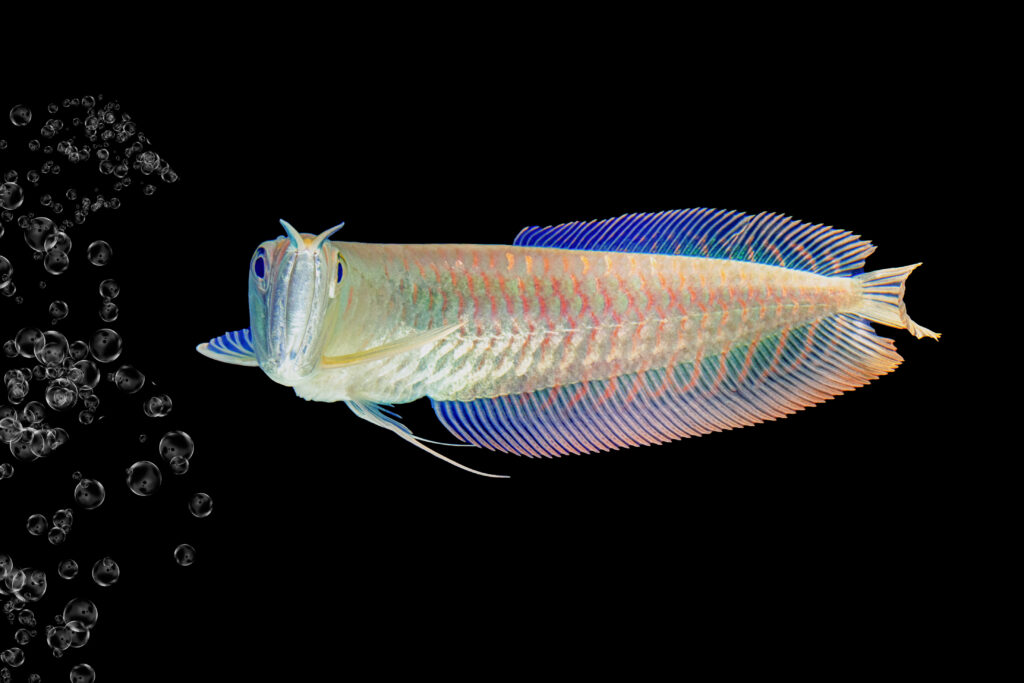
The world of luxury items often extends into surprising realms, one of which is the aquatic domain where certain fish command prices akin to fine art or rare jewels. The most expensive fish in the world are a testament not only to their rarity, beauty, and utility, but also to the profound status they confer upon their owners.
While some of these aquatic specimens are sought after for their culinary value, others are prized within ornamental fishkeeping circles for their unique appearance and breeding history.
Notable Expensive Fish Species

In the diverse world of aquatic creatures, some fish command staggering prices due to their rarity, beauty, and demand among collectors. These fish often become the centerpiece of opulent aquariums, both private and public.
Freshwater Marvels
The realm of freshwater aquariums boasts fish like the Platinum Arowana, which is highly sought after for its unique, shimmering appearance, with individual fish selling for tens of thousands of dollars. Similarly, the Asian Arowana is revered, often fetching prices in the same range due to its cultural significance and stunning colors.
Another rarity is the Freshwater Polka Dot Stingray, known for its distinctive black and white spotted appearance, and can be found with price tags suggesting its exclusive status. The Zebra Pleco, with its striking striped pattern, also commands a premium as an exotic and protected species.
Among cichlids, the Discus is admired for its vivid colors and majestic shape, often becoming the highlight of freshwater aquariums, while the uniquely shaped Flowerhorn Cichlid with its prominent head growth, or kok, is cherished for its vibrant hues and energetic personality.
Saltwater Exquisites
Venturing into the saltwater domain, rare fish like the Neptune Grouper present a breathtaking mix of bright yellow and pink hues, rightfully placing them among the most expensive fish. The elusive Bladefin Basslet is another gem, small in size but incredibly rare, with prices reflecting its scarcity.
Angel fish, such as the Masked Angelfish and the Clarion Angelfish, captivate enthusiasts with their graceful movements and striking colors. They reside on the higher end of the pricing spectrum, especially the Peppermint Angelfish, with its distinctive red and white stripes.
The Wrought Iron Butterflyfish is another sought-after species, appreciated for its resilience in captivity. Admirers are willing to pay high sums for the pleasure of owning one. Meanwhile, the Golden Basslet exudes prestige with its shimmering golden hue, and due to its deep-water habitat, is a prize for any collector.
Collectors seeking the ultimate in rarity and price will be drawn to the Polka Dot Stingray in saltwater as well, whose breathtaking beauty and distinct patterns carry an exorbitant cost, embodying the pinnacle of marine luxury.
Economic and Ecological Factors

The value of the most expensive fish in the world is heavily influenced by both economic and ecological considerations. These factors range from market demands to the ethical implications of fish conservation.
Market Dynamics
The market for high-value fish such as bluefin tuna is driven by a complex interplay of supply and demand. In Japan, the demand for sushi and sashimi significantly boosts the value of high-quality tuna, particularly bluefin. Rarity plays a key role here; as bluefin tuna stocks dwindle due to overfishing, their rarity on the market increases, leading to higher prices.
For example, a single large bluefin tuna can sell for hundreds of thousands of dollars, predominantly in Japanese markets. The buyers of these fish, mainly sushi restaurateurs and private collectors, are often willing to pay premium prices for what they consider exceptional quality, further inflating costs.
Conservation and Ethics
Conservation efforts and ethical considerations significantly influence the economics of the fish trade. Endangered species, such as some populations of bluefin tuna, are protected by international agreements that limit their catch and trade. The illegal trade of such species, commonly known as smuggling, can further drive up prices due to the risks involved.
Furthermore, the rise of fishkeeping as a hobby has led to an increased demand for exotic fish, which, in turn, raises concerns about the environmental impact of their removal from the wild. Overfishing of species like the yellowfin tuna not only threatens their survival but also disrupts the balance of marine ecosystems. Conservationists argue that sustainable fishing practices and the ethical treatment of marine life are vital to maintaining biodiversity and ecological health.
Add comment