
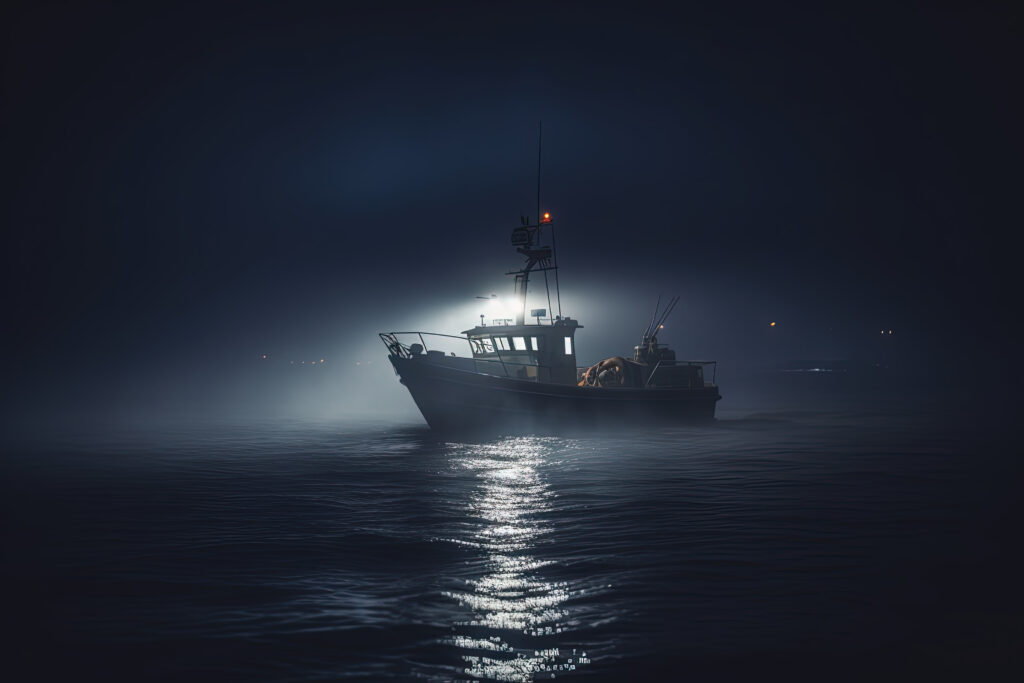
In the aftermath of a storm, a man experienced a life-threatening situation when his skiff capsized off Maine’s rugged coast. The stark and unforgiving conditions near the inlets between Tenants Harbor and Rackliff Island became the backdrop for a dramatic rescue mission on a cold Sunday evening.
As darkness fell around 5 p.m., and what began as a mild drizzle grew into a downpour, the man found himself immersed in the icy embrace of the sea. It wasn’t until he failed to arrive for his expected pickup at the marina that alarm bells were raised. His spouse, gripped by concern, dialed 911. The urgency of the situation was clear: he could be anywhere, battling the relentless clutches of the sea.
It was the sharp ears of a neighboring resident on an adjacent island who detected the faint yet desperate cries, which catalyzed a reduction in the search radius. Responders from various agencies, including St. George Fire and Rescue, the U.S. Coast Guard, and Knox County’s own law enforcement, were soon threading their way through a vast and challenging maritime landscape, hoping to locate the stranded man.
Among the rescuers, a vigilant lobsterman by the name of Ryan Miller, tuned into the crisis unfolding over the radio waves and promptly joined the quest. Miller’s local knowledge proved indispensable. He located the victim, who had managed to reach one of the northward islands, yet was trapped by its jagged passageways and daunting terrain.
Rescue teams, faced with an impermeable approach by sea, opted for an arduous land-based extraction. The combined efforts saw the man, devoid of his strength, secured to a stokes basket—a type of stretcher specially designed for such operations. They enveloped him in a protective tarp and negotiated the dense woods and deceptive tidal pools.
This painstaking operation against the clock saw a seamless handover between teams, from the first to the second, marking their progress by minutes until the man was aboard a Marine Patrol’s modest vessel. Transferred to the U.S. Coast Guard, he was finally escorted safely to the shoreline of Tenants Harbor where an ambulance was waiting.
The coveted outcome of this tumultuous night, as heralded by St. George Fire and Rescue’s digital message, felt like a hard-earned victory. Yet, they reminded the community that while the immediate danger had passed, the journey to full recovery was just beginning. The man’s condition lent itself to cautious optimism as he made his way to medical care with his wife by his side.
In reflecting on the events, the rescuers emphasized the importance of foresight in aquatic excursions—setting check-in times and not hesitating to act should those times pass unacknowledged. This simple yet effective strategy was highlighted as the critical difference that night, preventing the occurrence from culminating in a far more grievous conclusion.
FAQs
The Chain of Events Leading to a Lobsterman’s Sea Rescue
In the Gulf of Maine, a lobsterman heard an unusual noise while out at sea which turned out to be cries for help. Heeding this call, the lobsterman initiated a search that ultimately resulted in a successful at-sea rescue.
Details of the Sea Rescue by a Fisherman in Maine’s Waters
A Maine fisherman was able to save an individual after hearing distress calls. Using his experience on the water, the fisherman swiftly located the struggling person and brought them safely aboard his boat.
Unusual Noises and Their Role in Prompting a Lobsterman’s Lifesaving Actions
Sparse details suggest that unexpected sounds at sea can sometimes alert alert fishers to emergencies. In one instance, a lobsterman followed the sound of cry, which guided them to a person in need of help.
Documented Maritime Rescues Involving Lobstermen from Maine
There are several accounts of lobstermen from Maine being part of marine rescues. Their familiarity with local waters often places them at the right place and time to assist those in distress.
The Marine Rescue Protocols of a Lobster Fisher
Upon hearing a distress signal, a lobster fisher will typically:
- Ascertain the direction of the calls.
- Navigate toward the sound while alerting authorities.
- Maintain constant vigilance for the victim.
- Implement a safe rescue operation once the victim is found.
Accounts of Remarkable Sea Rescues by Fishermen and Lobstermen
Miraculous seafaring saves by maritime workers are not unheard of. From guiding lost vessels to safety to pulling individuals from icy waters, these profound acts of heroism underscore the courage and resourcefulness of fishermen and lobstermen.
Add comment