

The ocean, a vast and mysterious realm, is home to some of the most awe-inspiring creatures on our planet. Among them, sharks have captivated our imagination and fear, often due to their sheer size and predatory prowess.
In this article, we delve into the world of the largest sharks, giants that patrol the marine depths. From the infamous great white shark, known for its formidable size and starring role in popular culture, to the whale shark, a gentle giant that glides through the tropical seas, these colossal predators play a crucial role in the marine ecosystem.
We will explore their habitats, behaviors, and the myths that surround these magnificent creatures, shedding light on their true nature beyond the sensational headlines. Join us on a journey to discover the biggest sharks in the world, where fact often surpasses fiction in the depths of the ocean’s blue frontier.
Pacific Sleeper Shark
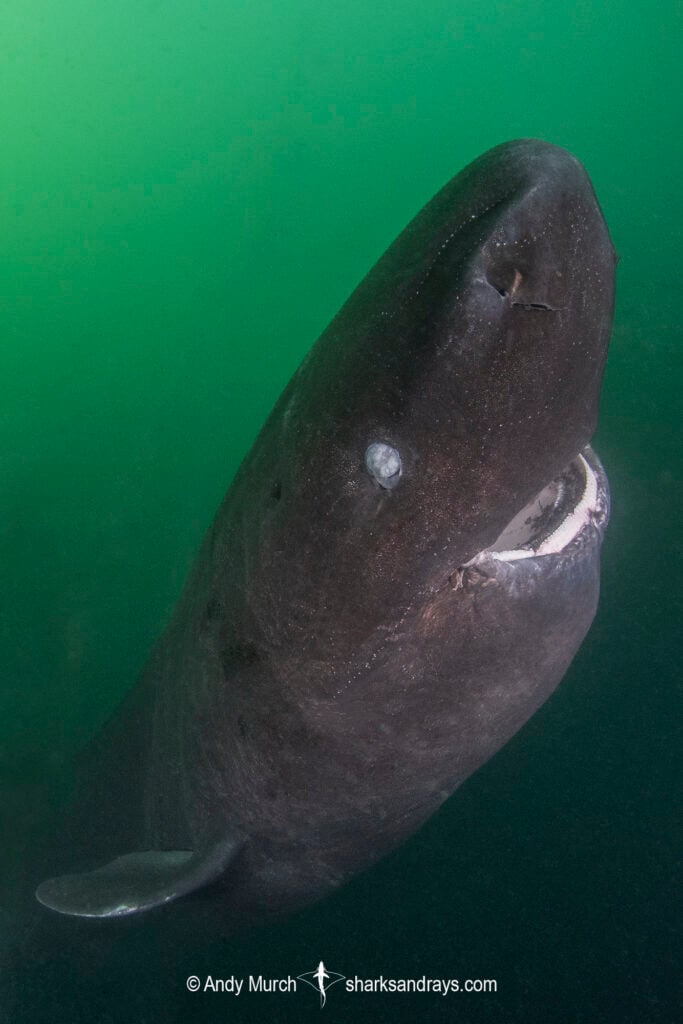
Among the world’s larger sharks is the Somniosus pacificus, which averages around 4.4 meters (14.4 feet) in length. Inhabitants of the North Pacific, these sharks have a preference for dining on bottom-dwelling creatures, including the colossal octopus. These sharks are of prolific nature, often sustaining large progeny numbers, with an estimated litter size of 300. Despite their size, they fall prey to orcas in their ecosystem.
Bluntnose Sixgill Shark

The Hexanchus griseus measures an impressive 4.8 meters (15.8 feet) and is recognized for its wide distribution across global tropical and temperate waters. Predominantly residing in the depths, this shark is not picky about its diet, consuming a variety of organisms, from crustaceans to other shark species. Female sixgills are highly fecund, capable of birthing upwards of a hundred offspring at a time.
Thresher Shark

Reaching lengths of approximately 5.73 meters (18.8 feet), Alopias vulpinus stands out with its globally expansive habitat range and its distinctive, lengthy tail, which is about half its total length. The shark employs this powerful appendage for propulsion through the water, earning it a place among the larger sharks.
Great Hammerhead Shark

The Sphyrna mokarran, with a length of 6.1 meters (20 feet), is the largest among its hammerhead brethren. These sharks patrol the warm waters across the globe. Despite the intimidation factor due to their size, interactions with divers rarely occur, and there have been no confirmed attacks. However, their existence is threatened by the shark fin trade.
Great White Shark

Sharing the 20-foot mark with the great hammerhead is the Great White Shark (Carcharodon carcharias), often considered the marine world’s most formidable predator. These sharks prioritize high-fat prey such as seals, a dietary preference which can result in exploratory bites on humans, albeit rarely with fatal outcomes.
Greenland Shark

The Arctic waters nurture the Greenland Shark (Somniosus microcephalus), which can grow to 7.3 meters (24 feet). Notably, this shark lives an exceptionally long life, with estimates of longevity surpassing 300 years. These sharks come to sexual maturity at around a century old and are known for their toxic flesh, despite being harmless to humans.
Tiger Shark

The Tiger Shark (Galeocerdo cuvier), distinguished by its unique stripes, claims an average length of 7.5 meters (24.6 feet). These relentless travelers frequent temperate and tropical waters globally, devouring a mix of marine animals nocturnally. Despite their ferocity, these sharks are occasionally preyed upon by killer whales.
Megamouth Shark
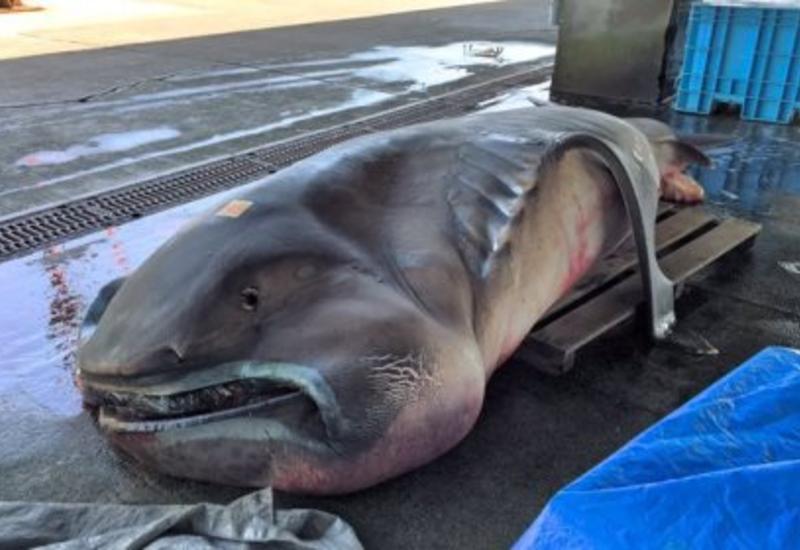
Reaching a length of 7.6 meters (25 feet), the Megamouth Shark (Megachasma pelagios) stands out as an elusive filter feeder primarily sited in Pacific waters. This shark comprises one of the bigger species while maintaining a harmless nature, made evident by the largest known specimen that was safely released off California’s coast.
Basking Shark

Basking Sharks (Cetorhinus maximus) are the second-largest sharks, extending up to 15.2 meters (49.8 feet). Feeding on plankton with a mouth that spans over a meter wide, these benign giants are known for their extensive migratory patterns, sometimes spanning 9,000 kilometers annually.
Whale Shark

The Whale Shark (Rhincodon typus), the largest fish alive, can reach lengths of 17 meters (55.7 feet) and weights exceeding 30 tonnes. Primarily filter feeders consuming plankton, these sharks are endangered but remain a major attraction in ecotourism. Female whale sharks can produce litters of 300, contributing significantly to their species’ numbers despite their vulnerable status.


Add comment