

The transition of life from water to land is one of the most striking chapters in the evolutionary history of animals. This profound transformation allowed marine organisms to give rise to the terrestrial creatures we are familiar with today. It initiated with some marine species venturing into brackish and freshwater environments, gradually adapting to survive on land.
A closer look at this evolutionary progression reveals that the move from the ocean embarked on a fascinating trajectory of biological change. As organisms began to inhabit fresh water and eventually terrestrial habitats, they faced entirely different environmental conditions. This shift demanded significant adaptations in morphology, physiology, and behavior, paving the way for the biodiversity seen in terrestrial animals today.
Among these adaptations was the evolution of limbs for locomotion on land, alterations in sensory systems to navigate a new medium, as well as changes in reproductive strategies. The emergence of amphibians from fish ancestors marked a pivotal moment in this transition, evidencing the versatility and resilience of life. As these pioneers adapted to their new habitats, they set the stage for further evolution, eventually leading to the rise of reptiles, birds, and mammals, including those that would return to the sea as marine mammals.
Evolutionary Origins of Land Animals

The transition of life from water to land is a pivotal moment in the history of biological evolution, marking the emergence of terrestrial vertebrates from their aquatic ancestors. This section explores the transformative journey from life in the ocean to a diversified existence on land, focusing on the role of adaptations and fossil evidence in understanding this evolutionary leap.
From Aquatic to Terrestrial Life
Aquatic vertebrates, particularly fish, laid the groundwork for the emergence of terrestrial organisms. Early fish displayed key adaptations that prefigured the transition to land, such as the development of sturdier fins which later evolved into limbs. The evolution of lungs alongside or instead of gills allowed these pioneering species to harness oxygen from the air, a crucial ability for survival on land. Over time, these vertebrates grew into tetrapods— four-limbed animals capable of navigating terrestrial environments. Amphibians, which include the earliest known tetrapods, demonstrate a clear evolutionary link between life in water and life on land, as they typically begin life in an aquatic stage before moving onto land as they mature.
Paleobiology and Fossil Evidence
Paleobiology, the study of ancient life through fossils, provides significant insight into the lives of the first terrestrial vertebrates. The fossil record reveals a gradual morphological shift over millions of years, from exclusively aquatic creatures to those capable of exploring terrestrial landscapes. Early tetrapods and amphibians such as Ichthyostega and Acanthostega feature prominently in early fossil evidence, displaying both aquatic and terrestrial adaptations. The skeletal structures of these creatures exhibit transitioned limb forms, adaptive for supporting weight on land. Moreover, the discovery of fossils of early reptiles and marine reptiles indicates further evolutionary branches, illustrating a broader diversification of life as vertebrates became more adept at terrestrial survival. These findings underscore a complex narrative of vertebrate evolution in which numerous adaptations opened up new ecological niches and opportunities for life on land.
Land Animal Descendants of Ocean-Dwelling Ancestors

The journey from ocean to land and back again illustrates a fascinating chapter in evolutionary history, especially in mammals like cetaceans and sirenians that have made dramatic adaptations to aquatic environments.
Transition of Mammals Back to the Sea
The transition back to the sea can be exemplified by whales, dolphins, and other cetaceans. These marine mammals, having evolved from land-dwelling ancestors that once roamed ancient shorelines, have developed specialized adaptations to thrive in aquatic habitats. For instance, cetaceans illustrate a profound evolutionary change as they are believed to share a common ancestor with the artiodactyl group, which includes even-toed ungulates like deer and camels. Through paleontology, fossils reveal a progressive transformation that includes the elongation of the body and the modification of limbs into flippers, showcasing significant anatomical adaptations.
Key Cetacean Transformations
- Artiodactyl Ancestors: Land origin with even-toed ungulates.
- Elongated Body and Tail: Adaptations for efficient underwater propulsion.
- Limb Modification: Front limbs transformed into flippers, hind limbs vestigial.
Diverse Adaptations for Aquatic Life
Marine mammals have developed a myriad of adaptations suited for life in the water. Pinnipeds, which include seals and sea lions, demonstrate both anatomical and diving adaptations that enable them to navigate and hunt within their marine environments. The sirenians, like manatees, exhibit adaptations for a primarily herbivorous lifestyle in aquatic settings. High concentrations of myoglobin in the muscles of these animals enable extended periods of diving by storing larger amounts of oxygen. Furthermore, marine mammals display specialized features such as sensitive whiskers for detection of prey in murky waters and blubber for insulation in cold environments.
Adaptations in Pinnipeds and Sirenians
- Anatomical: Flippers for swimming, whiskers for prey detection, streamlined bodies.
- Diving: High myoglobin concentrations for oxygen storage, blubber for buoyancy and insulation.
Phylogeny and Evolutionary Biology of Marine Animals
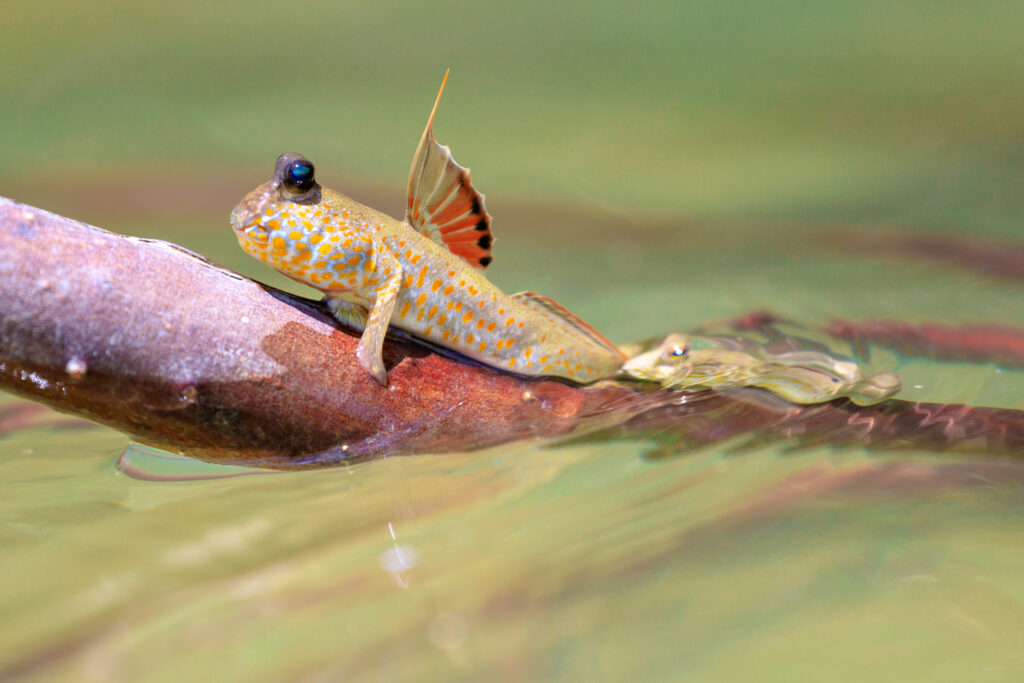
The evolutionary biology of marine animals is marked by a complex phylogeny that traces their origin back to ancient terrestrial ancestors. Notable shifts in genetics and morphology document the transition from land back to the sea.
Genetics and Evolutionary Pathways
The genetic underpinnings of marine animal evolution offer insights into the transformative changes over millions of years. Molecular biology has unveiled that cetaceans (whales, dolphins, and porpoises), pinnipeds (seals, sea lions, and walruses), and other marine mammals share a common terrestrial ancestor. Genes encoding for various adaptations in marine vertebrates reflect the complex interplay between environmental pressures and evolutionary responses. For instance, extensive studies on cetacean phylogeny have outlined a clear lineage from early artiodactyl ancestors, believed to have originally inhabited regions of present-day India and Pakistan.
Evolutionary pathways illustrate that modern cetaceans descended from pakicetids, ambulocetids, remingtonocetids, protocetids, followed by more fully aquatic basilosaurids. Each group represents a critical step in the adaptation to a fully aquatic life—ranging from pakicetids, which were land-dwelling, hoofed carnivores, to basilosaurids, which were highly adapted to an aquatic environment.
Comparison of Terrestrial and Marine Lineages
When comparing terrestrial and marine lineages, one observes distinct evolutionary divergences. Land mammals like hippopotamuses are surprisingly the closest living relatives to cetaceans, indicating a shared lineage before fully adopting an aquatic lifestyle. This connection underscores the concept of evolutionary convergence, where diverse lineages independently develop similar traits as a result of adapting to comparable environments or ecological niches.
Pinnipeds, while also marine mammals, followed a different evolutionary trajectory compared to cetaceans. Just like cetaceans, pinnipeds evolved from land ancestors, but their adaptations led to distinct features such as the development of flippers for swimming and thick blubber for insulation in the cold marine environment.
The phylogenetic analysis and comparison of these lineages emphasize the dynamic and adaptive nature of vertebrate evolution, marking the transition of various land animals back into the marine domain over the course of Earth’s history.




Add comment