

The world of reptiles is vast and fascinating, with snakes capturing the curiosity of people for centuries. One particularly captivating topic is the quest to find the biggest snake ever recorded. Throughout history, countless tales and legends have described enormous serpents, evoking both awe and fear in those who encounter them. In this article, we will explore the intriguing subject of these gigantic creatures, delving into both verified records and anecdotal accounts of the largest snakes on earth.
One species often debated as the largest is the green anaconda, native to the Amazon Basin of South America. Although their size is indeed impressive, there are arguments that other species, such as the reticulated python, have been found to be even larger. Researchers constantly work to expand our understanding of snake size and behavior, shedding light on the truth behind some of the most famous stories of giant snakes.
As we navigate the world of giant snakes, it’s essential to consider the credibility of sources, measurements, and claims. Stretching the Truth: The Elastic Properties of the Body and Skin of a Giant Snake is an insightful paper that discusses these properties and their potential to mislead people when estimating snake sizes. By approaching this subject with a critical and open mind, we can gain a deeper and more accurate understanding of the real-life giants that slither among us.
Anacondas and Pythons
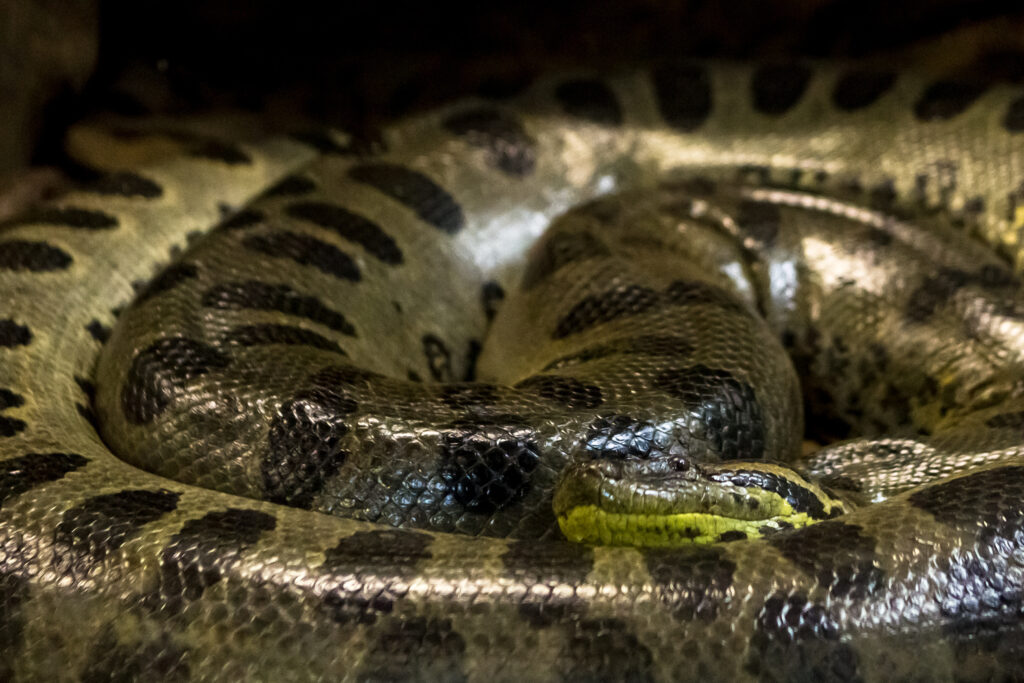
Anacondas and pythons are two of the most impressive snake species on Earth. Belonging to different families, anacondas are part of the Boa family while pythons belong to the Pythonidae family. Both of these large snakes are known for their incredible size in terms of both length and weight. In this section, we will delve into the world of these majestic titans and explore their fascinating characteristics.
The green anaconda is considered the heaviest snake in the world, with some specimens reaching up to 550 pounds in weight. Not only are they heavy, but they can also grow up to an astonishing 29 feet in length. Found in South America, green anacondas are known to be semi-aquatic and prefer to inhabit swamps and marshes.
On the other hand, Burmese pythons are native to Southeast Asia and are known for their impressive length. These magnificent snakes can grow up to 23 feet long, making them one of the longest snake species on the planet. In comparison to anacondas, Burmese pythons are relatively lighter, with adult snakes generally weighing between 100 and 200 pounds.
Anacondas and pythons both have different hunting techniques. While anacondas are ambush predators, relying on their camouflage and stealth to catch prey, pythons use their heat-sensing pits to detect warm-blooded animals even in complete darkness.
Here is a brief summary of some key differences between anacondas and pythons:
While the size and weight of these snakes are certainly impressive, it is important to note that the biggest snake ever recorded is still a matter of debate. Some records report the discovery of an even larger python in Indonesia, however, the validity of this claim is uncertain.
Habits and Habitats

The biggest snake ever recorded is the green anaconda, which is known to inhabit the tropical regions of South America, particularly in areas such as the Amazon rainforest and the swamps of Colombia. These massive reptiles are known to hunt for their prey in slow streams, marshes, and swamps, taking advantage of their powerful camouflage and constricting strength to overcome their victims.
Green anacondas are known to be excellent swimmers, using their sleek, muscular bodies to navigate the waterways of their habitats. They are primarily found in lowland areas, where they take advantage of the warm and humid climate. In these regions, they can often be found in a variety of aquatic environments, such a marshes, swamps, slow streams, and rivers
As ectothermic animals, they rely on the sun to regulate their body temperature and are often seen basking on the banks of rivers and streams. Their habitats are generally characterized by a high degree of biodiversity, which allows them to feed on a variety of prey items, including fish, birds, and reptiles.
In the United States, particularly in Florida and the Florida Everglades, another large snake species, the eastern indigo snake, can be found. Though not as massive as the green anaconda, this impressive reptile can reach lengths of up to 8 feet and is considered the longest native snake in the United States.
Like the green anaconda, the eastern indigo snake enjoys a diverse range of habitats, often found in dry or wet flatwoods, sandhills, and scrublands. These snakes are not restricted to aquatic environments and can be found slithering through various types of terrain in their range.
Regardless of their location, both the green anaconda and eastern indigo snake showcase fascinating habits and adaptations that allow them to thrive in their respective habitats. These powerful predators are well-equipped for the challenges of their environments and are truly remarkable examples of the diversity and splendor of the reptile kingdom.





Add comment