
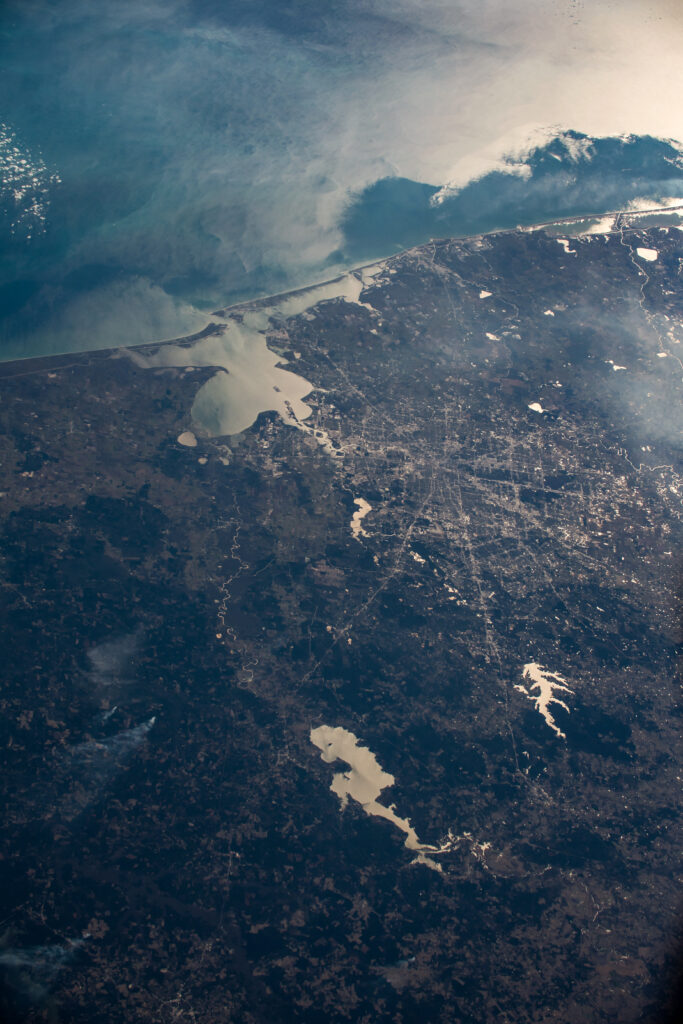
Texas boasts an impressive array of lakes, both natural and man-made, which serve as key resources for recreation, water supply, and ecological balance. Among these, the title of the largest lake by surface area in the state goes to Sam Rayburn Reservoir. Spanning an impressive 114,500 acres, this expansive body of water offers ample opportunities for boating, fishing, and other water sports, making it a cherished destination for outdoor enthusiasts and families alike.
Reflective of the Texan spirit, the Sam Rayburn Reservoir embodies the blend of natural beauty and functional importance. As a crucial source of water, the lake plays a significant role in supporting nearby communities and maintaining local ecosystems. It also represents a vital habitat for various wildlife species, underlining the intrinsic value of such large water bodies in the state of Texas.
Despite the grandeur of Sam Rayburn, Texas is dotted with numerous lakes, each with its unique charm and significance. These lakes contribute to the state’s reputation as a prime location for recreation and natural allure. Texans take pride in preserving these aquatic jewels, ensuring that they remain a part of the state’s heritage and continue to provide for future generations.
Physical Features and Geography

Texas boasts a diverse range of lake environments, each offering unique physical features and playing a significant role in the state’s geography and ecosystem. From the sprawling expanse of Toledo Bend Reservoir on the eastern border to the arid landscapes surrounding Falcon Reservoir in the south, Texas lakes are integral components of the state’s natural and man-made water systems.
Notable Texas Lakes
Sam Rayburn Reservoir, with its impressive surface area, claims the title of the largest lake located entirely within Texas. Meanwhile, the Toledo Bend Reservoir, shared with Louisiana, is the largest in terms of surface area. Other fundamental lakes, such as Lake Texoma and Lake Livingston, form critical parts of the regional ecosystem.
Hydrological Characteristics
The Sabine River feeds into Toledo Bend Reservoir, which significantly influences the bordering regions by providing water for various uses. Additionally, the Trinity River Authority of Texas governs crucial water bodies like Lake Livingston and plays an instrumental role in the water management of the region.
Ecology and Wildlife
Lakes like Caddo Lake support rich ecological diversity, including varied species of fish like largemouth bass, catfish, and sunfish. Surrounding areas abound with wildlife, including birds, turtles, and deer, indicating the ecological significance of these aquatic habitats.
Man-Made vs Natural Lakes
A distinction exists between reservoirs such as Lake Fork Reservoir, which are man-made for purposes like flood control, irrigation, and hydroelectric power, and natural lakes like Caddo Lake, known for its cypress swamps in the East Texas Piney Woods region.
Regional Landscapes
Regional landscapes profoundly influence the geographical features of Texas lakes. For instance, the Piney Woods region houses Lake O’ The Pines, characterized by dense forests and abundant rainfall. In contrast, Lake Amistad lies in a more arid setting near the Mexican border.
Bordering Regions and Rivers
Many Texas lakes border different regions or rivers, creating distinctive geographical markers. For example, Lake Texoma is situated on the Red River at the Texas-Oklahoma border, while Falcon Reservoir rests along the Rio Grande, delineating the border with Mexico.
Geographical Importance
The geographical importance of Texas lakes, such as Lake Travis in Central Texas, extends beyond their beauty. These water bodies support cities and agriculture, provide recreational opportunities, and help manage water resources for the diverse landscapes of Texas.
Recreation and Tourism

Lakes in Texas are hubs of recreation and tourism, drawing in countless visitors with a variety of outdoor activities and facilities. These lakes bolster local economies significantly through tourism and related sectors.
Outdoor Activities
Texas lakes offer a vast array of outdoor activities catered to all ages and preferences. Visitors can engage in fishing, with some lakes hosting major fishing tournaments. The Texas Parks and Wildlife Department manages the lakes, ensuring a quality experience which may require a license for activities like fishing or hunting. For those seeking adventure, there’s water skiing, boating, and scuba diving. Nature enthusiasts often enjoy hiking trails, biking, and camping, with designated areas for tents or RVs. During the summer months, swimming and beach activities are particularly popular.
Amenities and Facilities
Amenities and facilities enhance the recreation experience on Texas lakes. Most lakes are equipped with marinas for easy boat access and parks that provide spaces for picnics and family gatherings. Resorts near the water offer luxurious stays, often including guided tours and rental equipment for various water sports. Many locations also have well-maintained beaches for relaxation and play.
Economic Significance
The economic significance of recreational activities around the largest lake in Texas cannot be overstated. These lakes are pivotal in promoting tourism, with visitors contributing to local economies by utilizing services like hotels, restaurants, and shopping. The influx of tourists is especially evident during peak seasons and major events like regional tournaments or festivals. Texas Parks and Wildlife Department has data suggesting the extensive economic benefits tied to recreational opportunities, indicating a mutually beneficial relationship between the lakes and the surrounding communities.




Add comment