

Anacondas and pythons are two of the most well-known species of snakes in the world. Both are large, powerful, and capable of causing serious harm to humans. However, there are several differences between these two species that are important to understand.
Despite their differences, both anacondas and pythons are often the subject of fascination and fear. In recent years, there has been a growing interest in these snakes, with many people seeking to learn more about their behavior, habitat, and unique characteristics. Whether you are a seasoned herpetologist or simply curious about these remarkable creatures, understanding the differences between anacondas and pythons can help you appreciate the diversity of the natural world and the incredible adaptations that allow these snakes to thrive in their environments.
Physical Features and Appearance

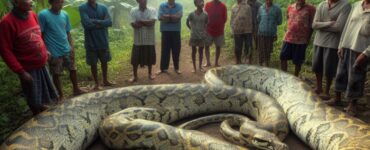
The reticulated python is usually considered to be the longest snake in the world, with some specimens reaching up to 33 feet in length. On the other hand, the green anaconda is considered to be the heaviest snake in the world, with some specimens weighing up to 550 pounds. Anacondas are also among the thickest snakes in the world, with a diameter that can reach up to 12 inches. In general, anacondas are shorter than pythons, with an average length of 20 feet.
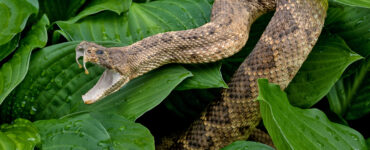
Anacondas and pythons have different coloration patterns. Anacondas have a dark green color with black spots on their backs and sides. Their bellies are usually yellowish. Pythons, on the other hand, have a more varied coloration pattern, with some species having a brown or yellowish color and others having a green or black color. Some pythons also have patterns on their skin, such as stripes or spots.
Both anacondas and pythons have small eyes and nostrils. Their eyes are adapted for hunting in low light conditions, and they have heat-sensing organs in their nostrils that help them locate prey. Anacondas have eyes that are set higher on their head than pythons, which allows them to keep an eye on their environment while swimming. Pythons have eyes that are set lower on their head, which gives them better depth perception when hunting on land.
Distribution and Habitat

Pythons are found in various parts of the world, including Africa, Asia, and Australia. They are found in diverse habitats, ranging from rainforests to grasslands. Pythons are known to inhabit both terrestrial and aquatic environments. They are often found near rivers, marshes, and swamps. In the wild, pythons can be found in a variety of habitats, including rocky outcroppings, hollow logs, and abandoned mammal burrows.
Anacondas are found in South America, primarily in the Amazon Basin. They are known to inhabit marshes, swamps, and rivers. Anacondas are primarily aquatic and are often found in slow-moving rivers and streams. They are also known to inhabit flooded forests during the rainy season. Anacondas are well-adapted to their aquatic environment, with their eyes and nostrils located on the top of their head, allowing them to stay submerged for extended periods.
Habitat loss is a major threat to both pythons and anacondas. As human populations expand and encroach on natural habitats, these snakes are losing their homes. In addition to habitat loss, both species are also threatened by hunting and poaching for their skins and meat.
Diet and Hunting

Pythons are ambush predators and can be found in a variety of habitats, including rainforests, grasslands, and deserts. They are known for their ability to overpower their prey by squeezing them to death. Pythons can consume a wide variety of animals, including mammals, birds, rodents, and even antelopes. They are also known to eat fish and reptiles, such as caimans and crocodiles. Pythons typically bite their prey and then wrap around them to constrict and suffocate them before consuming them whole.
Anacondas are also ambush predators and are primarily found in aquatic habitats such as swamps, marshes, and slow-moving rivers. They are known for their ability to overpower their prey by squeezing them to death. Anacondas can consume a variety of animals, including mammals, birds, and fish. They are also known to eat deer and caimans. Anacondas typically bite their prey and then wrap around them to constrict and suffocate them before consuming them whole.
Reproduction

Pythons are oviparous, meaning they lay eggs to reproduce. The female python will typically lay a clutch of between 12 and 36 eggs, depending on the species. After laying the eggs, the female will coil around them to provide protection and warmth until they hatch. The incubation period for python eggs varies by species, but it typically lasts between 50 and 90 days.
Anacondas are also oviparous, but they differ from pythons in that they give birth to live young. The female anaconda will carry her young for around 6 to 7 months before giving birth to a litter of between 20 and 40 babies. Anaconda babies are born fully formed and are able to swim and hunt immediately after birth.
Both pythons and anacondas reach sexual maturity at around 3 to 4 years of age. However, the larger size of anacondas means that they are capable of producing larger litters than pythons.




very interesting,I will like to know more
Thanks for your servay it a wonderful reptile that hadn’t know about it