

San Francisco Bay is a thriving marine habitat known for its rich biodiversity, with various aquatic species calling it home. Among these residents are several species of sharks, which have adapted to life in this estuarine environment. They are often a point of fascination and curiosity, as well as concern for those who frequent the bay’s waters.
The dynamics of shark populations in San Francisco Bay, particularly their residency patterns and movements, have been a focus of research shedding light on their behaviors. Research into the long-distance movements of sevengill sharks tagged in the bay suggests there’s much more to learn about these fascinating creatures. While sharks in this region are subject to various environmental pressures, they continue to be a symbol of the bay’s natural history and ongoing ecological studies.
Great White Shark

Sightings are less frequent within the bay, as these sharks prefer the open ocean; however, they are known to roam near the Golden Gate Bridge.
Leopard Shark

These bottom-dwellers are common in shallow bays and estuaries; they are the most abundant in Elkhorn Slough, particularly near the South San Francisco Estuary.
Sevengill Shark

Notoriously known as an ancient species, sevengill sharks are regularly observed in the bay and are fundamental to the local marine ecosystem.
Soupfin Shark
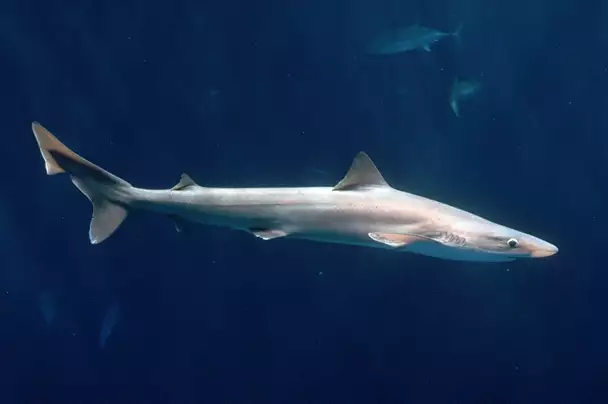
Also known as the school or tope shark, soupfins are migratory and occasionally encountered in the bay’s waters.
Smoothhound Shark
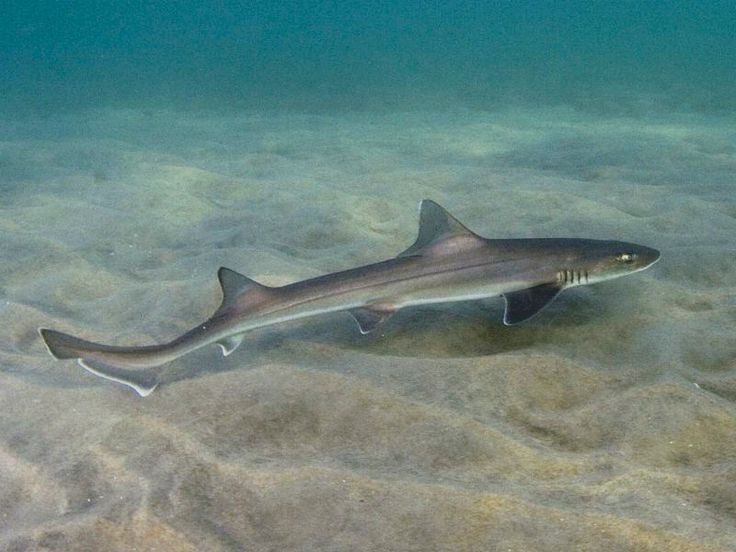
This species includes the gray smooth-hound noted for using southern California estuaries as habitats; likely similar behavior is observed in San Francisco Bay.
Pacific Angel Shark

Typically found in sandy or muddy bottoms, this ambush predator is occasionally seen within the bay area.
Habitats and Ecosystem

The diverse habitats in San Francisco Bay support the differing needs of its shark residents:
- Nursery Areas: Shallow, inshore regions serve as nurseries for the young of species such as the leopard shark.
- Feeding Grounds: Deeper areas of the bay and spots with strong tidal flows, like those under the Golden Gate Bridge, offer rich feeding grounds for larger species.
- Migration Pathways: The bay acts as a conduit between the open ocean and inland waters, aiding species like the soupfin shark during their migratory patterns.
- Resting Sites: Areas with reduced currents and ample bottom coverage provide essential resting spots for species such as the pacific angel shark.
With landmarks like the Golden Gate Bridge and Alcatraz adding to the complexity of this marine ecosystem, each shark species utilizes the bay’s habitats to ensure their survival, contributing to the balance and diversity of marine life in the Bay Area.
Human and Environmental Impacts

The ecosystem of San Francisco Bay is influenced by both human activity and environmental factors, directly impacting the health of local shark populations and the safety of human interactions. Concerns such as pollution, fishing practices, and conservation efforts shape this delicate balance.
Conservation and Protection
Efforts led by organizations like Shark Stewards and Baykeeper focus on sustaining shark populations within San Francisco Bay by addressing challenges like overfishing, habitat loss, and pollution. These groups work towards maintaining the bay’s health through advocacy, education, and legal actions. Conservation measures also aim to mitigate the impact of contaminants like heavy metals and pesticides; these not only affect sharks but also accumulate in the sediment, posing risks to the entire marine ecosystem.
Public Safety and Interaction
When it comes to public safety and sharks, the risk of shark attacks is exceptionally low, yet it remains a point of consideration for swimmers and tourists. The Bay area authorities work to ensure safe human-shark coexistence, often involving educational campaigns about marine life. Pollution reduction is also crucial as it directly impacts water quality and the safety of activities like swimming and fishing. While the bay is frequented by various shark species, they typically do not pose a significant threat to humans; however, awareness and respect for wildlife are encouraged to maintain this status quo.


Add comment