

Anglers often debate the merits and challenges of fishing for largemouth bass compared to smallmouth bass. Each species brings a unique set of behaviors, habitats, and fishing techniques to the table, making them prized catches in their own right. Largemouth bass, known scientifically as Micropterus salmoides, are celebrated for their aggressive strikes and acrobatic fights. They are often found in warmer, slower-moving waters with abundant vegetation that provides ample cover and feeding grounds.
On the other hand, smallmouth bass, or Micropterus dolomieu, offer a different kind of thrill for fishermen. They tend to inhabit cooler, clearer and more turbulent waters such as streams and rocky lake areas where they exhibit a tenacious spirit once hooked. Moreover, the typified diet and growth patterns of smallmouth bass differ from those of largemouth bass, leading to distinct angling strategies to lure each type. While both species share the bass moniker, the similarities can be superficial as their environments, behaviors, and anglers’ approach to catching them reveal a broad divergence.
Largemouth vs Smallmouth Bass

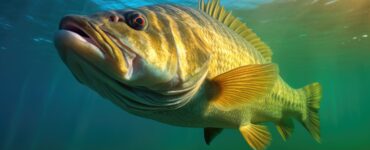
Largemouth Bass: Typically, this species presents a greenish to an olive hue, substantial in size with some adults reaching over 20 inches in length. A key identifier is the jawline which extends beyond the eye. The dorsal fin is almost separated into two distinct parts, with nine spines on the front part.
Smallmouth Bass: Recognized by a more brownish, sometimes reddish hue, the smallmouth bass’s jawline does not extend beyond the eye. They are generally smaller than largemouth bass, with a full-grown adult usually not exceeding 20 inches in length. The dorsal fin is connected throughout, easily distinguishing it from the largemouth.
Species Distribution
Both species belong to the black bass family, with the largemouth bass often being found in warmer, more stagnant waters such as ponds and slow-moving rivers, while the smallmouth bass tends to inhabit cooler and clearer streams and the rocky areas of lakes.
Dietary Habits
Largemouth and smallmouth bass are carnivorous, though their diets can diverge significantly. The largemouth bass’s diet consists largely of smaller fish and invertebrates, while the smallmouth bass preys on insects and smaller crustaceans, often reflecting the ecological makeup of their respective habitats.
Habitat and Behavior

Largemouth and smallmouth bass exhibit distinct preferences and behaviors influenced by their habitats. Both species are adapted to their environments, making their habitat and behavior integral to their identity as freshwater fish.
Habitat Preferences
Largemouth bass thrive in warmer bodies of freshwater with abundant vegetation and cover such as brush piles and submerged logs which provide ample opportunities for ambush. They prefer murkier, less clear water with minimal currents, which helps them to sneak up on their prey. Largemouth bass are often found in lakes, slow-moving rivers, and reservoirs.
On the other hand, smallmouth bass are more inclined towards clear water environments, often in faster-moving streams with rocky substrates and rubble where they can utilize their fins for precise control against stronger currents. They utilize rocky outcrops and riffles as cover instead of heavy vegetation and are more common in the northern parts of their range, including rivers and cool, clear, oxygen-rich lakes.
Behavioral Traits
Behaviorally, largemouth bass are consummate ambush predators. They use their cover to lie in wait for unsuspecting prey before using a burst of speed to capture their meal. They are less active in bright light, preferring to hunt during dawn and dusk when their superior low-light vision gives them an advantage.
Smallmouth bass, known for their tenacity and strength, exhibit more active hunting behaviors. They can navigate stronger currents and actively pursue prey, even in open water. They are often seen hunting around rocky structures and drops, which also serve as protection from larger predators.
The specific behaviors and habitats of largemouth and smallmouth bass underscore their adaptations to distinct ecological niches in freshwater environments.
Conservation

The conservation of both largemouth and smallmouth bass is vital for maintaining their populations in North America. As significant freshwater game fish, their role in ecosystems and sportfishing industry cannot be overstated. Efforts to protect these species involve various strategies that address habitat preservation, population management, and responsible angling practices.
Habitat Conservation:
Conservationists emphasize the protection of aquatic habitats where bass live. Maintaining clean waterways and robust aquatic vegetation proves essential for their survival and propagation. Mechanisms underlying habitat use of juvenile largemouth and smallmouth bass provide insight into their preferred environments and the need for habitat protection.
Population Management:
Managing bass populations often involves careful monitoring and regulations that limit overfishing and promote sustainable sportfishing. Fishing tournaments further encourage awareness and adherence to conservation-centric guidelines.
Protection From Non-Native Species:
Invasive species pose a threat to bass ecosystems. Initiatives focus on preventing the introduction of non-native competitors and predators to safeguard the natural balance favoring black bass species.
Educational Outreach:
Awareness programs educate anglers on conservation-oriented fishing practices aimed at ensuring the future of these fish. They also highlight how bass contribute to biodiversity and the importance of conservation-based management paradigms.
Add comment