

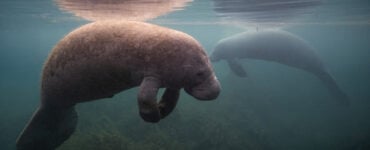
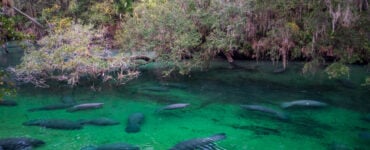
Miami Seaquarium, a facility that has housed marine mammals since 1956, has recently come under fire for violations found by the United States Department of Agriculture (USDA). Two manatees, Romeo and Juliet, both in their 60s, are set to be released from captivity with the help of the US Fish and Wildlife Service. The USDA had previously cited Miami Seaquarium for multiple violations.
Advocacy group Urgent Seas had released drone footage showing Romeo in a dirty and seemingly isolated pool, which led to increasing public scrutiny. In September, a damning USDA inspection report exposed various issues ranging from inadequate animal handling to disrepair of marine enclosures that had caused injury to animals.
Besides the manatee release, there has been increased attention towards the captivity of marine mammals like orca Lolita. Although plans were underway to release her, she passed away in August before she could be transferred. The documentary “Blackfish,” released in 2013, played a significant role in raising awareness about the consequences of keeping marine mammals in captivity.
In response to the USDA report, Miami Seaquarium is required to rectify the identified issues by December 15th. The US Fish and Wildlife Service is coordinating with rehabilitation experts to ensure that the relocation process for Romeo and Juliet goes smoothly. The focus is now on the well-being of these animals and the long-term impact of marine mammal captivity in aquariums.
Animal rights activists and various organizations, such as the US Fish and Wildlife Service, U.S. Department of Agriculture, and animal rights group Friends of Toki, have been heavily involved in shining a light on the deteriorating conditions of captive marine mammals at facilities like Miami Seaquarium.



Add comment